Glazed creosote removal in SE Wisconsin using safe, proven tools to restore chimney safety and draft. Learn what we use and why it works. Schedule service today with Elite Chimney.
What Is Glazed Creosote and Why It Matters
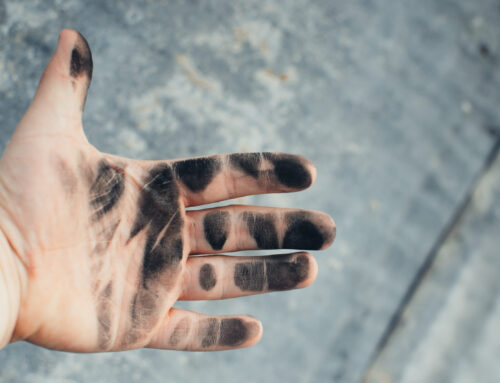
Creosote is the tar-like byproduct created when wood smoke cools on its way up the flue. Over time, it can harden into smooth, glassy layers known as glazed creosote. This glossy coating is stubborn, highly flammable, and resistant to normal chimney brushing. If you see shiny black deposits, experience strong smoky odors, or notice poor draft and smoky fires, there is a good chance your flue has glaze. Glazed creosote removal is a specialized process because this material clings tight to flue tiles and liners, creating serious fire risk.
Not all creosote is the same. Professionals often describe three stages. Stage 1 is light soot that brushes out easily. Stage 2 is flaky and crunchy, requiring more aggressive tools. Stage 3 is the glaze stage where the deposit becomes hard, shiny, and tar-like. This final stage acts like a fuel layer. If it ignites, a chimney fire can occur, which can crack tiles, damage masonry, and in severe cases spread to the home. That is why Elite Chimney takes glazed creosote removal seriously and uses methods that are proven to work without damaging your system.
Why Glaze Builds Up in SE Wisconsin and Lake County IL
Our region has a unique mix of weather and heating habits. Long, cold winters, lake effect moisture, and frequent temperature swings make flues cool fast. When the flue walls are cold, smoke condenses sooner and creosote forms faster. Add in modern airtight homes that limit air supply to the fire, and you get cooler, slower burns that generate more tar. Glazed creosote tends to build when wood is not fully seasoned or when fireplaces and stoves are burned at low, smoldering settings.
Common local contributors include oversized masonry flues attached to small inserts, uninsulated liners that stay cold, and damp wood stored outdoors. It is not unusual for Southeastern Wisconsin and Northeastern Illinois homeowners to burn evenings and weekends rather than full time. Short, low-temperature fires never get the flue warm enough to carry smoke out cleanly. Over the season, the result is a glazed layer that simple brush rods will not remove.
How Elite Chimney Diagnoses the Problem
Elite Chimney is a Certified Chimney Sweep company, and we follow the NFPA 211 inspection standard. Our team performs a thorough visual and camera inspection to confirm the presence and thickness of glaze. We document any cracks or gaps in the flue, check for missing mortar joints, and look for signs of past overheating. We also assess the burning setup, including fuel quality, appliance settings, flue size, and liner insulation.
Every glazed creosote removal job begins with a clear diagnosis. We want to know how much glaze is present, how it is layered, and whether the flue tiles or stainless liner have been affected. That information guides the selection of tools and treatments, so we remove the glaze efficiently and protect the chimney.
The Tools and Treatments We Use for Glazed Creosote Removal
Safety, Containment, and Cleanliness
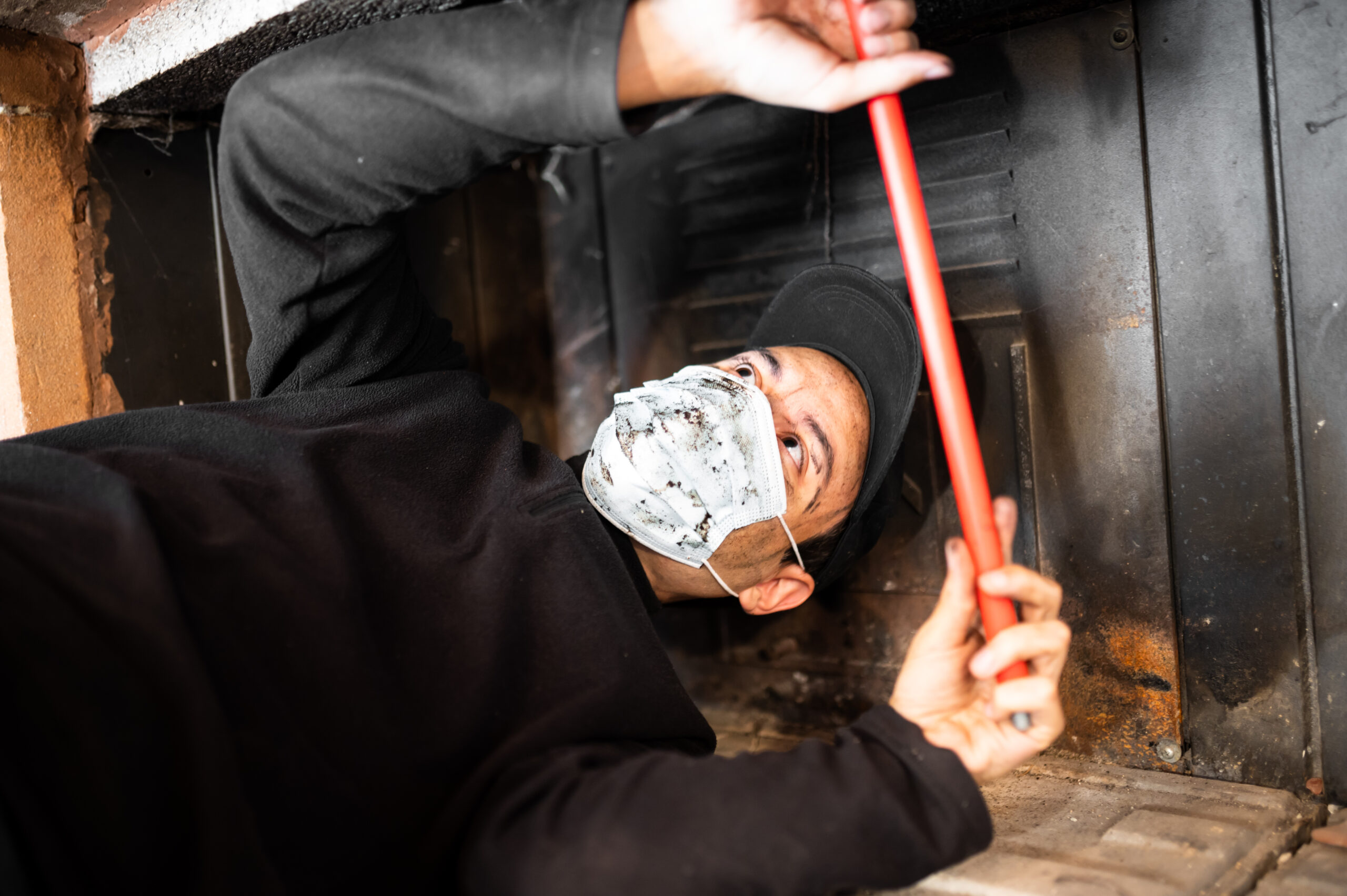
Before we do any work, Elite Chimney sets up containment. We lay clean drop cloths, seal off the firebox opening as needed, and use a HEPA filtration vacuum to capture soot and fine dust. This creates negative pressure at the fireplace so any loosened debris goes toward the vacuum instead of drifting into your living room. Our priority is a clean, safe workspace and a clean home when we are done.
Rotary Power Sweeping Systems
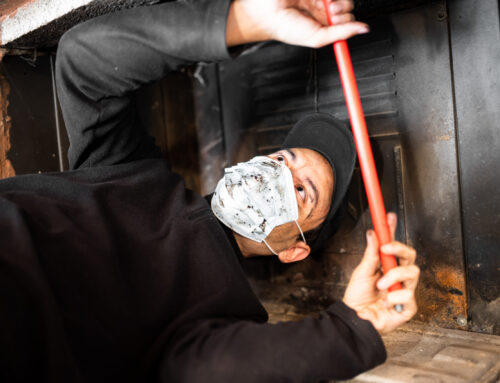
Mechanical brushing alone will not strip hardened glaze, but it is an important part of the process once the glaze has been softened or converted. We use flexible rotary rods paired with specialized heads that can reach every surface of the flue, including corners of square tiles and the full circumference of round liners. Rotary power sweeping provides even contact and consistent agitation so that converted glaze breaks free without scoring the liner.
Unlike aggressive chain whipping used on bare tile, we choose head types that match your flue material. For clay tiles with minor imperfections, we use brush heads designed to clean while protecting the surface. For stainless steel liners, we select nylon or other non-sparking heads that are gentle yet effective. The goal is to remove the deposit, not damage the flue.
Chemical Conversion Treatments
Glazed creosote removal often requires a chemical phase. Professional-grade catalytic treatments help break the glaze’s bond to the flue and convert it into a more brittle, brushable form. These are not household chimney logs. They are carefully applied products used by trained technicians. We apply them directly to the affected surfaces, focusing on thicker layers and areas with restricted draft.
Once applied, the product needs dwell time. It penetrates the glaze, neutralizes the sticky tar components, and changes the texture. Depending on temperature and deposit thickness, dwell time can range from one day to several days. After the conversion phase, mechanical removal with our rotary equipment becomes effective and safe for the flue.
Poultice Creosote Removal for Heavy Buildups
When glaze is thick and layered, Elite Chimney uses a poultice process. This involves applying a paste-like compound that draws the creosote out of the tile or liner as it cures. Once cured, we remove the poultice and the creosote together, followed by rotary sweeping to finish the job. Poultice removal works well on areas where glaze has soaked into surface pores, such as clay tiles that have been exposed to repeated overheating or where creosote has been compressed behind offsets.
Liner Repair and Relining When Needed
Glazed creosote can hide cracks and gaps in tile joints. After removal, if we find damaged tiles, missing mortar joints, or warping of a stainless liner, we will recommend repair or relining. Elite Chimney installs quality chimney liners sized to your appliance, and we can insulate liners to improve draft and reduce future creosote. Proper sizing and insulation help keep flue gases warm and moving, which is one of the best long-term protections against glaze returning.
Final Verification and Draft Check
We complete a post-cleaning camera scan to confirm the glaze is gone and the flue surfaces are clean. We also perform a draft check and inspect the cap, crown, and flashing to make sure there are no water intrusion issues. Water entry can cool flue walls and invite corrosive deposits, so stopping leaks is part of a complete solution.
What We Do Not Do
We do not recommend burning out creosote. Intentionally overheating a chimney to burn out glaze is unsafe and can cause immediate and severe damage. We also do not rely on consumer logs or powders as a standalone solution for glazed creosote. Those products may reduce odor or loosen light soot, but they do not resolve heavy glaze. Elite Chimney uses professional-grade treatments and tools, applied by certified technicians, because that is what removes glaze without risking your home.
Our Step-by-Step Glazed Creosote Removal Process
- Initial inspection and documentation using a chimney camera.
- Setup of containment, drop cloths, and HEPA vacuum for dust control.
- Application of catalytic or poultice treatment to targeted areas.
- Allow proper dwell time for conversion or curing, based on deposit thickness and temperature.
- Rotary power sweeping with matched heads to remove converted glaze.
- Secondary application in stubborn areas if needed, followed by a final sweep.
- Post-cleaning camera verification and draft assessment.
- Recommendations for repairs, relining, or system improvements if anything is found.
- Written report with photos for your records and insurance if applicable.
How Long Does It Take
Most jobs can be completed in one to two visits, depending on how much glaze is present and the chosen treatment. Catalytic applications may be completed in a single extended visit. Poultice methods usually require a return visit for removal and finishing. During our estimate, Elite Chimney will give you a realistic timeline based on what we see in your flue.
How to Prevent Glaze from Coming Back
After we remove glazed creosote, prevention is key. You can do a lot to reduce future buildup by making a few changes. Elite Chimney will tailor recommendations to your home, but these tips help most fireplaces and stoves in our climate.
- Burn only seasoned, split hardwood with moisture content below 20 percent. Wet wood makes cooler, smoky fires that create tar.
- Warm the flue at the start of a fire with a small kindling load to establish a strong, clean draft.
- Avoid long smoldering burns. Give the fire enough air to keep flames active and the flue warm.
- Use the right-sized flue or liner for your appliance. Oversized flues cool smoke too quickly.
- Consider an insulated stainless steel liner if your flue is on an exterior wall or is uninsulated.
- Install a quality chimney cap and keep the crown and flashing watertight to prevent cooling and corrosion.
- Schedule annual cleaning and inspection with Elite Chimney before the heating season.
Frequently Asked Questions
Is glazed creosote dangerous
Yes. Glazed creosote is highly flammable and resists normal cleaning. It increases the risk of chimney fires and can block airflow, which affects performance and safety.
Can I remove glaze myself
DIY tools and consumer products are not effective on heavy glaze and can damage the flue if used improperly. Glazed creosote removal should be done by a certified chimney sweep using proper treatments and rotary equipment.
Will chemical removal damage my chimney
The products Elite Chimney uses are designed for professional use and are applied according to manufacturer guidelines. Our goal is to soften or convert the glaze, then remove it mechanically without harming tile or stainless surfaces.
How do I know if I have glaze
Shiny, rock-hard deposits that resist a metal scraper are a sign of glaze. If you suspect glaze, schedule an inspection. Our camera will show exactly what is inside your flue.
What if my liner is damaged
If we uncover cracked tiles, missing mortar, or a compromised stainless liner, we will provide options. Elite Chimney installs new liners and can rebuild or reline your chimney to restore safety and performance.
Why Homeowners Choose Elite Chimney
Elite Chimney LLC is based in Kenosha and serves Southeastern Wisconsin and Northeastern Illinois. Our team is certified, experienced, and focused on proven methods that protect your home. We keep overhead low so we can offer competitive pricing without cutting corners on training or tools. From glazed creosote removal to full chimney rebuilding, you can count on clear communication, clean work, and reliable results.
Our Core Services
- Chimney cleaning and inspection to keep draft strong and safety high.
- Chimney liners that are properly sized and insulated for your appliance.
- Chimney leak repair to stop water damage and prevent future issues.
- Chimney caps and dampers to keep out rain, snow, animals, and debris.
- Chimney rebuilding and masonry restoration for aging or damaged systems.
- Gas fireplaces and gas log sets, including installation and maintenance.
- Fireplace refacing for a fresh look and better performance.
Where We Work in SE Wisconsin and NE Illinois
Elite Chimney proudly serves these areas with expert glazed creosote removal and full chimney service.
Wisconsin
- Kenosha County: Kenosha, Pleasant Prairie, Bristol, Salem, and surrounding communities.
- Racine County: Racine, Mount Pleasant, Waterford, and nearby areas.
Illinois
- Lake County: Zion, Waukegan, Gurnee, Lake Forest, Highland Park, Libertyville, and nearby cities.
What Makes Our Approach Work
Glazed creosote is tough because it is a hardened mixture of tar, oils, and carbon that chemically binds to the flue. Simple brushing skates over the surface. Elite Chimney uses a two-phase approach. First, we break the chemical bond with targeted treatments that convert the glaze to a brittle, ash-like material. Second, we remove it with rotary power sweeping that covers every inch of the flue. This combination works because it changes the deposit itself, then uses controlled mechanical action to lift it away without gouging or overheating the flue. By addressing both the chemistry and the mechanics, we get deep, lasting results.
Signs You Should Schedule Service Now
- Shiny, glassy deposits visible on the smoke shelf or flue walls.
- Strong campfire or tar odor in warm or humid weather.
- Smoke rollout or difficulty starting a fire without smoke in the room.
- Pieces of hard, shiny residue falling into the firebox.
- History of small chimney fires or very loud whooshing noises during a fire.
- It has been more than a year since your last professional sweep and inspection.
Schedule Glazed Creosote Removal With Elite Chimney
Do not let glaze put your home at risk. If you live in Kenosha, Racine, or Lake County Illinois, Elite Chimney is ready to help. We will inspect, document, and remove glazed creosote using the safest and most effective methods for your chimney system. You will get clear pricing, a clean workspace, and a detailed report when we are done.
Contact Elite Chimney today to schedule service or request an estimate.
- Address: 2100 82nd Street, Kenosha, WI 53143
- Phone: 262-358-4010
- Email: contact@elite-chimney.com
- Website: https://elite-chimney.com
Glazed creosote removal is not a job to put off. With the right tools and a certified team, you can restore your chimney’s draft, reduce odors, and protect your home from fire. Elite Chimney is your local partner for safe, effective, and affordable service. Book your appointment now so your fireplace or stove is ready for the season.