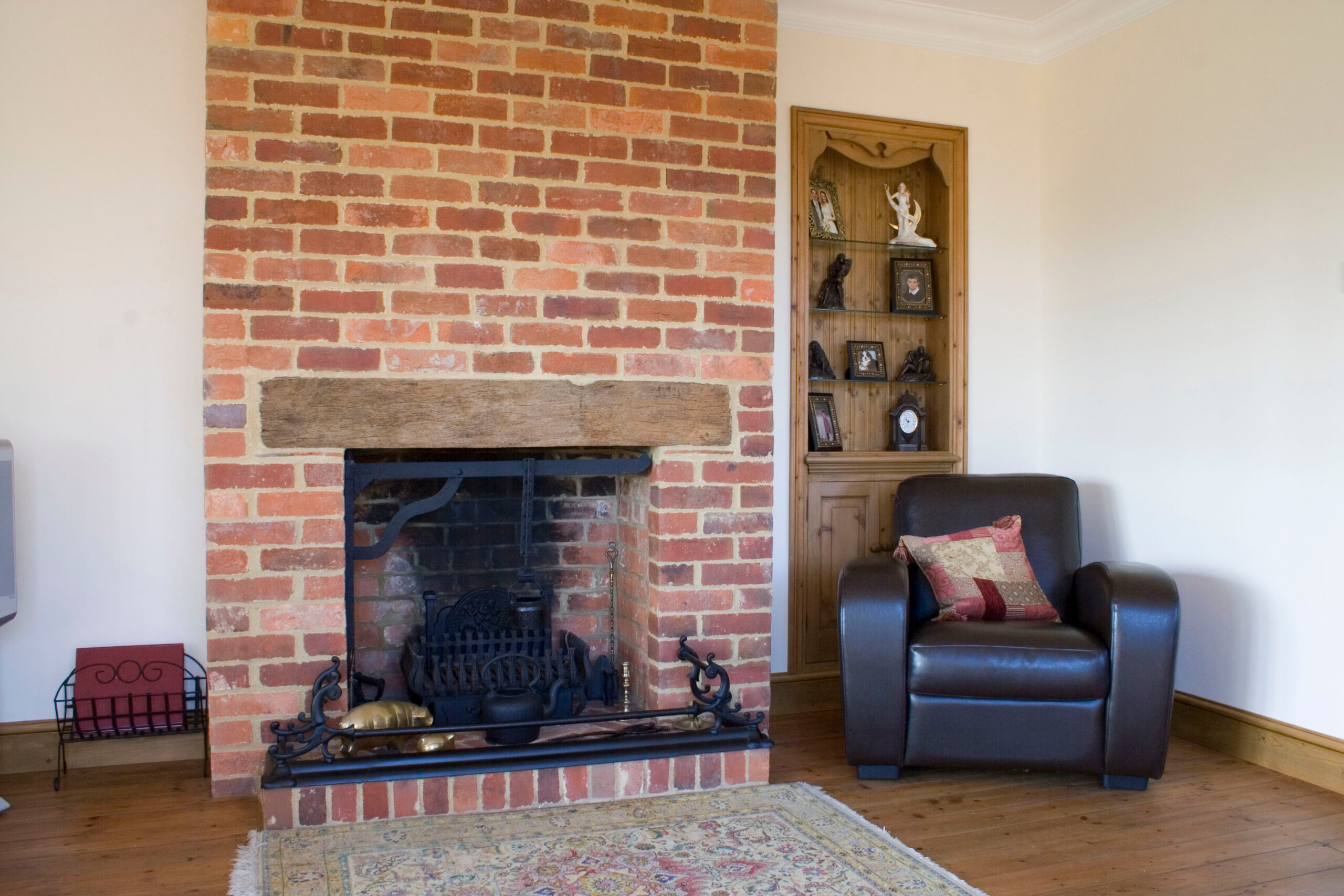
Orange Clay in the Firebox Means One Thing: Broken Chimney Flue Tiles
If you found orange or tan clay chunks in your firebox or on the smoke shelf, stop using your fireplace right away. Those pieces almost always come from the clay liner that lines the inside of your chimney. When a chimney’s terracotta liner breaks, the system can no longer contain heat, flames, or smoke the way it should. That puts your home and your family at risk. In this guide, the certified team at Elite Chimney explains what broken chimney flue tiles mean, why they are dangerous, what causes them, and how to fix the problem the right way.
Why Broken Chimney Flue Tiles Are So Dangerous
Clay liners are designed to be a protective tube inside your masonry chimney. When the tiles crack, chip, or fall out, your system loses that continuous protective barrier. The damage you can see in the firebox is usually only a small sign of what is happening higher up.
- Heat transfer to wood framing. Gaps and fractures let extreme heat reach nearby wood. This can dry out framing and start a fire.
- Chimney fires spread faster. Creosote can ignite and then jump through gaps to the brick structure or framing.
- Carbon monoxide leakage. Cracks allow exhaust to seep into living spaces. You may not smell it. A working CO alarm is a must.
- Smoke and soot staining. Leaks can push smoke into walls or rooms and cause dark stains and lingering odor.
- Moisture intrusion. Rain and snow can run through broken joints. That speeds up liner failure and damages masonry.
- Animals and debris entry. Missing tiles and an open flue can let critters and nesting materials block your chimney.
- Code and insurance issues. A damaged flue often fails safety standards. Many insurers will not cover losses linked to neglected chimney defects.
Common Signs You Have Broken Chimney Flue Tiles
Clay liner pieces in the firebox are a red flag, but they are not the only sign. Watch for these clues during and after fires.
- Orange shards or curved tile fragments in the firebox or ash pan
- Fine sandy orange dust on the smoke shelf
- A thudding or clinking sound in the chimney during a hot burn
- Strong smoky odor even when the damper is closed
- New staining on the masonry or walls near the fireplace
- Poor draft or more smoke rolling into the room than usual
Top Causes of Broken Chimney Flue Tiles
Your chimney works under tough conditions. Here are the most common reasons flue liners crack and shed pieces into the firebox.
- Thermal shock. Building a very hot fire in a cold chimney stresses clay tiles. Rapid heating and cooling cause cracks.
- Creosote fires. A flue fire can reach extreme temperatures in seconds. That can shatter tiles and melt mortar joints.
- Age and wear. Clay expands and contracts each burn season. Decades of cycles lead to fractures and missing mortar.
- Water damage. Rain, snow, and freeze-thaw cycles in Wisconsin and Illinois can widen hairline cracks and break corners.
- Chimney settling. Foundation shifts and minor movement at the roofline can separate tiles at the joints.
- Poor construction. Off-size tiles, bad mortar, or a liner with no room to expand can fail early.
- Acidic exhaust. Gas and oil appliances make acidic moisture that breaks down clay and mortar over time if the flue is oversized or unlined.
- Overfiring. Burning too much fuel or using scrap wood and cardboard creates intense heat and sudden spikes.
- Aggressive cleaning tools. Harsh chain whips or improper equipment can chip or loosen tiles during cleanings.
What To Do Right Now If You Find Orange Clay in the Firebox
The best move is to make the system safe, document what you see, and call a pro. Here is a simple plan.
- Stop using the fireplace. Let any remaining embers go cold and keep the damper closed once cool.
- Save the fragments. Place the clay pieces in a bag or box. Your sweep can use them to help pinpoint the issue.
- Take photos. Snap pictures of the firebox, damper area, and any orange dust. Document any wall stains or odors.
- Check alarms. Make sure your smoke alarms and CO detectors are working and have fresh batteries.
- Ventilate if needed. If you smell smoke or feel unwell, open windows and step outside until the air clears.
- Schedule a Level 2 inspection with video. Call Elite Chimney at 262-358-4010 for a full diagnostic scan.
- Do not attempt DIY repairs. Quick patches or sealants rarely hold. You could hide problems and increase risk.
How Elite Chimney Diagnoses Broken Chimney Flue Tiles
Elite Chimney is a Certified Chimney Sweep serving Southeastern Wisconsin and Northeastern Illinois. Our inspections follow strict standards so you get clear answers and proven solutions. When you call about broken chimney flue tiles, here is what you can expect.
- Exterior review. We check the crown, cap, flashing, and masonry for visible cracks, gaps, or staining.
- Interior review. We assess the firebox, smoke chamber, damper, and smoke shelf for spalling and missing mortar.
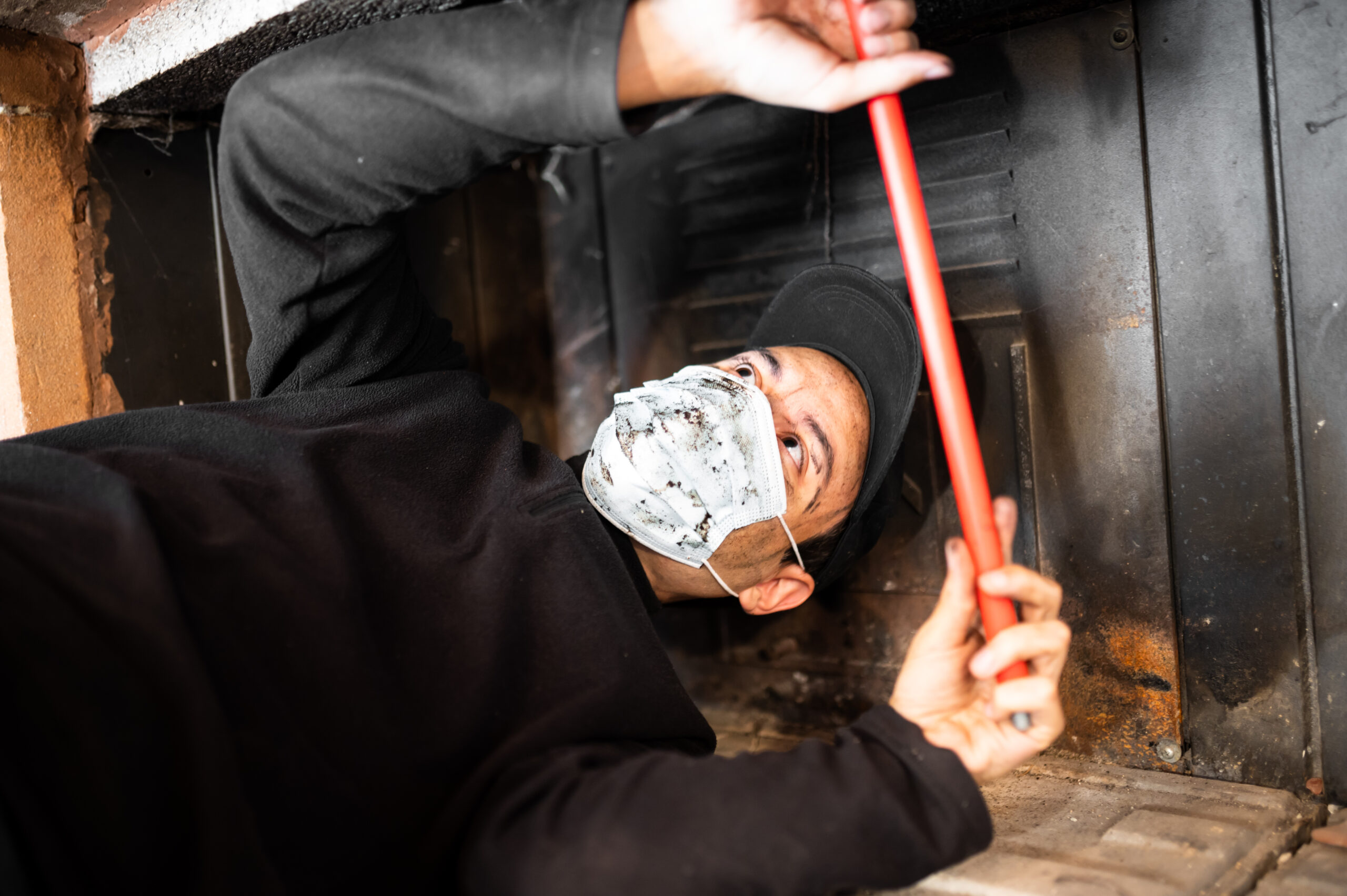
- Video scan. A specialized camera runs the full height of the flue to locate cracked tiles, voids, offsets, or blockages.
- Draft and clearance checks. We look for draft issues and measure clearances to combustibles where accessible.
- Moisture and leak assessment. We trace water paths that often speed up liner failure.
- Written report. You get photos or video stills, findings in plain language, and repair options with clear priorities.
Level 1 vs Level 2 vs Level 3 Inspections
A Level 1 inspection is a basic visual check during routine cleaning. A Level 2 inspection includes a full video scan of the flue and accessible areas and is the standard when there is known damage, a performance problem, or a property sale. A Level 3 inspection is more invasive and is only recommended if hidden hazards are suspected that cannot be confirmed any other way. For broken chimney flue tiles, a Level 2 inspection is the right starting point.
Safe Repair and Restoration Options
Not every chimney needs the same fix. The right solution depends on the fuel you burn, the condition of your masonry, and the level of damage found. Elite Chimney will match the repair to your system so you get a safe, efficient, and long-lasting result.
Stainless Steel Chimney Liners
A stainless steel liner often provides the best balance of safety, performance, and value. It creates a new continuous flue from the appliance or fireplace to the top of the chimney. When insulated and sized correctly, it improves draft, contains heat and sparks, and resists corrosion. Stainless works for wood, gas, and oil systems. Smooth interior options can reduce creosote buildup and make future cleanings easier. For many homes with broken chimney flue tiles, this is the most reliable fix.
Ceramic Resurfacing Systems
Some clay liners can be reinforced from the inside with a ceramic resurfacing material. This process fills cracks and gaps and can restore a continuous flue surface if the existing tiles are still structurally sound. It is not a good fit for severe damage, missing tiles, or large gaps, but it can be a safe and cost-effective choice in the right situation.
Cast-In-Place Liners
Cast-in-place systems form a new, reinforced masonry liner inside your chimney. The material is poured or pumped in around a form and cures into a strong, insulated flue. This method can stabilize older chimneys, improve structural strength, and handle unusual shapes or offsets. It is an excellent option when you want to preserve the masonry and still address broken chimney flue tiles.
Tile Replacement or Partial Rebuild
In some cases, the top few courses of tiles can be replaced, or a damaged section can be rebuilt. Full tile relining is often impractical due to access and safety concerns, but targeted repairs may be possible. Your Elite Chimney technician will explain when this makes sense and when a liner or cast solution is the safer route.
Smoke Chamber Parging and Firebox Repairs
While addressing the flue, we also evaluate the smoke chamber and firebox. Rough or corbelled smoke chambers can be smoothed and insulated with a high temperature parge coating to improve draft and reduce creosote. Firebox mortar joints and bricks can be repaired or rebuilt as needed. These details matter for safe operation and can extend the life of your new liner or resurfaced flue.
Moisture Control and Exterior Protection
Fixing broken chimney flue tiles without stopping water is only a half repair. We often recommend one or more upgrades to keep moisture out.
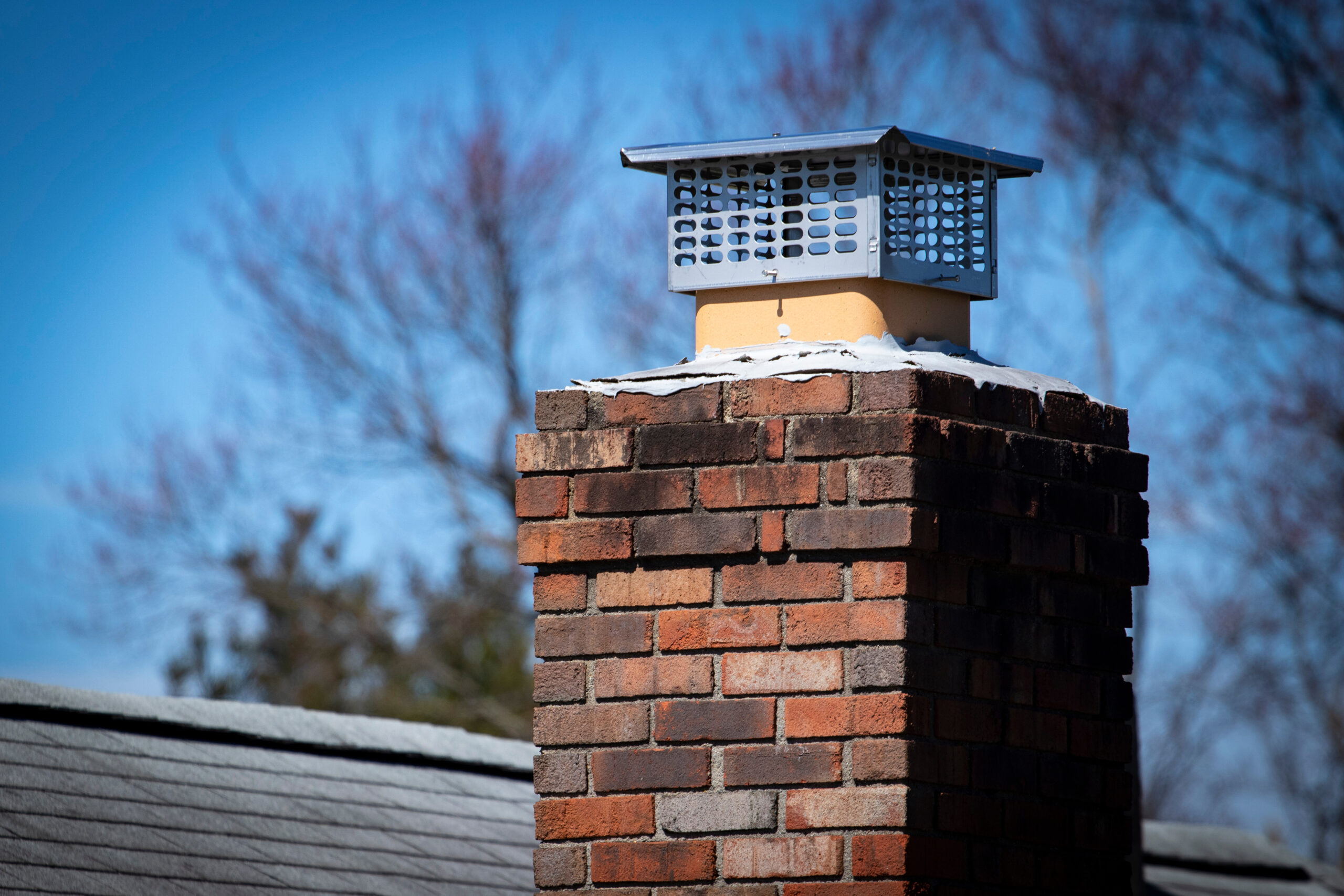
- Chimney cap and spark arrestor. Keeps rain, snow, animals, and debris out of the flue.
- Crown repair or rebuild. Seals the top of the chimney so water does not enter behind the liner.
- Flashing repair. Stops leaks at the roofline where the chimney meets shingles.
- Masonry waterproofing. Breathable treatments help prevent freeze-thaw damage while allowing moisture to escape.
What This Means for Wood, Gas, and Oil Appliances
Broken chimney flue tiles affect every fuel type, but the risks and fixes can differ.
- Wood fireplaces and stoves. Higher firebox temperatures and creosote buildup raise the chance of a flue fire. An insulated stainless steel liner is a top choice for safety and draft.
- Gas fireplaces and log sets. Gas burns cleaner but produces moisture and acidic exhaust. Oversized clay flues cool gases too fast, which increases condensation and corrosion. A properly sized liner improves performance and safety.
- Oil appliances. Oil exhaust is acidic. Clay tiles can fail early if the flue is not sized right. A corrosion-resistant liner is usually recommended.
Why Homeowners Choose Elite Chimney
Elite Chimney LLC is based in Kenosha, Wisconsin and serves Southeastern Wisconsin and Northeastern Illinois. Our certified chimney sweeps follow high industry standards and keep costs fair by minimizing overhead. When you hire Elite Chimney to solve broken chimney flue tiles, you get a partner focused on safety and clear communication.
- Certified Chimney Sweep. Training, standards, and safe practices on every job.
- Full video documentation. See what we see before and after repairs.
- Local expertise. We understand freeze-thaw damage, lake effect weather, and how Midwest winters stress chimneys.
- Right-sized solutions. We recommend the repair that fits your system and budget, not a one-size plan.
- Clean, respectful service. We protect your home during work and leave the space spotless.
- Competitive pricing. Elite Chimney keeps overhead low and passes savings on to you.
Our Services
Elite Chimney handles everything from routine cleaning to full rebuilds. If broken chimney flue tiles brought you here, these services are especially helpful.
- Chimney Cleaning and Inspection. Remove creosote and soot and catch issues early.
- Chimney Liners. Stainless steel, ceramic resurfacing, and cast-in-place options.
- Chimney Leaks. Diagnose and stop water entry before it ruins masonry.
- Chimney Caps and Dampers. Keep weather and animals out and improve efficiency.
- Chimney Rebuilding. Restore failing crowns, bricks, and mortar.
- Gas Fireplaces and Gas Log Sets. Installations and maintenance for steady, safe heat.
- Fireplace Refacing. Improve the look and function of your hearth.
Service Areas
Elite Chimney proudly serves homeowners across Southeastern Wisconsin and Northeastern Illinois.
- Wisconsin, Kenosha County. Kenosha, Pleasant Prairie, Bristol, Salem, and nearby communities.
- Wisconsin, Racine County. Racine, Mount Pleasant, Waterford, and surrounding areas.
- Illinois, Lake County. Zion, Waukegan, Gurnee, Lake Forest, Highland Park, Libertyville, and nearby cities.
Frequently Asked Questions About Broken Chimney Flue Tiles
- Can I burn a small fire if I just found a few tile pieces? No. Even a small fire can send heat and sparks through cracks to nearby wood. Stop using the system until it is inspected.
- Will a chimney cleaning fix this? Cleaning removes soot and creosote. It does not repair cracks, gaps, or missing tiles. You need an inspection and a repair plan.
- How urgent is this repair? Very urgent. Broken chimney flue tiles are a known fire and carbon monoxide risk. Schedule an inspection as soon as possible.
- Do gas fireplaces need liners if the clay is cracked? Often yes. Gas exhaust can corrode clay and mortar, especially in cold climates and oversized flues. A right-sized liner improves safety and performance.
- Is tile replacement cheaper than a stainless liner? Not usually. Tile replacement is labor heavy and limited by access. A new stainless liner is often the safest, most cost-effective solution.
- How long does a repair take? Many liner installations take one to two days once materials are ready. Complex masonry repairs can take longer. Your Elite Chimney tech will provide a timeline.
- Will insurance cover the repair? It depends on your policy and the cause. We can document findings for your records and provide photos and reports to support a claim.
Protect Your Home. Schedule a Chimney Inspection Today.
Finding orange clay in your firebox is not a small issue. Broken chimney flue tiles mean your system is no longer containing heat and exhaust the way it should. The safest move is to stop burning and schedule a professional inspection with video scanning. Elite Chimney is ready to help with honest advice, clear options, and expert repairs.
Call Elite Chimney at 262-358-4010, email contact@elite-chimney.com, or visit https://elite-chimney.com to book your appointment. Our team serves Kenosha, Racine, and communities across Southeastern Wisconsin, along with Lake County in Northeastern Illinois. From inspection to final cleanup, we are committed to your safety and satisfaction.
Company Information. Elite Chimney LLC, 2100 82nd Street, Kenosha, WI 53143. Certified Chimney Sweep. Expert service at a fair price.
Do not take chances with your fireplace or chimney. If you have broken chimney flue tiles, act now. One call to Elite Chimney can make your system safe, efficient, and ready for many more cozy nights at home.