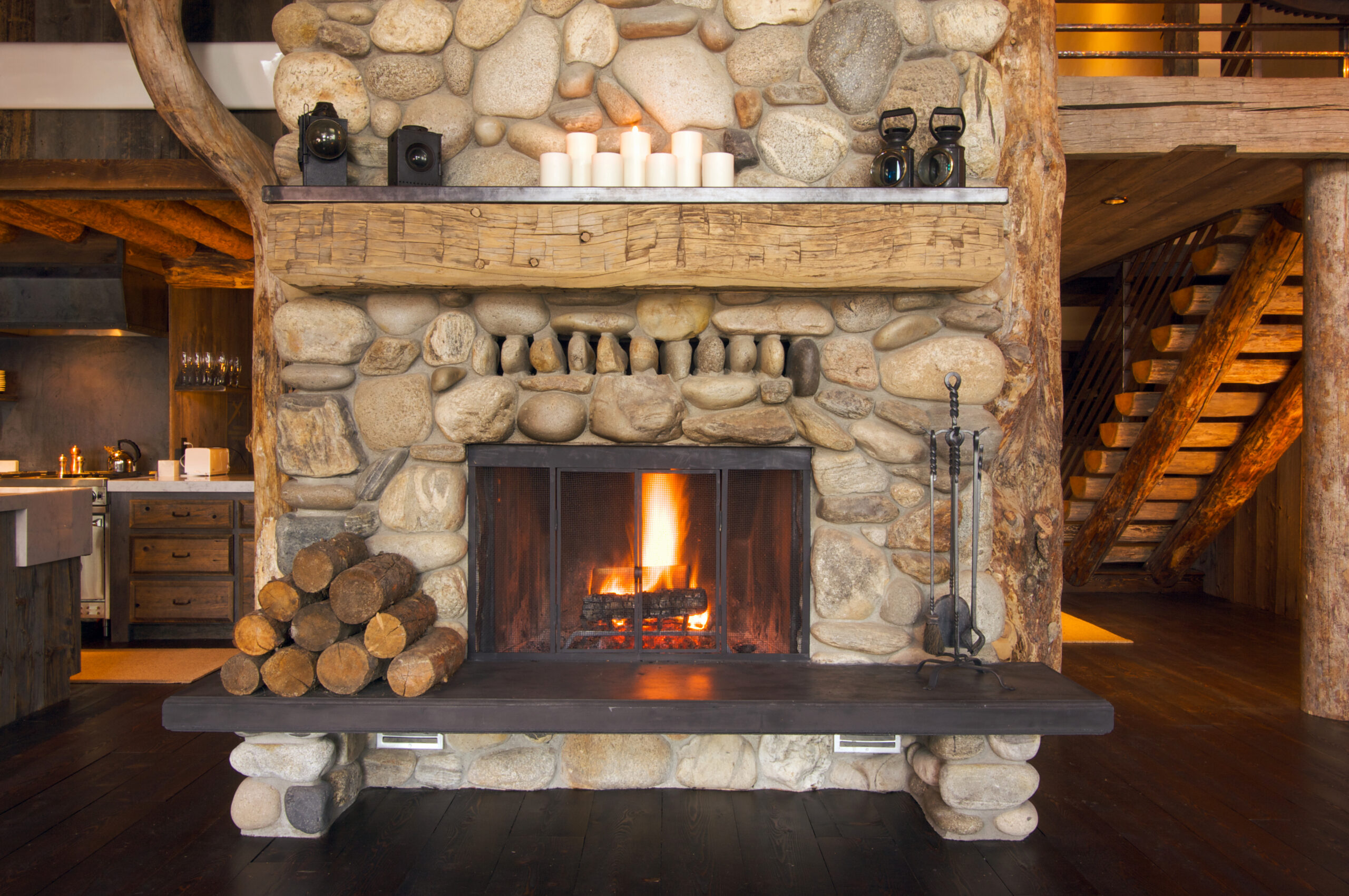
Why your fireplace might be leaking rain
If you hear that hollow drip from inside the firebox after a storm, it is not your imagination. A fireplace leaking rain is almost always a chimney leak somewhere between the top of the stack and the place where your chimney meets the roof. In Southeastern Wisconsin and Northeastern Illinois, our mix of wind, heavy spring rains, lake-effect snow, and freeze-thaw cycles can be hard on masonry, flashing, and metal components. Mortar hairline cracks widen in winter. Sealants separate. Rust starts where a tiny bit of water sits for too long. What begins as a small leak often becomes stained ceilings, crumbling brick faces, or a rusty damper that sticks when you actually want a cozy fire. The good news is this problem has clear causes and proven fixes. Once you understand where water tends to get in, you can take smart steps to stop the drip, protect your home, and avoid bigger repairs down the road.
The 3 places water sneaks past your roof and into the fireplace
1. Chimney cap, crown, and top-sealing damper problems
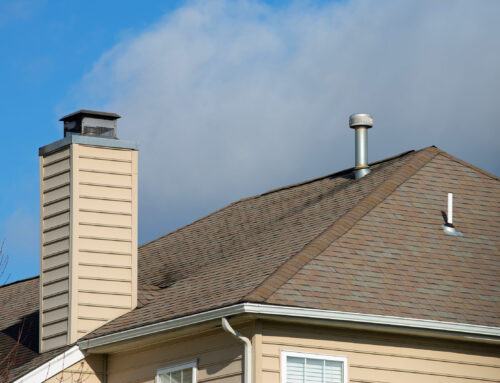
The very top of your chimney is your first line of defense against a fireplace leaking rain. There are two main parts here. The cap is the metal cover that keeps direct rain, animals, and debris out of the flue. The crown is the sloped concrete or mortar layer that sheds water off the top of a masonry chimney. Many homes also have or can benefit from a top-sealing damper that closes the flue at the top and helps block water and drafts when the fireplace is not in use.
When a cap is missing, too small, clogged with leaves, or rusted through, rain drops go straight down into the flue. If the crown is cracked, flat instead of sloped, or poorly bonded to the flue tile, water pools and seeps into small gaps. That leads to freeze-thaw damage and more cracking. A warped or damaged top-sealing damper can also let water in and trap moisture where it should drain. Many times, homeowners do not notice an issue until they hear dripping on the smoke shelf or see a rusty streak at the damper.
- What to look for from the ground: a crooked or missing cap, birds perching and dropping nesting material into the flue, or mortar chunks on the roof near the chimney.
- Common symptoms: musty odor after rain, flaking tile inside the throat, damp ash, or a damper that squeals and sticks.
- Risk if ignored: accelerated flue tile damage, rusted firebox parts, and in severe cases moisture that wicks into framing around the chimney.
2. Flashing where the chimney meets the roof
Flashing is the layered metal that seals the gap between your roof and the sides of the chimney. On a proper install, there is step flashing under the shingles and counterflashing embedded into the mortar joints. If either part lifts, rusts, or separates, water follows gravity and capillary action along the brick and roofing, then drops into the house. In windy storms, the uphill side of the chimney takes the brunt of the water. Homes with wide chimneys often need a small ridge called a cricket to split water and send it left and right. Without it, pounding rain pools and forces its way under flashing.
- What to look for: thin cracks in roofing cement, flashing that looks patched many times, or a wavy, oil-canning look to the metal.
- Common symptoms: water stains on the ceiling near the chimney, wet drywall on the wall below the roofline, or a slow drip only when wind hits a certain direction.
- Risk if ignored: hidden rot in roof sheathing, mold inside the wall cavity, and more costly roof repairs later.
3. Masonry leaks or a failed chase cover on factory-built chimneys
Bricks and mortar are porous. Over time, they absorb water, especially if they were never treated with a breathable water repellent. In our climate, that moisture freezes and expands, which causes spalling flakes on brick faces and crumbling mortar. Even if no single crack looks scary, slow absorption can push moisture into the fireplace and create a steady damp smell or drip. If you have a metal prefabricated chimney inside a wood-framed chase, the metal lid at the top is called a chase cover. Thin galvanized covers can rust through, pond water, and dump rain right into the chase and down to your fireplace.
- What to look for: white salty stains on brick called efflorescence, flaking or missing brick faces, moss on the shaded side, or a rusty streak down the chase.
- Common symptoms: wet spots at the baseboards near the chase, swollen trim, peeling paint or wallpaper around the fireplace, and rust on glass doors.
- Risk if ignored: loose bricks, a weakened chimney structure, wet insulation inside the chase, and early failure of the fireplace system.
Clear warning signs your chimney has a leak
A fireplace leaking rain shows up in more ways than a simple drip. Catching early clues is the best way to save money and protect your home.
- That hollow plink or drip on the smoke shelf or damper after rain.
- Damp, musty, or metallic smell in the firebox, even days after a storm.
- Rust on the damper, firebox, or glass door frames.
- Brown or yellow ceiling stains near the chimney or on the ceiling above the mantle.
- White efflorescence or dark green algae on the chimney exterior.
- Cracked or crumbling crown and missing mortar between bricks.
- Peeling paint or bubbled drywall near the fireplace.
- Soot that looks clumpy or sticks to damp walls inside the firebox.
Simple checks you can try before calling a pro
Safety first. Never climb on a roof if you are not trained, and do not reach into the flue if soot or creosote could fall. These basic checks can help you describe the problem when you call Elite Chimney.
- Use binoculars from the ground to look for a missing, tilted, or undersized chimney cap. Note any rust streaks.
- Open and close the damper. If it sticks, squeals, or shows orange rust, water is likely getting in from above.
- Shine a flashlight into the firebox and throat area. Look for damp soot, efflorescence on bricks, or flakes of tile on the smoke shelf.
- Check ceilings and walls around the chimney for new water stains or bubbling paint after a rainstorm.
- If you have a prefab chimney, step outside after rain and look at the chase cover. Pooled water or a sunken middle means it is due for replacement.
These checks are not a substitute for a chimney inspection, but they can speed up diagnosis and keep small issues from turning into costly repairs.
Professional fixes that stop a fireplace leaking rain
There is no single cure-all sealant or patch. The best repair depends on where the water gets in. Here are solutions Elite Chimney uses to fix leaks the right way.
- New stainless steel chimney cap sized to the flue. A quality cap keeps direct rain and animals out, sheds wind, and resists rust.
- Crown repair or rebuild. We resurface cracked crowns with specialized crown coating or rebuild with properly sloped, fiber-reinforced material that sheds water away from the flue.
- Top-sealing damper install. This adds a tight weather seal at the top, blocks downdrafts, and helps keep moisture out when the fireplace is not in use.
- Complete re-flashing. Proper step flashing and counterflashing tied into mortar joints stop capillary leaks and outlast troweled-on tar patches.
- Chimney cricket addition. On the uphill side of wide chimneys, a cricket splits heavy water flow and protects flashing.
- Tuckpointing and mortar joint repair. We remove soft mortar and install new joints that seal out water and restore strength.
- Breathable masonry waterproofing. A siloxane-based treatment lets vapor out while blocking liquid water from soaking in.
- Masonry rebuilds for severe spalling or structural damage.
- Stainless steel chase cover with cross breaks and a drip edge for prefab chimneys. This fixes ponding and sends water off the sides, not into the chase.
- Flue liner repair or relining when tiles are cracked or joints are missing, improving both safety and draft while helping manage condensation.
What to expect during an Elite Chimney leak inspection
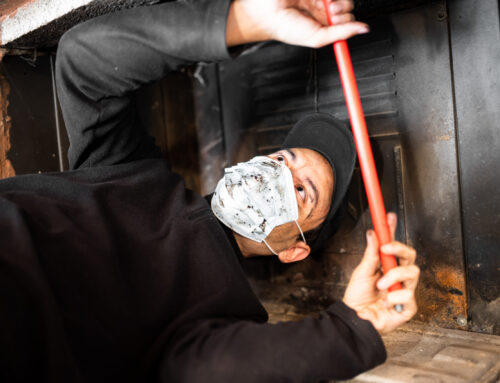
Elite Chimney treats every fireplace leaking rain as a full system issue, not an isolated patch. Our certified chimney sweeps follow industry standards to pinpoint the source and provide a plan that fits your home and budget.
- Interview and history. We ask when the leak happens, which storms trigger it, and what you have already seen or tried.
- Exterior assessment. We examine the cap, crown, masonry, flashing, and roof intersections. If needed, we check the need for a cricket.
- Interior assessment. We look at the firebox, damper, and smoke chamber, plus walls and ceilings nearby for moisture staining or mold.
- Camera inspection where appropriate to assess flue liner condition.
- Moisture readings and photos that document what we find.
- Written estimate with repair options, timelines, and maintenance tips to prevent future issues.
Why homeowners choose Elite Chimney
Elite Chimney LLC is based in Kenosha, Wisconsin, and serves Southeastern Wisconsin and Northeastern Illinois with expert chimney cleaning, leak repair, and restoration. Our team of certified chimney sweeps keeps overhead low so you get competitive pricing without cutting quality. We follow strict safety standards, show up on time, and clean up when we are done. When your fireplace is leaking rain, you want a partner who fixes the cause, not just the symptom.
Services we offer
- Chimney cleaning and inspection for safe, efficient performance.
- Chimney liners, installation and maintenance.
- Chimney leaks, diagnosis, repair, and prevention.
- Chimney caps and dampers, new installs and replacements.
- Chimney rebuilding and restoration.
- Gas fireplaces and gas log sets, installation and service.
- Fireplace refacing to refresh the look and function of your hearth.
Our service area
Elite Chimney serves homeowners across Southeastern Wisconsin and Northeastern Illinois.
Wisconsin
- Kenosha County, including Kenosha, Pleasant Prairie, Bristol, and Salem.
- Racine County, including Racine, Mount Pleasant, and Waterford.
Illinois
- Lake County, including Zion, Waukegan, Gurnee, Lake Forest, Highland Park, and Libertyville.
FAQ about a fireplace leaking rain
Is it normal to hear a drip after a storm?
No. A working chimney system should keep out direct rain. That hollow drip points to a problem at the cap, crown, flashing, or chase cover. It is a sign to schedule an inspection.
Can I just caulk the flashing or crown myself?
Caulk alone is a short-term fix and often fails after the next freeze-thaw cycle. Proper chimney flashing uses step and counterflashing, not surface tar. Crowns need the right materials, slope, and bond to the flue. DIY patches may hide the symptom and trap water where you cannot see it.
Why does my chimney only leak in wind-driven rain?
Wind changes how water hits the chimney and roof. It can push water up under loose flashing or drive it through small crown cracks. A missing cricket on the uphill side can also cause leaks that only appear during windy storms.
Will a new cap stop my fireplace from leaking rain?
Sometimes, but not always. A cap stops direct rainfall and keeps animals out, which is important. If flashing, mortar joints, or the crown are failing, water can still enter. A full inspection makes sure the real cause gets fixed.
How do I prevent chimney leaks long term?
Schedule a yearly inspection and cleaning, keep a quality stainless cap on the flue, repair crown cracks early, make sure flashing is in good shape, and ask about breathable waterproofing for masonry. In our climate, prevention saves money.
Seasonal checklist to stay ahead of leaks
Plan ahead and use this simple rhythm to avoid a fireplace leaking rain when the weather turns.
- Spring: Inspect after freeze-thaw season. Look for new cracks, spalling, or stains. Schedule repairs before summer storms.
- Summer: Handle tuckpointing, crown rebuilds, or re-flashing while weather is dry. Install a cricket if needed.
- Fall: Clean and inspect before burning season. Confirm cap and damper operate smoothly.
- Winter: Keep heavy snow from drifting against the uphill side of the chimney if you can do so safely. Watch for interior moisture signs after thaws.
Stop the drip with Elite Chimney
Do not let a fireplace leaking rain turn into stained ceilings, mold, and bigger repairs. Elite Chimney is ready to help with fast diagnosis and lasting solutions. Call 262-358-4010, email contact@elite-chimney.com, or visit https://elite-chimney.com to schedule your inspection. You can also stop by our office at 2100 82nd Street, Kenosha, WI 53143. We are a Certified Chimney Sweep and proud to serve Kenosha, Racine, and Lake County homeowners with honest guidance, quality materials, and careful workmanship.
If you hear the drip, smell a musty odor, or see rust or stains near your chimney, reach out today. The sooner we find the leak, the simpler the fix. Elite Chimney will help you protect your home, restore your fireplace, and enjoy a warm, dry hearth this season and beyond.