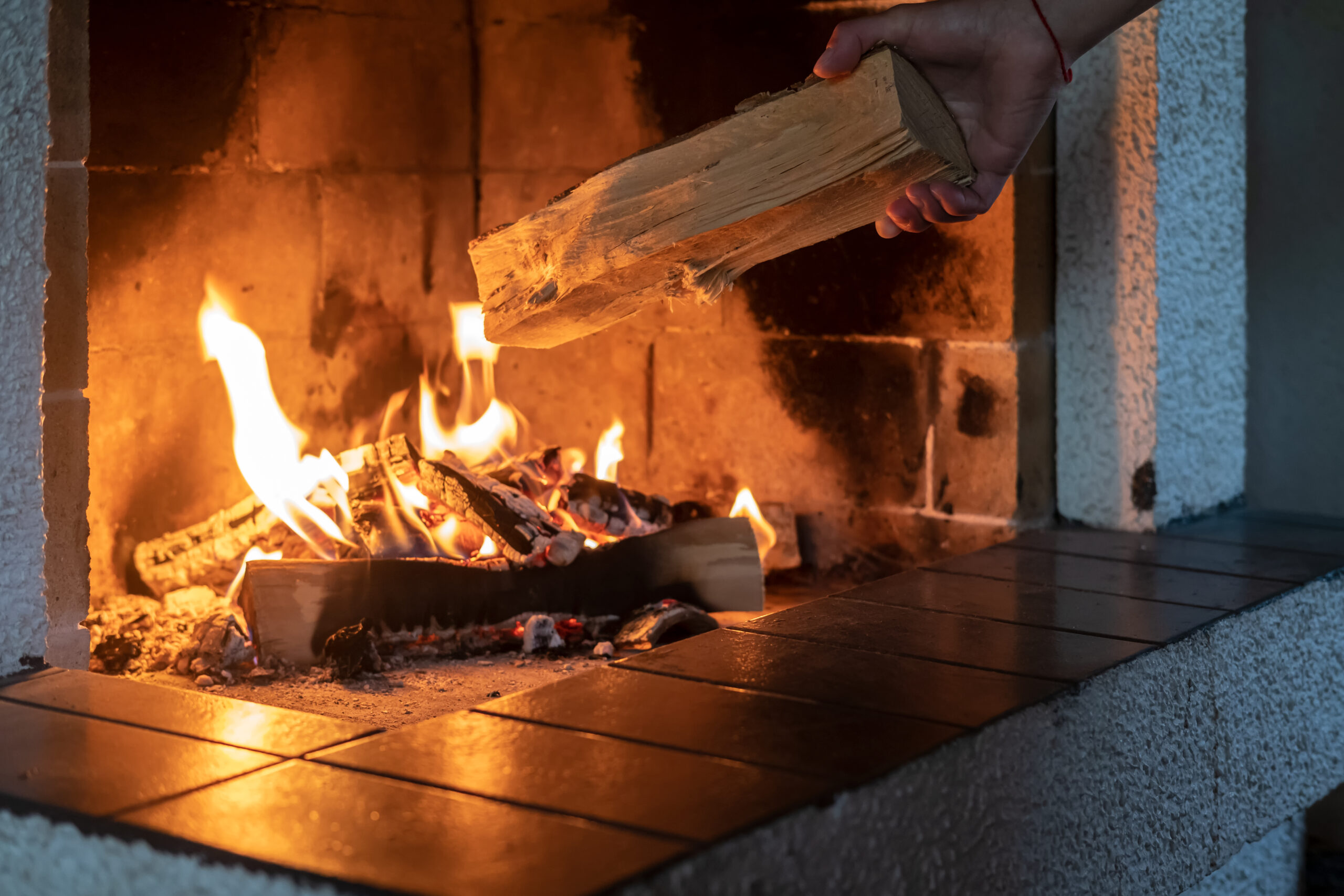
Why your fireplace is not drawing smoke up
If you are seeing fireplace smoke coming into house or smelling a smoky odor long after a fire goes out, you are dealing with a draft problem. Draft is the pressure difference that pulls air from the room, through the firebox, and up the chimney. When draft is weak or reversed, smoke spills into the living space instead of going outside. The tricky part is that more than one small issue can add up to a smoky fireplace. The good news is many causes are simple to check, and a few smart habits can solve the problem fast.
Common causes homeowners miss
A cold chimney flue
In Southeastern Wisconsin and Northeastern Illinois winters, chimneys get cold. A cold flue is heavier than the air in your home, so the chimney acts like a plug. When you light a fire, smoke hits that cold column and rolls back into the room. Preheating the flue before starting a fire usually fixes this. Hold a lit rolled-up newspaper near the damper for 30 to 60 seconds, or use a small starter fire of kindling to gently warm the flue. Once you feel the pull up the chimney, build your larger fire.
A closed or stuck damper
It sounds obvious, but it is common. A partially closed or rusted damper squeezes the exhaust path. If the handle is loose or the plate is warped, smoke will leak into the room. Look up with a flashlight to confirm the damper is fully open and moves smoothly. If the plate is broken, shifted, or missing, call a pro to repair or replace it. Elite Chimney often installs new top-sealing dampers that improve draft and reduce heat loss when the fireplace is not in use.
Negative pressure in a tight house
Modern homes are well sealed for energy savings. Kitchen exhaust fans, bath fans, and clothes dryers pull air out, which can force air to come back down the chimney. This is most noticeable when the HVAC system and fans run while you start a fire. Crack a nearby window an inch before lighting the fire to give the fireplace fresh air. If that solves it, consider adding a dedicated makeup air source or speak with Elite Chimney about a more permanent solution.
Competing vented appliances
A furnace, water heater, or another fireplace on the same level can steal the air your wood fire needs. If that other appliance vents into the same flue, it is a safety hazard. Each fuel-burning appliance must have its own proper venting. If you suspect crossed vents or notice smoke only when another appliance runs, stop using the fireplace and schedule a certified inspection with Elite Chimney.
Oversized or undersized chimney
Draft depends on the match between the fireplace opening and the flue size and height. A flue that is too wide slows smoke and cools it too fast. A flue that is too small chokes the flow. Builders sometimes change masonry dimensions or add glass doors without resizing the flue. A certified sweep can measure and confirm if a stainless steel liner is needed to right-size the vent and restore proper draft.
Blocked or dirty flue and creosote buildup
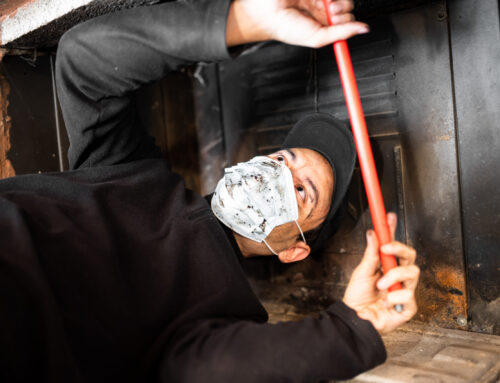
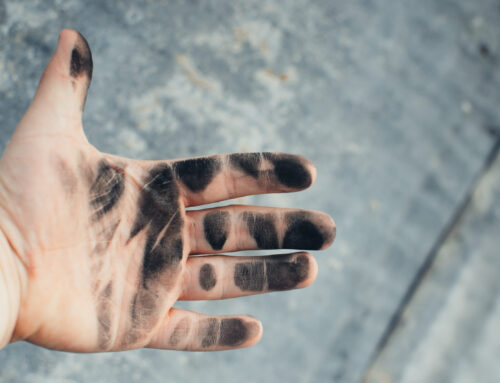
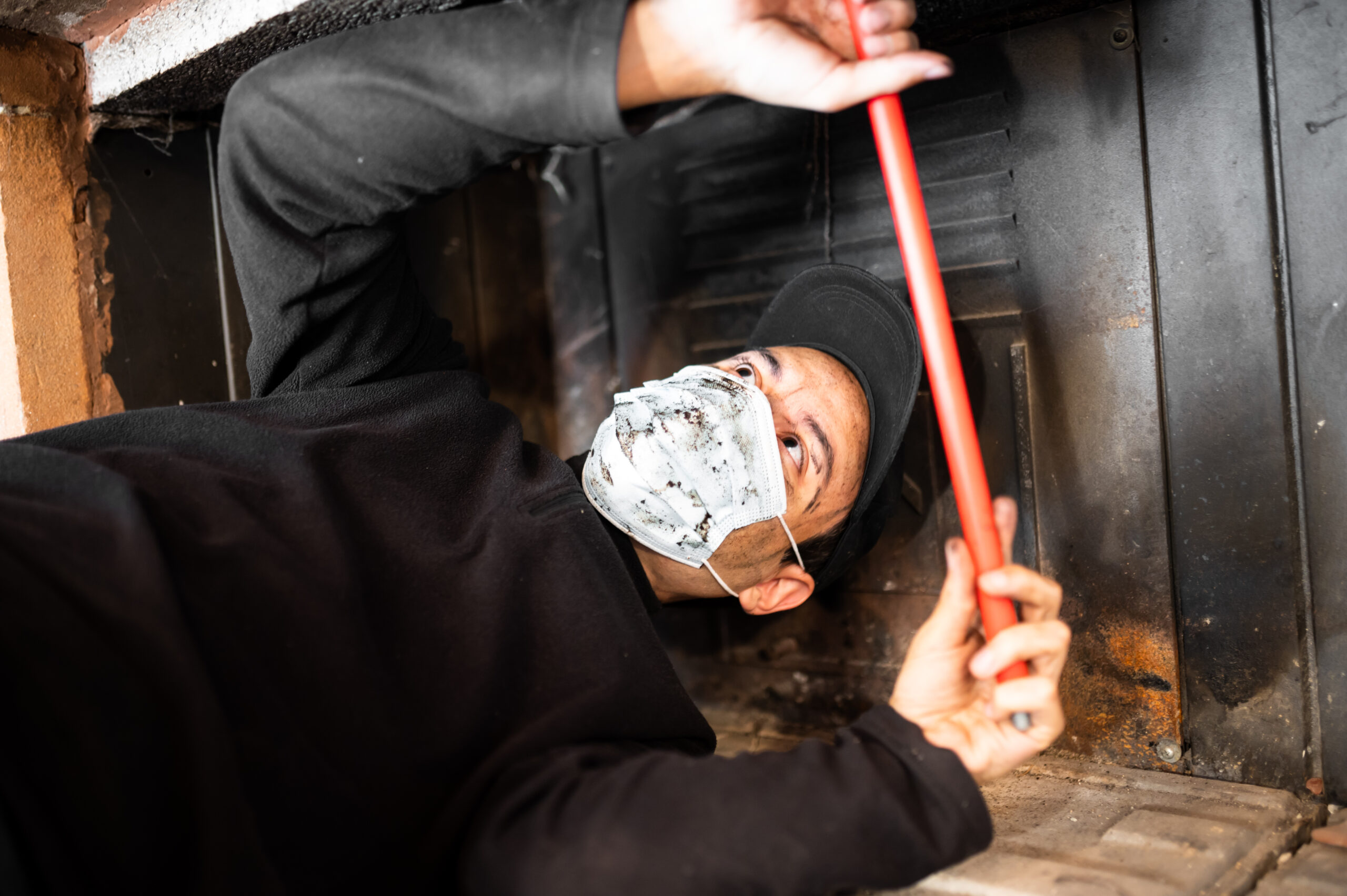
Soot and creosote narrow the chimney and roughen the surface, which slows exhaust and causes smoke to tumble back. A season of heavy burning can leave enough buildup to cause spillover. Birds’ nests or leaves can also block the top of the chimney. If you hear scrapes, smell a strong tar odor, or see black flakes falling, it is time for a cleaning. Elite Chimney performs thorough chimney cleaning and inspection to clear the flue and identify any damage that affects draft.
Wet or unseasoned firewood
Wet wood smokes a lot. Moisture in logs boils off first, stealing heat that should fuel the draft. The result is a cool, lazy fire that spills smoke. Use hardwood that has been split and seasoned for at least 6 to 12 months. Look for cracks on the ends, lighter weight, and a hollow sound when tapped. Moisture content should be below 20 percent. Store wood off the ground with a top cover but open sides for airflow.
Chimney cap, crown, and animal nests
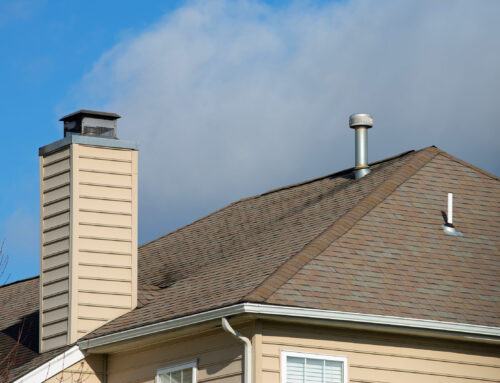
A missing or damaged chimney cap lets rain, leaves, and critters in. A cracked crown lets water soak the masonry, which can loosen tiles and mortar. Any of these problems can pin smoke at the top and push it back down. Elite Chimney installs caps and repairs crowns to keep your flue open and protected year round.
Wind and downdrafts from rooflines and trees
Lake Michigan winds and tall trees around Kenosha, Racine, and Lake County can shove air across a chimney top in a way that flips the airflow. Nearby taller structures, steep rooflines, or hills can create a wind eddy that pushes smoke down. A properly sized wind-resistant cap or increasing chimney height can reduce downdrafts. If you only get fireplace smoke coming into house on windy days, downdraft is a prime suspect.
Masonry leaks and liner gaps
Gaps in clay tiles, cracks in mortar joints, or a deteriorated liner allow cold outside air to mix with the hot flue gases. That cools the exhaust and kills draft. It also creates serious fire and carbon monoxide risks. A video inspection can spot gaps, and a new stainless steel liner can restore a smooth, safe path for smoke.
Short chimney height
Chimney height sets the stack effect that powers draft. A chimney that is too short compared to the roof or nearby features struggles to pull. Building codes give minimums, but local wind patterns and roof shapes matter. Adding one or two sections of flue or a taller cap can make a big difference. Elite Chimney can evaluate height relative to your roof for the best performance.
Fireplace design flaws
A shallow firebox, narrow throat, or poorly shaped smoke chamber can cause turbulence that sends smoke forward into the room. If smoke stains the brick above the opening, design is a likely issue. Smoke chamber parging, throat modifications, or installing a new insert with a matched liner are common fixes that Elite Chimney performs to improve draft and reduce smoke.
Quick checks and fixes you can try today
- Open the damper fully. Verify with a flashlight that the plate is all the way open.
- Preheat the flue. Roll up newspaper, light it, and hold it near the damper for 30 to 60 seconds before starting the fire.
- Crack a nearby window. Provide makeup air if your home is tight or fans are running.
- Turn off exhaust fans. Pause kitchen and bath fans and let the furnace blower rest while you start the fire.
- Build a top-down fire. Stack large logs at the bottom, then smaller splits, then kindling on top for a hotter, cleaner start.
- Use seasoned hardwood. Aim for wood below 20 percent moisture and avoid large green rounds.
- Warm the chimney with a small kindling fire first. Then add larger logs once draft is established.
- Check the chimney cap. Look for obvious blockages like leaves or nests from the ground with binoculars.
- Clean out ash. Keep about an inch of ash for insulation, but remove excess that chokes airflow.
- Confirm glass doors and screens are positioned correctly. Fully open them during start up to reduce turbulence.
Fire building techniques that reduce smoke
- Use the top-down method. It lights fast and keeps flames high, which strengthens draft.
- Split wood smaller for startup. Smaller pieces ignite quicker and raise flue temperature faster.
- Avoid smoldering. Add logs before the fire collapses into coals, and keep air controls open during startup.
- Place logs to the back of the firebox. This directs smoke and heat toward the flue opening.
- Start with clean, dry kindling. Think pencil-thin sticks and a few fire starters. Skip glossy paper and plastics.
When fireplace smoke coming into house is a safety risk
Any time smoke spills into your home, treat it as a safety warning. Smoke contains carbon monoxide and other toxins that can harm your family and your pets. If smoke fills the room or you get headaches, dizziness, or nausea, put out the fire and ventilate the space. Install and test carbon monoxide and smoke alarms on every level of your home, especially near sleeping areas. If smoke problems persist, stop using the fireplace until a certified sweep inspects it.
- Persistent smoke even with the damper open is a red flag.
- Strong creosote odor or black stains above the fireplace suggest heavy buildup.
- Whistling sounds or obvious drafts from the firebox can signal pressure issues.
- Cracked tiles, falling debris, or bird activity near the chimney require immediate attention.
Professional solutions from Elite Chimney
Elite Chimney LLC is your local certified chimney sweep, serving Kenosha, Pleasant Prairie, Bristol, Salem, Racine, Mount Pleasant, Waterford, and Lake County cities such as Zion, Waukegan, Gurnee, Lake Forest, Highland Park, and Libertyville. Our certified team follows high industry standards and keeps costs fair by avoiding unnecessary overhead. If you are fighting fireplace smoke coming into house, we can diagnose the cause and fix it the right way.
- Chimney cleaning and inspection. We remove creosote, check clearances, test dampers, and video-scan the flue for hidden damage.
- Chimney liners. We install stainless steel liners to correct size mismatches, repair gaps, and improve safety and draft.
- Chimney leaks. We locate and repair water entry points that cool your flue and weaken masonry.
- Chimney caps and dampers. We fit wind-resistant caps and top-sealing dampers that block downdrafts and keep debris and animals out.
- Chimney rebuilding. From tuckpointing to full rebuilds, we restore structure and performance on aging or damaged chimneys.
- Gas fireplaces and gas log sets. We install and service gas units that provide clean heat with proper venting and controls.
- Fireplace refacing. We update appearance and function, including smoke chamber parging and throat improvements to guide exhaust.
Seasonal checklist for Kenosha and Lake County homeowners
- Schedule a preseason chimney cleaning and inspection with Elite Chimney before peak winter use.
- Stock and test carbon monoxide and smoke alarms. Replace batteries and confirm expiration dates.
- Buy and store seasoned wood. Keep it covered on top and open on the sides for airflow.
- Check the chimney cap from the ground. Look for damage or signs of animals.
- Test the damper. Open and close it to confirm smooth movement and full opening.
- Dry-run the fireplace. Preheat the flue on a cool evening and confirm good draft before a big fire.
- Trim nearby branches that hang over or around the chimney to reduce wind eddies and debris.
- Review safe burning practices with the family. Keep combustibles clear of the hearth and use proper tools.
- Keep a metal ash bucket with a tight lid outdoors on a non-combustible surface.
- If you remodeled or installed new windows, have draft rechecked. Tighter homes may need makeup air solutions.
Frequently asked questions
Why does my fireplace smoke only when it is windy?
Wind can create pressure zones around your roof that push air down the chimney. If trees, a taller nearby building, or a steep roofline disrupt the airflow, downdrafts happen. A wind-resistant chimney cap or increasing chimney height often solves this. Elite Chimney can assess local wind patterns and recommend the right cap for your setup.
Why did my fireplace start smoking after a remodel or new windows?
Remodels and new windows tighten the home. Less natural air leakage means the fireplace competes with fans and appliances for air. The result is negative pressure and smoke spillage. Crack a window near the fireplace as a test. If smoke improves, consider a dedicated makeup air solution or adjustments to appliance venting. A professional evaluation can balance the system.
Can I use a fan to help draft?
A small fan that blows across the room toward the fireplace can help during startup, but it is not a cure. Never aim a fan directly into the firebox. If you rely on a fan every time, an underlying issue like a cold flue, blocked cap, or flue sizing mismatch likely needs a professional fix.
Are gas fireplaces affected by draft problems?
Yes. While sealed direct-vent gas units are less sensitive, vented gas logs in an open fireplace still need proper draft. If a gas fireplace sets off smoke alarms or leaves soot, stop using it and call a certified technician. Elite Chimney services gas fireplaces and can confirm correct venting and combustion.
How often should a chimney be cleaned?
For wood-burning fireplaces, the National Fire Protection Association recommends annual inspection and cleaning as needed. If you burn often or notice strong odors, black flakes, or slower draft, schedule sooner. In our climate, many homeowners benefit from a cleaning before winter and a quick check mid-season.
Stop smoke now with help from Elite Chimney
If you are tired of fireplace smoke coming into house, do not wait for the next cold snap to make it worse. Elite Chimney can inspect, clean, and repair your system so it burns hotter, cleaner, and safer. We serve Southeastern Wisconsin and Northeastern Illinois with certified sweeps, fair pricing, and friendly service.
Contact Elite Chimney LLC today for an appointment: Address: 2100 82nd Street, Kenosha, WI 53143. Phone: 262-358-4010. Email: contact@elite-chimney.com. Website: https://elite-chimney.com
Whether you need a quick chimney cleaning, a new liner, a wind-resistant cap, or a full rebuild, Elite Chimney has you covered. Get back to relaxing fires and clean indoor air with trusted local pros who put safety first.