Why Your Chimney Can Make or Break the Sale
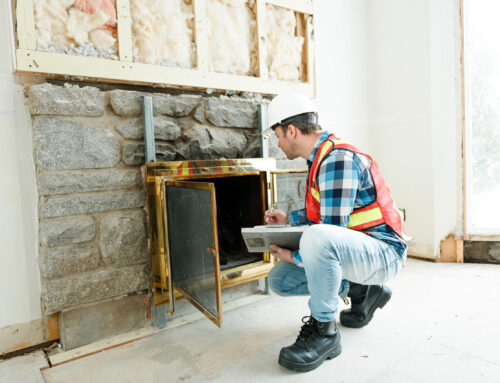
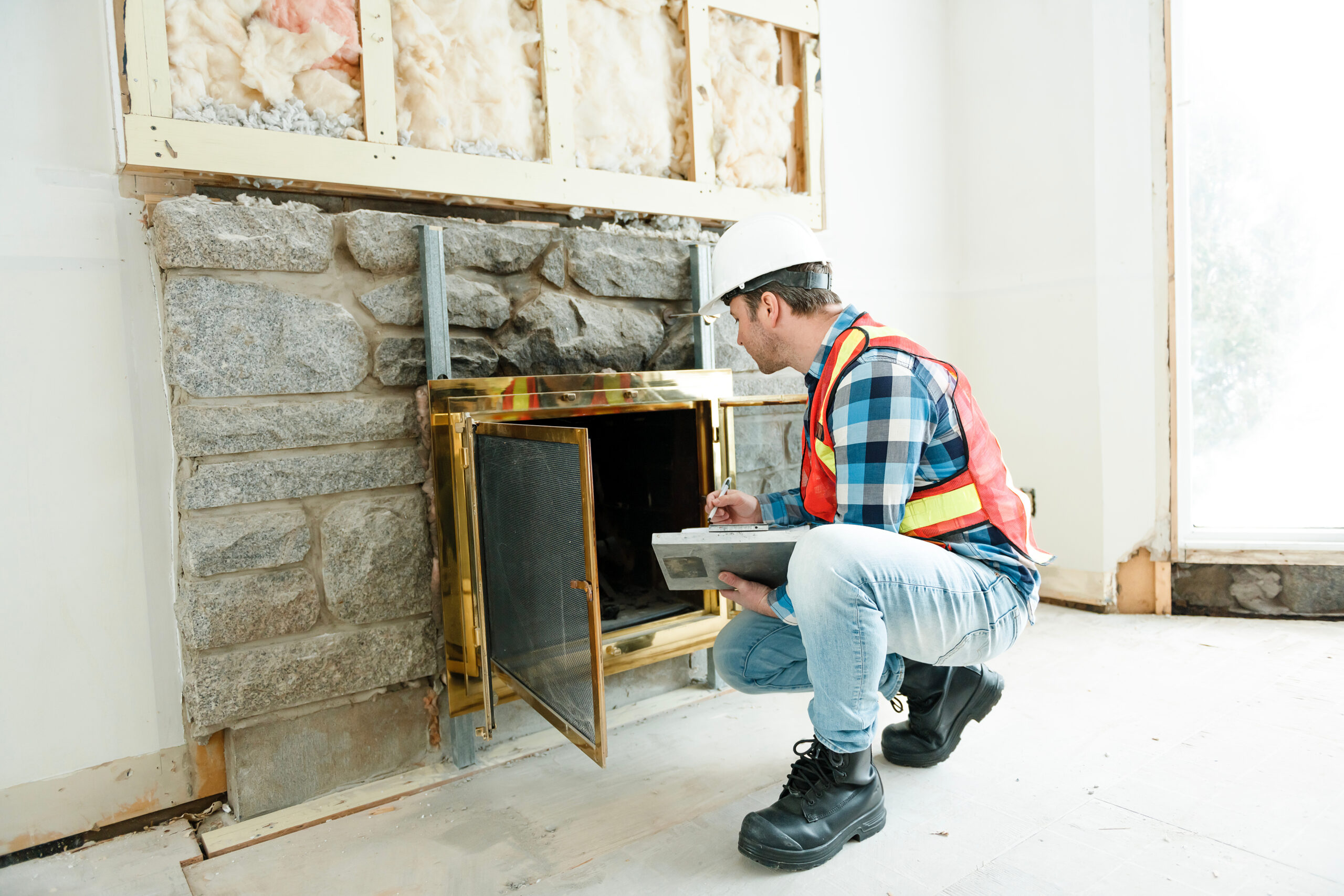
A fireplace is a top feature for many buyers, yet it is also one of the most common areas to fail a home inspection. Lenders and insurance companies want proof that chimneys and fireplaces are safe to use. If the inspector flags your chimney, your buyer may ask for repairs, request a credit, or walk away. Getting a professional chimney inspection for home sale before you list puts you in control and shortens negotiations. The certified chimney sweeps at Elite Chimney deliver clear reports, photos, and repair options so you know exactly where you stand.
Red Flag 1: Cracked or Missing Chimney Liner
The liner is the protective tube that carries smoke and gases from your fireplace or gas appliance to the outside. It shields nearby walls and framing from extreme heat and helps control creosote and moisture. Older homes often have clay tile liners. Many modern systems use stainless steel liners for better performance and safety.
Why this fails inspections:
- Cracks, gaps, or missing tiles allow heat and sparks to reach wood framing.
- Gaps collect creosote and increase the risk of a chimney fire.
- Unlined or deteriorated flues can leak carbon monoxide into living spaces.
What inspectors look for:
- Visible cracks or gaps in clay tiles.
- Corrosion or crushed spots in metal liners.
- Incorrect liner size for the appliance, which can affect draft and safety.
- Evidence of smoke damage or hot spots around the chimney chase.
How Elite Chimney fixes it: During a Level 2 chimney inspection for home sale, Elite Chimney uses a video camera to scan the full length of the flue. If the liner is damaged, we recommend the right solution for your fireplace or gas appliance. That can include stainless steel relining, clay tile repairs when possible, or a full reline for long term safety. A new, properly sized liner restores draft, reduces odors, and increases efficiency.
Red Flag 2: Excessive Creosote and Soot Buildup
Creosote is a byproduct of burning wood. It starts as a flaky residue and can harden into a thick, tar like glaze. Even gas fireplaces can leave deposits when venting is poor or there are drafting problems. A heavy coating of creosote restricts airflow and raises the chance of a chimney fire.
Why this fails inspections:
- Third degree creosote can ignite at lower temperatures and burn intensely.
- Thick deposits block flue gases and can push smoke and carbon monoxide into the home.
- Soot and debris signal neglect, which lowers buyer confidence.
Warning signs you might notice:
- Strong campfire or tar like odor, especially in humid weather.
- Black flakes falling into the firebox.
- Smoke spilling into the room when you start a fire.
- Oily black stains on the chimney cap or crown.
How Elite Chimney solves it: Our certified sweeps use professional grade brushes and tools to remove creosote without damaging your flue. We check your firewood seasoning, damper function, and air supply to correct draft issues. For sellers, getting a thorough cleaning and a documented inspection is one of the fastest ways to pass a chimney inspection for home sale. For buyers, a clean and safe system sets you up for years of worry free use.
Red Flag 3: Damaged Masonry, Crown, or Mortar Joints
Water and freezing temperatures are tough on brick and mortar. When cracks form, water seeps in and expands as it freezes. This leads to spalling bricks, missing mortar, and a crumbling crown. Over time the chimney can lean, leak, or fail.
Why this fails inspections:
- Loose bricks and missing mortar compromise structural stability.
- Cracked crowns allow water to enter the flue and walls.
- Moisture problems lead to mold, odor, and interior damage.
What to look for before you list:
- Flaking brick surfaces or chunks missing near the top of the chimney.
- Gaps where mortar used to be, especially on the exterior joints.
- Hairline cracks in the crown that widen with weather changes.
- Water stains on ceilings or walls near the chimney chase.
How Elite Chimney repairs it: We tuckpoint missing mortar, rebuild damaged sections, and install a proper concrete crown with a drip edge to direct water away. We can apply waterproofing that allows the masonry to breathe while keeping moisture out. If your chimney is severely compromised, Elite Chimney offers chimney rebuilding services to restore full strength. A stable, dry chimney is a major factor in passing a chimney inspection for home sale and protecting your investment.
Red Flag 4: Missing or Failing Chimney Cap, Chase Cover, or Damper
The cap, chase cover, and damper are small parts with a big job. They keep out rain, snow, leaves, and animals. They also control airflow when your fireplace is in use or shut down. When these parts are damaged or missing, water gets in, heat escapes, and pests take over.
Why this fails inspections:
- No cap allows direct water entry, which accelerates liner and masonry damage.
- Rusty or loose chase covers on factory built chimneys leak and stain siding.
- A broken or stuck damper causes smoke problems and energy loss.
- Animal nests in the flue create blockages and a fire hazard.
Solutions from Elite Chimney: We install stainless steel caps that resist rust and have spark arrestor mesh. For prefabricated systems, we replace failing chase covers with custom fitted stainless covers that shed water. We also install and service top sealing dampers that improve draft when open and seal tightly when closed. These upgrades are simple, affordable, and often the difference between failing and passing a chimney inspection for home sale.
Bonus Issues That Often Trip Up a Home Inspection
- Improper hearth or mantel clearances that put nearby materials at risk.
- Gas log sets installed without a proper flue check or ventilation review.
- Incompatible appliances sharing one flue, which can send exhaust back into the home.
- Stains around the firebox that hint at smoke spillage or drafting issues.
- Lack of carbon monoxide and smoke detectors near sleeping areas.
Elite Chimney evaluates these details during an inspection and includes clear notes and photos in your report, which helps speed up approvals during a sale.
What a Proper Chimney Inspection for Home Sale Includes
For real estate transactions, the industry standard is a Level 2 inspection. It is more thorough than a basic check and is recommended whenever a property changes hands. Here is what you can expect when you schedule with Elite Chimney:
- Full video scan of the flue to identify cracks, gaps, and obstructions.
- Roof level review of the crown, cap, flashing, and masonry or chase cover.
- Inspection of accessible areas in attics, utility rooms, and basements where the chimney passes through.
- Verification that the liner size matches the appliance and fuel type.
- Check of the firebox, smoke chamber, damper, and ash dump where applicable.
- Written report with photos, repair recommendations, and maintenance tips.
Ordering a Level 2 chimney inspection for home sale gives buyers confidence and helps sellers avoid price reductions late in the process.
How Sellers Can Get Ahead Before Listing
A little preparation prevents delays and keeps your deal on track. Use this simple checklist:
- Schedule a Level 2 chimney inspection for home sale with Elite Chimney at least a few weeks before listing.
- Get a professional cleaning if it has been more than a year since your last sweep.
- Gather service records, permits, and any past repair invoices to show buyers.
- Replace missing caps and fix minor issues like stuck dampers right away.
- Use seasoned firewood only, and avoid running unvented heaters in the fireplace cavity.
- Check ceilings and walls near the chimney for stains and schedule leak repairs if needed.
These steps help your agent market the home as move in ready and reduce inspection back and forth.
Tips for Buyers During Your Contingency Period
Protect your purchase with a few smart moves:
- Make a Level 2 chimney inspection for home sale part of your offer.
- Ask for the full report with photos and a copy of any video scan.
- Request that a Certified Chimney Sweep, not a general home inspector, evaluate the system.
- Negotiate repairs or a fair credit based on written estimates from companies like Elite Chimney.
- Confirm that any gas appliances tied to the chimney are vented correctly.
These steps help ensure you are not taking on hidden risks after closing.
Why Choose Elite Chimney
Elite Chimney LLC is a professional chimney cleaning and repair company based in Kenosha, Wisconsin. We serve Southeastern Wisconsin and Northeastern Illinois with expert service at competitive prices. Our certified chimney sweeps follow high industry standards for safety and quality. When you need a chimney inspection for home sale, we provide straight answers, clear reports, and reliable repairs.
Services Offered by Elite Chimney
- Chimney Cleaning and Inspection
- Chimney Liners
- Chimney Leaks
- Chimney Caps and Dampers
- Chimney Rebuilding
- Gas Fireplaces and Gas Log Sets
- Fireplace Refacing
Where We Work
Elite Chimney serves homeowners across Southeastern Wisconsin and Northeastern Illinois.
- Kenosha County Wisconsin: Kenosha, Pleasant Prairie, Bristol, Salem, and nearby areas
- Racine County Wisconsin: Racine, Mount Pleasant, Waterford, and more
- Lake County Illinois: Zion, Waukegan, Gurnee, Lake Forest, Highland Park, Libertyville, and surrounding cities
We are proud to be a Certified Chimney Sweep company. That means our technicians maintain training and follow proven methods for inspection and repair. We keep overhead low and focus on value so you get expert work without inflated costs.
Frequently Asked Questions
How often should I have my chimney cleaned?
Most wood burning systems need cleaning once a year or when creosote buildup reaches a noticeable level. If you use your fireplace often, clean it more frequently. Gas systems should be inspected annually to confirm proper venting and to check for blockages.
Is a Level 2 inspection required for a home sale?
It is the recommended standard during a sale or transfer of property. Many real estate agents and insurance carriers expect it because it includes a video scan and checks concealed areas. A Level 2 chimney inspection for home sale helps all parties make informed decisions.
Can I pass an inspection without a chimney cap?
Often not. A missing cap allows water, animals, and debris into the flue. Inspectors typically flag this because it leads to expensive damage. A new stainless steel cap is a quick, cost effective fix.
What is the difference between a damper and a cap?
The damper is inside or at the top of the chimney and controls airflow when you use the fireplace. The cap sits above the flue opening and keeps out weather and pests. Both are important for safety and energy efficiency.
Do gas fireplaces need inspections too?
Yes. Gas appliances can produce moisture and corrosive byproducts. If the venting is undersized, blocked, or corroded, you could face performance issues or safety risks. Elite Chimney inspects and services gas fireplaces and gas log sets to keep them running safely.
Schedule Your Chimney Inspection for Home Sale Today
Do not let a fireplace problem delay closing. Elite Chimney provides thorough inspections, clear reports, and reliable repairs for sellers and buyers. Call 262-358-4010, email contact@elite-chimney.com, or visit https://elite-chimney.com to book your appointment. Our office is at 2100 82nd Street, Kenosha, WI 53143, and we serve Kenosha County, Racine County, and Lake County. If you need a fast, accurate chimney inspection for home sale, our certified team is ready to help.
From relining to rebuilding, from caps and dampers to leak repairs, Elite Chimney delivers solutions that satisfy inspectors and keep your home safe. Get ahead of problems, protect your deal, and enjoy the peace of mind that comes with a clean, well maintained fireplace.