Introduction: Why a DIY Sweep Can Backfire
DIY chimney cleaning risks: Learn why fireplaces can perform worse after a DIY sweep and how to avoid damage, hazards, and costly fixes. Get expert tips now. Many homeowners try a quick chimney sweep to save money or cross a task off the list before the heating season. Sometimes the fire burns colder afterward. Smoke may spill into the room, or a musty odor creeps in. If that sounds familiar, you are not alone. DIY chimney cleaning risks are real, and a rushed or incomplete job can make a fireplace work worse than before. In this guide, Elite Chimney explains what can go wrong, what to watch for, and how to get safe, lasting results.
What Happens Inside Your Chimney During a Fire
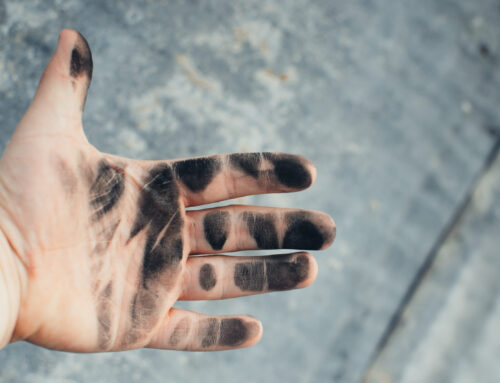
A healthy fireplace is a simple system that relies on clean pathways and steady airflow. Wood burns in the firebox, hot gases rise through the throat and smoke chamber, then exit through the flue and chimney cap. As the smoke cools, vapors condense on the walls and form creosote. Creosote can be fluffy, crunchy, or hard and shiny. The hard glazed type is tough to remove and increases the risk of a chimney fire. Even gas fireplaces create deposits, though usually far less. Any restriction or rough surface inside the flue reduces draft and makes the system work harder. Cleaning is important, but how you clean matters just as much as how often.
Common DIY Chimney Cleaning Risks That Make Performance Worse
Using the wrong brush size or method
One of the top DIY chimney cleaning risks is using a brush that does not match the flue. A brush that is too small will glide over creosote and leave a slick film that continues to choke the draft. A brush that is too large can jam or crack tiles. Clay tile flues often need a rigid poly brush sized to the exact inner dimensions. Stainless steel liners often need a different material to avoid scratching. Many homeowners also mix up top down and bottom up methods. Pushing heavy deposits downward without a plan can create a dense pile in the smoke shelf and block the throat. That can lead to smoke rollouts the very next fire.
Missing critical areas
It is easy to scrub what you can see and miss what matters most. The smoke shelf is a common hotspot for fallen soot and bird debris. The smoke chamber above the damper often narrows and has ledges that trap creosote. The damper itself can collect sticky deposits and fail to open fully. For wood stoves and inserts, the baffle, secondary air tubes, and connector pipe all need attention. Gas units have burners, pilot assemblies, and logs that must be cleaned correctly. If any one of these areas is skipped, airflow drops and the fireplace performs worse even though the main flue looks cleaner.
Glazed creosote hardening after improper cleaning
Another common problem is turning a manageable deposit into a stubborn glaze. Aggressive scraping without the right tools can smear stage 2 creosote into a shiny glaze that resists normal brushing. Some chemical products claim to dissolve heavy creosote. Used wrong, they can spread residue and damage metal parts. Once glaze forms, it can require specialized rotary tools or treatment plans to reduce it safely. If glaze remains, the fireplace will draft poorly and be more likely to spark a chimney fire.
Loosened debris that blocks airflow
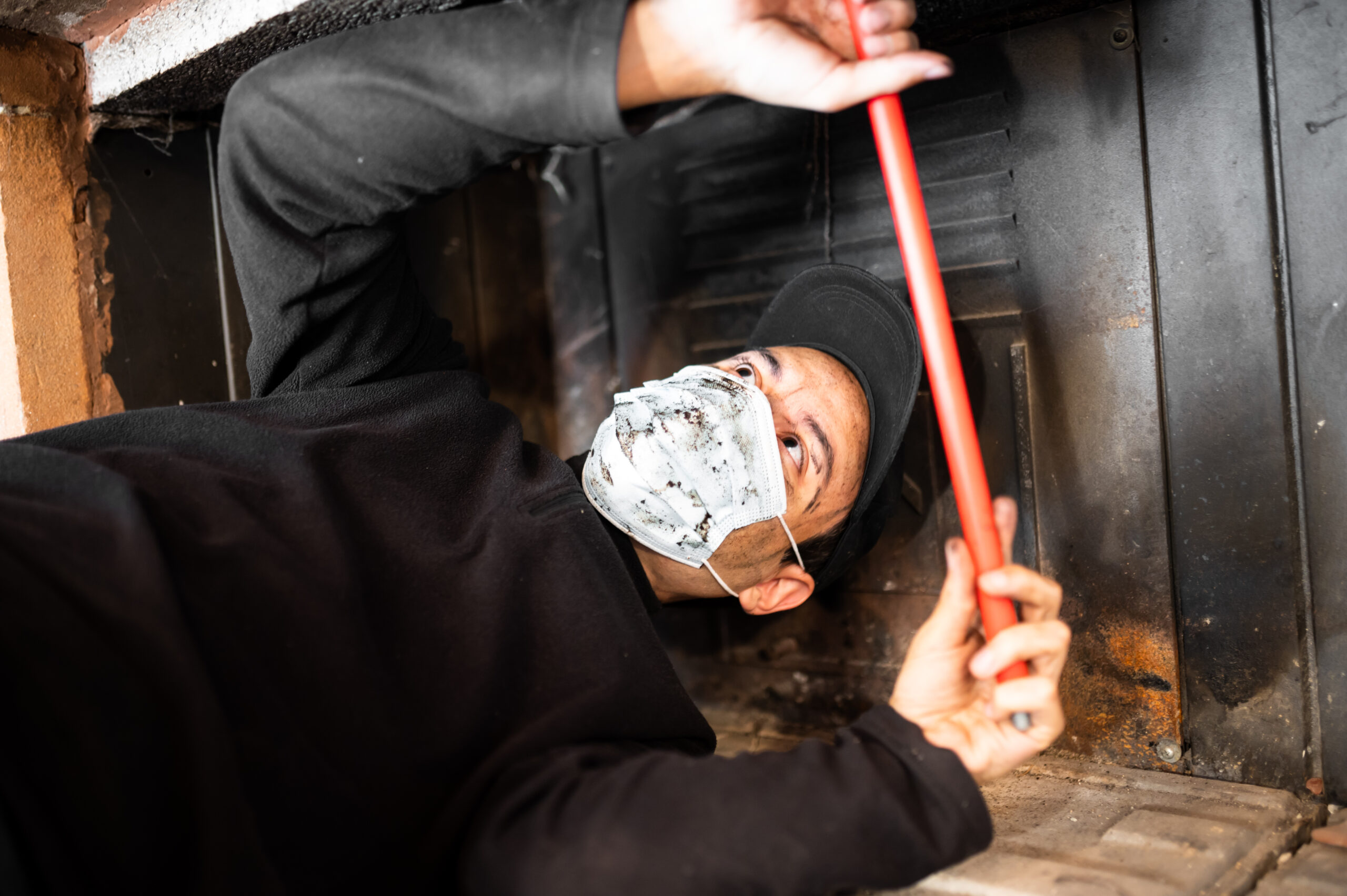
DIY cleaning can break loose chunks of soot or tile. If those chunks land in offsets, elbows, or a narrow smoke chamber, they act like a valve that restricts air just when the fire needs a strong draft. In many cases, the homeowner cannot see the blockage from the top or bottom. The first sign is smoke spilling into the room or a roaring sound as a hot fire tries to pull air through a small opening. A professional sweep uses cameras and bright lights to catch these blockages before they cause trouble.
Damaged liners, tiles, and mortar joints
Brutal tools create quick results and long term harm. Chains on drills, metal scrapers on soft clay, or wire brushes on stainless liners can crack tiles and remove protective coatings. Loose mortar joints and gaps in a liner let heat and smoke leak into the surrounding structure. That can overheat framing or cause stains on walls and ceilings. A damaged liner hurts draft, increases risk, and often requires a new liner to restore safe performance. This is one of the most expensive DIY chimney cleaning risks.
Water intrusion after disturbing caps or flashing
Removing a cap to clean from the top seems easy, but reinstalling it wrong invites water. Caps need correct fasteners and alignment. If a crown crack is opened during cleaning, water can soak into the chimney and bring minerals to the surface. Inside the home, a damper that does not close right can let cold, damp air fall into the firebox. That leads to odors, rust, and bricks that spall. Once water gets in, heat output and draft can drop, and repairs get more costly.
Draft changes you did not plan for
Your home acts like one system. Kitchen exhaust fans, bath fans, and clothes dryers compete for air. A chimney that was marginal on draft can fail after a DIY cleaning if the damper setting changes, if a cap with a different mesh is installed, or if the smoke chamber is left rough. Negative pressure can pull smoke back into the living space. Without measuring draft and checking makeup air, the fireplace may seem clean but run colder and smokier.
Safety hazards you cannot see
Not all problems are visible. Carbon monoxide is colorless and odorless. If deposits redirect exhaust or block a gas log vent, CO can drift into the home. Loose bricks, falling tiles, or a partially blocked cap can also cause a sudden failure weeks after a DIY job. Professionals use combustion and draft tools to verify safe operation. Skipping those checks leaves you guessing.
Signs Your Fireplace Got Worse After a DIY Cleaning
- More smoke in the room or smoke that lingers after you open the damper
- Stronger campfire or sour odor, especially on humid or rainy days
- Reduced heat output even with the same amount of wood
- Cold downdrafts and a heavy, stale smell from the firebox
- Black flakes or sand like debris dropping into the firebox days after cleaning
- Hissing, sizzling, or roaring sounds as the fire tries to pull air
- Visible shiny creosote or tar like streaks in the smoke chamber
- Rusty damper, door parts, or stains on the face of the fireplace
- Water marks on the ceiling near the chimney or damp ash
- CO or smoke alarms activating during normal use
Wood vs. Gas: Special DIY Chimney Cleaning Risks
Wood burning fireplaces and stoves
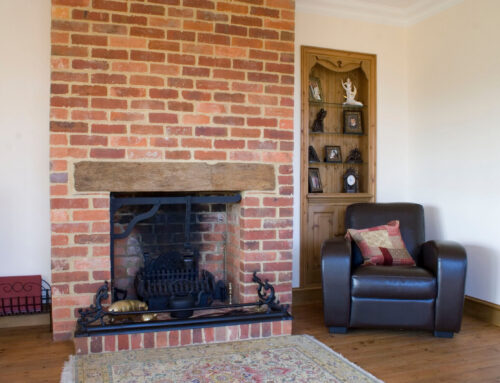
Wood systems produce the most creosote, so they are the most sensitive to cleaning mistakes. Baffle plates and air tubes in stoves are easy to bend or misplace. Door gaskets can be pulled loose while brushing. Cleaning logs and powders can help loosen dry soot but do not replace manual removal. If you use wet wood or overload the fire after a DIY cleaning, you can quickly bake remaining residue into glaze. That makes future removal harder and hurts draft. For open fireplaces, a rough smoke chamber slows airflow. It may need parging to smooth it. Scratching the tile liner creates surfaces that collect more soot the next time you burn.
Gas fireplaces and gas log sets
Many people assume gas means no maintenance. That is a myth. Vented gas logs and direct vent fireplaces need clean passages and proper air settings. If you scrub the glass with the wrong cleaner, residue can etch it and affect radiant heat. Moving logs without following the manufacturer layout can cause sooting. Brushing a flexible gas liner with a stiff tool can puncture or tear it. Blocked termination caps on the exterior can disrupt combustion and create carbon monoxide risks. DIY chimney cleaning risks are not limited to wood burners. Gas units need the right tools and know how to stay efficient and safe.
How Professionals Keep a Chimney Safe and Efficient
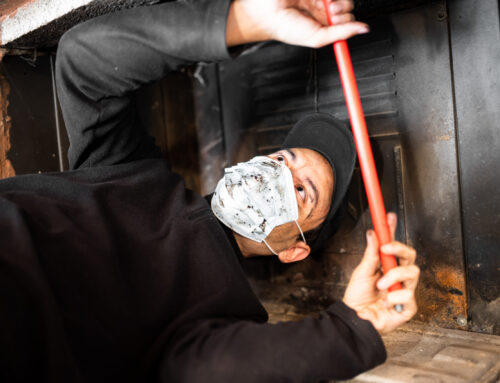
Certified sweeps follow steps that go beyond a basic brush and vacuum. At Elite Chimney, our technicians set up clean work areas, protect floors, and use HEPA vacuums to control dust. We match tools to the flue size and material. We check the smoke chamber, smoke shelf, damper, and connector pipes. If we find heavy creosote or glaze, we choose the right method to remove it without damage. After cleaning, we verify draft, look for hidden cracks, and check for water entry at the cap, crown, and flashing. You get a clear report and honest recommendations.
- Set up containment with drop cloths and a HEPA vacuum
- Identify flue type and size to select correct brush and method
- Clean from the bottom, top, or both for full coverage
- Clear the smoke shelf and smoke chamber, then parge if needed
- Inspect the liner, mortar joints, and damper condition
- Camera inspection to spot gaps, misaligned tiles, or blockages
- Measure draft and check combustion air for the home
- Verify cap, crown, and flashing to prevent leaks
- Document findings with photos and provide a clear plan
Elite Chimney is a Certified Chimney Sweep and follows high industry standards for safety and workmanship. Our goal is simple. We help your fireplace and chimney work better, last longer, and meet local codes.
What You Can Safely Do Yourself
You can still play a big role in fireplace care. The key is knowing where DIY ends and professional service begins. These simple habits boost performance and lower risk.
- Burn only seasoned firewood that measures under 20 percent moisture
- Store wood off the ground and covered to keep it dry
- Remove excess ash and leave a thin bed for easier starts
- Open the damper fully before lighting and warm the flue with a small starter
- Keep the area around the hearth clear and vacuum only when cold
- Check that the chimney cap is present and secure from the ground with binoculars
- Install and test smoke and carbon monoxide alarms on every level of the home
- Schedule an annual inspection even if you do not use the fireplace often
When to Call Elite Chimney
If you see any of the warning signs listed above, or if your fireplace performed worse after a DIY cleaning, call a professional. Elite Chimney LLC is based in Kenosha and serves Southeastern Wisconsin and Northeastern Illinois. Our team provides chimney cleaning and inspection, chimney liners, chimney leak repair, chimney caps and dampers, chimney rebuilding, gas fireplaces and gas log sets, and fireplace refacing. We pair expert service with fair pricing by keeping overhead low and focusing on quality work.
We proudly serve Kenosha County including Kenosha, Pleasant Prairie, Bristol, and Salem, along with Racine County including Racine, Mount Pleasant, and Waterford. In Illinois, we cover Lake County communities such as Zion, Waukegan, Gurnee, Lake Forest, Highland Park, and Libertyville. If you need a trusted chimney sweep in or around Kenosha or Lake County, Elite Chimney is ready to help.
Contact Elite Chimney at 262-358-4010 or email contact@elite-chimney.com. You can also learn more at https://elite-chimney.com or visit us at 2100 82nd Street, Kenosha, WI 53143. We will answer questions, schedule an inspection, and explain options clearly so you can make the best choice for your home.
Costly Mistakes to Avoid During DIY Cleaning
To help you prevent problems, here are common mistakes we see after DIY chimney work and how to avoid them.
- Skipping a full inspection before and after cleaning. You may clean but miss a cracked tile or loose joint. Always look for signs of damage and take notes or photos.
- Using a drill with chain whips inside clay tiles. This can chip or crack tiles and turn a small fix into a full relining job.
- Brushing stainless steel with a hard steel brush. Use a brush made for stainless to avoid wearing down the liner.
- Pushing debris into the smoke shelf without removing it. Always clear the smoke shelf so you do not choke airflow at the throat.
- Removing the cap and reinstalling it loosely. If the cap wobbles or the screen deforms, water and animals can get in. Secure the cap and check that the screen is clean.
- Using strong chemicals without guidance. Some products can damage metal parts, gaskets, and finishes. If you try a product, use it exactly as directed or call a pro first.
- Neglecting the appliance connector. For stoves and inserts, the connector pipe can hold a lot of deposit. Leaving it dirty can ruin draft.
- Ignoring house pressure. If fans or furnaces battle the fireplace for air, you will never get a good burn. Open a nearby window slightly during lighting and see if draft improves.
How Elite Chimney Solves Persistent Draft and Odor Problems
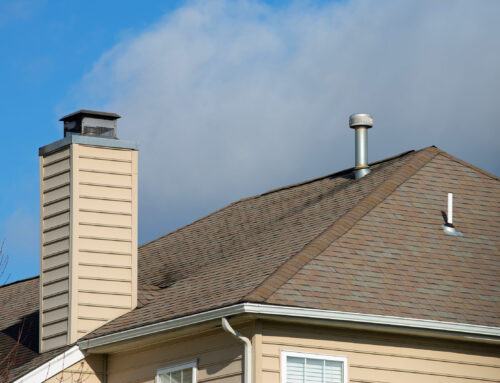
Every home is different. That is why Elite Chimney begins with questions about your burning habits, wood source, and past issues. We look at the chimney height, nearby rooflines, and trees. We check the damper and smoke chamber shape. We also verify if your home has enough makeup air for safe draft. Solutions might include smoothing the smoke chamber, installing a properly sized chimney liner, adding a top sealing damper, or upgrading the cap. If water is the culprit, we repair the crown, seal masonry, or fix flashing to stop future damage. Our goal is to stop the cycle of cleaning, poor performance, and more cleaning. We want your system to run cleanly with less effort.
Why Annual Professional Care Beats Emergency Fixes
DIY chimney cleaning risks grow when systems go too long without a professional inspection. An annual check catches small problems early and often lowers your total cost of ownership. You get better fuel efficiency, fewer odors, less smoke, and a cleaner burn. In cold climates like Kenosha, Racine, and Lake County, winter demands are high. A tuned chimney and fireplace keep your home warm and safe. Elite Chimney offers routine maintenance plans that fit your schedule and budget, so you do not have to wait for a crisis to get help.
FAQ: Quick Answers About DIY Chimney Cleaning Risks
- How often should I have my chimney inspected? Most homes need a yearly chimney inspection before the heating season. If you use the fireplace often, you may need cleaning during the season.
- Can I burn a special log and skip sweeping? Cleaning logs can help loosen light deposits, but they do not replace manual removal. You still need a proper sweep and inspection.
- Is gas maintenance easier than wood? Gas creates fewer deposits, but venting still matters. Dust, pet hair, or a blocked cap can cause unsafe operation. Gas units need annual checks too.
- My fireplace smokes only on windy days. What does that mean? Wind can push air down a short or obstructed chimney. A better cap, taller flue, or draft adjustments may solve it after a full evaluation.
- What if I already tried DIY and it got worse? Stop using the fireplace and call a professional. We can find the blockage or damage and get you back to safe operation.
The Bottom Line
DIY chimney cleaning risks can turn a good idea into a frustrating problem. Using the wrong tools, missing key areas, or changing draft conditions can leave your fireplace colder, smokier, and less safe. If you want reliable heat and clean air, pair smart homeowner habits with professional care. Elite Chimney in Kenosha brings certified expertise, fair pricing, and friendly service to Southeastern Wisconsin and Northeastern Illinois. Call 262-358-4010 or email contact@elite-chimney.com to schedule. With the right plan, your fireplace will burn brighter and your home will stay safer all season long.