
What Is a Chimney Rain Hat and Why It Matters in Racine County
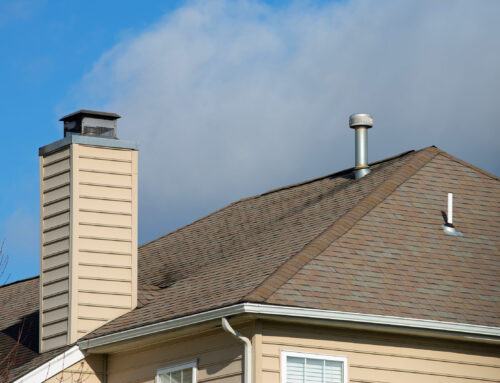
A chimney rain hat is a protective cover that sits on top of your chimney to help keep out rain, snow, debris, and animals. Many people use the terms chimney cap and chimney rain hat to mean the same thing. In everyday use they both describe the cover that shields the flue opening from the elements. In Racine County and the surrounding Lake Michigan communities, wind driven rain, drifting snow, and freeze thaw cycles are hard on masonry and metal components. A properly selected and installed chimney rain hat can extend the life of your flue, improve performance, and cut down on repairs caused by water damage. Elite Chimney serves Racine, Mount Pleasant, Waterford, and nearby areas with inspections, cap installation, and leak repairs so homeowners can protect their systems and stay code compliant.
Pros of Adding a Chimney Rain Hat
Protects Against Water Intrusion
Rain and melting snow are the number one enemy of a masonry chimney. Moisture that enters the flue or the chimney chase soaks into brick and mortar joints, then expands during freezes. This can lead to spalling, cracked crowns, deteriorated mortar, and rust on dampers and firebox components. A chimney rain hat sheds most precipitation before it reaches the flue tile or liner. When paired with a sound chimney crown and flashing, it is one of the most cost effective ways to prevent leaks. Elite Chimney sees fewer water stains, odors, and interior chimney damage on systems protected by a quality cap.
Helps Control Animals and Debris
Birds, squirrels, and raccoons love warm chimney spaces. They build nests that block airflow and increase the risk of chimney fires or carbon monoxide problems. Leaves, twigs, and roof debris can also blow into an open flue. A rain hat with a stainless steel mesh screen helps keep critters and debris out while allowing smoke and flue gases to vent safely. This is especially helpful in wooded parts of Racine County and in neighborhoods near the Root River corridor.
Reduces Downdrafts and Wind Driven Smoke
Wind over the roofline can push air down an open chimney, especially in homes close to the lake where gusts are common. Many chimney rain hats are designed to deflect wind, which can reduce downdrafts and the smoke smells that sometimes enter living spaces. For challenging wind patterns, specialized wind directional caps can stabilize draft and improve appliance performance.
Acts as a Spark Arrestor
The wire screen on many caps functions as a spark arrestor. It helps prevent embers from leaving the chimney and landing on the roof or nearby landscaping. While Racine County is not in a high wildfire zone, spark control is still a smart safety step for homes with wood burning fireplaces or stoves.
Protects Masonry and Metal Components
A chimney rain hat shields the top of the flue tile or liner from direct exposure. That helps limit flue tile cracking, liner rust on some systems, and premature failure of top mounted dampers. It also reduces staining on the chimney face and roof from creosote wash down during storms.
Potential Cons and When a Rain Hat May Not Be Ideal
Possible Draft Restriction if Poorly Sized
If the cap is too small, the screen has a tight mesh, or the hood sits too close to the flue outlet, it can restrict exhaust flow. That can lead to smoke spillage, poor wood stove performance, or condensation in gas appliances. Sizing must match the flue dimensions and appliance requirements. Elite Chimney measures each flue and selects a cap with adequate net free area to avoid draft issues.
Screen Maintenance in Cold or Sooty Conditions
Screens can accumulate creosote from wood burning and may ice up during severe cold snaps. Buildup reduces airflow and can cause smoking problems. Regular inspection and cleaning is part of safe operation. Homeowners who burn a lot of wood or who use unseasoned firewood should plan for more frequent maintenance.
Material Durability and Corrosion
Budget caps made from painted or galvanized steel can rust quickly in the Lake Michigan climate. Rust stains are hard to remove and a corroded cap can fail or even fall off. Stainless steel or copper offers better long term performance. Elite Chimney recommends stainless steel for most Racine County homes due to salt laden air and frequent freeze thaw cycles.
Compatibility With Listed Systems
Factory built metal chimneys and some gas appliance terminations must use a cap listed by the manufacturer. A generic rain hat may void the listing or cause unsafe operation. Always verify the make and model of the chimney or vent system and use the specified termination.
Aesthetic Considerations
Not everyone likes the look of a large multi flue cap. Copper can patina, which some homeowners love and others do not. Elite Chimney can help you choose a profile and finish that suits your home without sacrificing function.
Types of Chimney Rain Hats and Materials
By Configuration
- Single flue cap. Covers one flue tile, common on most homes.
- Multi flue or top mount cap. Anchors to the crown and protects multiple flues under one large hood, also helps shield the crown itself.
- Outside mount cap. Wraps the exterior of the chimney crown to shed water away from the masonry.
- Wind directional or draft enhancing cap. Designed to reduce downdrafts in windy locations.
- Top sealing damper with integrated cap. A low profile unit that seals at the top of the flue and includes a protective hood.
By Material
- Stainless steel. Durable, rust resistant, ideal for Southeastern Wisconsin weather, good value.
- Copper. Long lasting and attractive, develops a patina over time, higher cost.
- Galvanized steel. Lower upfront cost, shorter lifespan near the lake and in freeze thaw conditions.
Special Notes for Factory Built Chimneys
Class A metal chimneys and some gas vents require a specific listed cap from the same manufacturer to maintain the safety listing. Do not substitute a generic chimney rain hat on these systems. Elite Chimney sources the correct listed termination for your brand and model so you stay compliant.
Racine County Codes and Best Practices You Should Know
General Code Framework
Racine County follows Wisconsin building codes, and many chimney requirements draw from the International Residential Code and NFPA 211, which is the standard for chimneys, fireplaces, vents, and solid fuel burning appliances. Local jurisdictions may have amendments, and manufacturer instructions always apply for listed systems. Before making changes, check with the Racine County building department or your local municipality. Elite Chimney can help you navigate permits if needed.
Height and Clearance Rules
The 3 2 10 rule is widely used. The chimney must terminate at least 3 feet above the roof where it passes through and at least 2 feet higher than any part of the building within 10 feet. A chimney rain hat sits above the flue and must not reduce these minimum heights. If your chimney is close to code minimums, the cap selection should keep the outlet clear and at the right height.
Spark Arrestor and Screen Details
NFPA 211 allows spark arrestor screens in the range of about 3 eighths inch to 1 half inch openings. The screen should offer ample net free area for exhaust. A common best practice is to ensure the total screen open area equals at least four times the area of the flue opening. This helps maintain proper draft while still stopping embers and pests. Elite Chimney uses caps that meet these guidelines for wood burning systems.
Factory Built and Gas Appliance Considerations
For factory built chimneys, use only the listed cap from the manufacturer. For gas appliances vented through a masonry chimney, the venting system must match the appliance category and follow manufacturer instructions. Some gas appliances are sensitive to added restrictions from screens. Your cap may need a certain mesh size or no mesh at all. An inspection by Elite Chimney will confirm the right setup for safe operation and code compliance.
Permits and Inspections
Simple cap replacements on an existing masonry chimney do not always require a permit, but chimney rebuilding, crown repair, or adding a top sealing damper might. Racine County municipalities handle permits locally. When Elite Chimney performs work that may require a permit, we help you determine the correct path and provide documentation for inspections.
Maintenance Tips for Long Life and Safe Performance
- Schedule annual chimney inspection and cleaning, especially if you burn wood. A pro will clean the screen, check fasteners, and inspect the crown and flashing.
- After big storms, look at the cap from the ground to make sure it is still straight and secure. If it appears twisted or loose, call for service.
- Watch for rust spots, missing screws, loose mesh, or birds nesting on the cap. Address issues early.
- Trim back overhanging branches that drop leaves and seed pods into the cap during fall.
- Use seasoned firewood to reduce creosote buildup on the screen.
- If you notice smoke spillage or sluggish draft, get the cap and flue checked before your next fire.
Cost Ranges in Southeastern Wisconsin
Every chimney is unique, but the following rough ranges can help with planning. A stainless steel single flue chimney rain hat, professionally installed, often falls in the few hundred dollar range depending on size and height of the roof. Multi flue caps that mount to the crown can run higher, commonly in the mid to upper hundreds, sometimes more for large masonry stacks. Wind directional or specialty caps and copper builds carry premium pricing. If crown repair, liner work, or leak sealing is needed, those services are quoted separately. Elite Chimney keeps pricing competitive by minimizing overhead and offering exact quotes after an inspection so you know what to expect.
How to Choose the Right Chimney Rain Hat
- Identify the chimney and appliance type. Masonry fireplace, wood stove insert, gas log set, or factory built system all have different needs.
- Measure the flue or flues. Accurate dimensions ensure proper fit and draft.
- Decide on material. Stainless steel is the most common for durability in Racine County weather. Copper is a premium option.
- Pick the configuration. Single flue, multi flue top mount, or wind directional depending on draft and weather exposure.
- Confirm code and manufacturer requirements. Make sure the cap meets or exceeds standards and listing rules.
- Plan for maintenance. Choose a design with serviceable screens and accessible fasteners.
- Schedule professional installation. Proper anchoring and sealing protect the crown and prevent leaks.
DIY vs Professional Installation
Some homeowners can install a basic single flue cap if the roof is safe to access and fall protection is used. The work involves measuring the flue tile, selecting the right clamp or mount system, and securing the cap without cracking the clay tile or drilling into the flue. Still, there are risks. Installing into a weakened crown can cause leaks, and a mis sized cap can hurt performance. Elite Chimney offers safe installation with the right anchors and sealants, checks the crown for cracks, and ensures the screen and hood provide adequate open area. We also verify clearances to roof structures and confirm compatibility with your fireplace, stove, or gas appliance.
Why Homeowners Choose Elite Chimney
Elite Chimney LLC is a Certified Chimney Sweep serving Kenosha and Racine counties, plus Lake County, Illinois. Our team cleans, inspects, and repairs chimneys every day, which means we understand the real causes of leaks, draft problems, and premature wear. We install chimney rain hats, caps, and top sealing dampers sized for your exact flue and matched to local code. Because we keep overhead low, we deliver competitive pricing without cutting corners. Homeowners in Racine, Mount Pleasant, Waterford, Kenosha, Pleasant Prairie, and beyond rely on us for honest assessments and dependable work.
Related Services That Complement a Chimney Rain Hat
- Chimney cleaning and inspection to keep your flue safe and efficient.
- Chimney liners to improve safety and match appliance needs.
- Chimney leak repair to stop water intrusion at crowns, flashing, and masonry.
- Chimney caps and dampers for weather and energy savings.
- Chimney rebuilding when age or storm damage calls for structural repair.
- Gas fireplaces and gas log sets for convenient heating options.
- Fireplace refacing to update the look and function of your hearth.
Frequently Asked Questions About Chimney Rain Hats
Is a chimney rain hat the same as a chimney cap
Most people use the terms interchangeably. Both describe a cover that sits on top of the flue to keep out water, animals, and debris. Some products focus on rain protection while others also include a top sealing damper. Elite Chimney installs several types and can explain which is best for your setup.
Will a rain hat stop all chimney leaks
It will stop a lot of water from entering through the flue, but leaks can also come from cracked crowns, failed flashing, porous bricks, or missing mortar joints. A full inspection by Elite Chimney finds the true source so repairs last.
Do I need a permit to add a cap in Racine County
Basic cap replacements often do not need a permit. If you are rebuilding the crown, altering the exterior structure, or working on a listed chimney system, local rules may require a permit or inspection. Elite Chimney will guide you based on your municipality and scope of work.
Can a cap make my fireplace smoke
A properly sized cap should not. Smoke issues usually trace back to a dirty flue, poor make up air, or an undersized chimney. A cap that is too small or has an overly tight screen can add restriction. We size caps to maintain the right net free area for your flue and appliance.
What mesh size should I choose
For wood burning appliances, a screen with openings between about 3 eighths inch and 1 half inch is common. The total open area needs to be generous to avoid draft loss. For gas appliances, follow the manufacturer guide, which may limit or prohibit certain screens.
How long will a stainless steel cap last near Lake Michigan
Quality stainless steel caps often last many years even in a coastal environment. Regular inspections catch loose fasteners or early signs of wear. Cheaper galvanized caps usually do not hold up as well in Racine County weather.
What if I have multiple flues
A multi flue top mount cap is often the best choice. It protects the crown and gives you one larger hood rather than several small caps. Elite Chimney fabricates or sources multi flue caps sized to your chimney.
Ready to Protect Your Chimney? Contact Elite Chimney
If you are considering a chimney rain hat in Racine County, the first step is a thorough inspection. Elite Chimney will check your flue, crown, flashing, and appliance setup, then recommend a cap that fits your chimney and your budget. We install stainless, copper, top sealing dampers, and wind directional caps, and we stand behind our work. Get honest advice, clear pricing, and reliable service from a local certified team.
Elite Chimney LLC, 2100 82nd Street, Kenosha, WI 53143
Phone: 262-358-4010
Email: contact@elite-chimney.com
Website: https://elite-chimney.com
Service areas include Kenosha, Pleasant Prairie, Bristol, Salem, Racine, Mount Pleasant, Waterford, Zion, Waukegan, Gurnee, Lake Forest, Highland Park, Libertyville, and nearby cities. Whether you need a new chimney rain hat, a leak repair, or a full inspection, Elite Chimney is ready to help you protect your home and stay compliant.