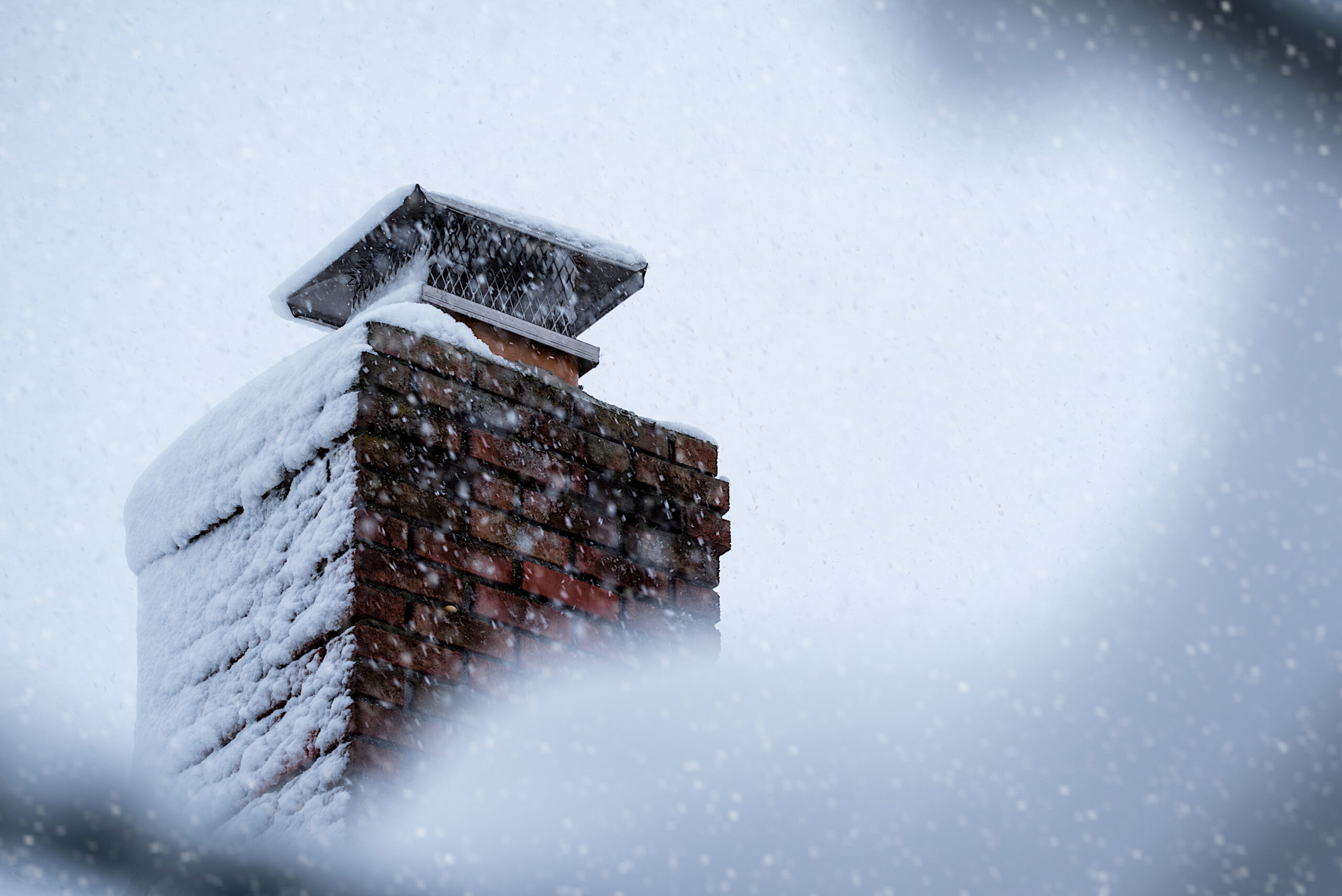
What That White Powder Really Is
If you have noticed a white, chalky film on your chimney, you are likely seeing chimney efflorescence. Homeowners often describe it as a salty powder that reappears even after cleaning. Efflorescence is a sign that water is moving through your masonry, dissolving natural salts inside the brick and mortar, then depositing those salts on the surface as the water evaporates. It might start as a light haze and grow into thicker, crusty patches. While it looks like a simple cosmetic issue, chimney efflorescence is actually a useful warning that your chimney is dealing with excess moisture.
Why Chimney Efflorescence Shows Up
How Water Gets Into Your Chimney
Water is the engine behind chimney efflorescence. Masonry is porous and can absorb moisture from many sources. As that moisture travels, it carries salts to the surface. When the water evaporates, the salts remain as the white stains you see. Common water entry points include:
- A cracked or poorly built chimney crown that lets rain soak into the top of the chimney
- No chimney cap, or a damaged cap that allows direct rain and snow entry
- Leaky or missing flashing where the chimney meets the roof
- Hairline cracks and soft mortar joints that pull in wind-driven rain
- A damaged or uninsulated liner that allows cooler, moisture-laden flue gases to condense inside the masonry
- Snow and ice buildup that sits against bricks for long periods
- Porous or older bricks that are already saturated
- Water pooling on shoulders or wide ledges of the chimney
Why It Is Common in Wisconsin and Illinois
In Southeastern Wisconsin and Northeastern Illinois, winters are cold and wet, and summers can be humid. Freeze and thaw swings drive moisture deeper into masonry and expand tiny cracks into bigger problems. Roofs handle snow, ice, and wind for months, and chimneys take the brunt of it. Lake-effect weather and frequent temperature changes keep surfaces damp longer than you might expect. That combination makes chimney efflorescence show up often in places like Kenosha, Racine, Waukegan, and Gurnee.
Gas Fireplaces Can Add Moisture Too
Many homeowners think gas appliances are dry heat, but gas produces water vapor when it burns. If your gas fireplace or gas log set vents into a masonry chimney, cooler flue temperatures can lead to condensation. That moisture can carry salts through brick and mortar, creating chimney efflorescence on the exterior. An oversized or uninsulated liner makes the problem worse. Proper liner sizing and insulation help keep the flue warm and reduce condensation.
What Chimney Efflorescence Is Telling You
Efflorescence is not just a cosmetic stain. It is a red flag that your chimney system is taking on water, and water is the top cause of chimney damage. If you ignore it, you risk bigger and more costly repairs. Here is what that white powder can warn you about:
- Spalling bricks that crack, flake, or pop faces off due to freeze and thaw cycles
- Deteriorated mortar joints that lose strength and allow more leaks
- Rust on dampers, liners, and firebox parts, which leads to stuck or unsafe components
- Stains and musty odors in walls near the chimney as moisture migrates indoors
- Chimney draft problems caused by rough interior surfaces and cooler flue gases
- Early liner failure from acidic condensate and constant moisture
The bottom line is simple. If you see chimney efflorescence, you should address the moisture source as soon as possible. The sooner you act, the more of your existing masonry you can save.
How to Tell Efflorescence From Other White Stains
Not every white stain on brick is chimney efflorescence. Sometimes you will see lime run, paint residue, or even mineral leaching that does not behave the same way. Before you choose a cleaning method, try these safe checks:
- Wet test. Lightly mist a small stained area with clean water. True efflorescence will darken and seem to disappear when wet, only to reappear as it dries.
- Brush test. Use a dry, stiff nylon brush on a small spot. If the deposit powders and brushes away easily, it is likely efflorescence. Hard crusts that do not budge may be calcite or lime run.
- Persistence check. Clean a small area and monitor it for a week. If the white film returns quickly, ongoing moisture is feeding salts through the wall.
If you are not sure what you are seeing, schedule an inspection with a Certified Chimney Sweep. Elite Chimney can confirm the cause and recommend the right fix for your specific chimney and fuel type.
Can I Clean Chimney Efflorescence Myself?
You can often remove light efflorescence with basic tools and care. Think of cleaning as a first step, not the full solution. If you do not stop the water source, the white deposits will keep coming back. For a gentle DIY cleaning, try this approach:
- Dry brush. Use a stiff nylon or natural bristle brush to scrub the surface while dry. Avoid wire brushes on soft historic brick.
- Vacuum dust. Gently vacuum the loosened powder so it does not redeposit on the wall.
- Rinse lightly. Use low-pressure water to rinse. Avoid soaking the wall. Let it dry fully.
- Spot clean. For stubborn areas, use a masonry-safe efflorescence cleaner as directed. Test on a small hidden area first.
- Let it breathe. Give the wall time to dry before applying any treatments.
- Do not power wash masonry. High pressure can drive water deeper and damage the brick face.
- Do not paint over stains. Paint can trap moisture and lead to worse spalling.
- Do not ignore recurring stains. Persistent deposits mean an active moisture problem.
If stains are thick, crusty, or keep returning, it is time to call a pro. Elite Chimney handles cleaning and the root-cause repairs that stop chimney efflorescence for good.
How to Fix Chimney Efflorescence for Good
Step One: Find and Stop the Water
Every lasting solution starts with a full chimney inspection. A certified technician will check the crown, cap, flashing, liner, and masonry to pinpoint entry points. Common repairs include:
- Chimney crown repair or rebuild with proper slope and overhang to shed water
- New stainless steel chimney cap to block rain, snow, and animals
- Top sealing damper to reduce rain entry and control drafts
- Flashing repair with correct step and counterflashing to seal the roof to chimney joint
- Chimney chase cover replacement on prefabricated systems
- Tuckpointing to replace soft or missing mortar joints
- Brick replacement where faces have spalled or cracked
- Cricket installation behind wide chimneys to divert water
- Breathable waterproofing with a silane siloxane treatment to repel water while allowing vapor to escape
- Shoulder repair where wide ledges catch and hold water
Step Two: Improve Venting and the Flue
Moisture inside the flue can be just as damaging as rain from the outside. A properly sized, insulated liner keeps flue gases warm and reduces condensation. For wood, gas, and oil systems, consider:
- Stainless steel chimney liner sizing and installation
- Insulating the liner to maintain temperature and reduce creosote and condensation
- Checking damper function so smoke and moisture do not linger
- Verifying gas log set or gas fireplace venting for proper draft and safe operation
Step Three: Maintain Your Chimney Year Round
Once repairs are complete, keep your chimney dry and safe with a simple plan:
- Schedule an annual chimney cleaning and inspection. This catches small cracks and leaks early.
- After major storms or freeze and thaw cycles, do a quick visual check for new stains or cracks.
- Reapply breathable water repellent every 5 to 10 years as recommended by your sweep.
- Keep gutters clear so water does not sheet onto the chimney.
- Trim back overhanging branches that keep the chimney damp.
Why Homeowners Choose Elite Chimney
Elite Chimney LLC is a local, certified, and customer-focused team based in Kenosha, Wisconsin. We serve Southeastern Wisconsin and Northeastern Illinois with expert chimney cleaning and repairs. Our goal is to keep your home safe while offering competitive prices. We do that by minimizing unnecessary overhead and focusing on quality work, honest evaluations, and clear communication. When you see chimney efflorescence, our technicians know how to diagnose the moisture source and fix it the right way.
Certified Services You Can Trust
- Chimney Cleaning and Inspection for wood, gas, and oil systems
- Chimney Liners sized and installed for better safety and efficiency
- Chimney Leaks diagnosed and repaired to stop water damage
- Chimney Caps and Dampers installed to block weather and pests
- Chimney Rebuilding and tuckpointing for failing or aging masonry
- Gas Fireplaces and Gas Log Sets installed and maintained
- Fireplace Refacing to refresh your hearth and improve function
Elite Chimney serves Kenosha County communities like Kenosha, Pleasant Prairie, Bristol, and Salem, along with Racine County cities such as Racine, Mount Pleasant, and Waterford. In Illinois we work throughout Lake County, including Zion, Waukegan, Gurnee, Lake Forest, Highland Park, and Libertyville. If you live anywhere in these areas and your chimney is turning white, we can help.
Contact Elite Chimney LLC at 262-358-4010 or email contact@elite-chimney.com. Visit us at 2100 82nd Street, Kenosha, WI 53143 or online at https://elite-chimney.com to schedule service. Ask about our comprehensive leak inspections if chimney efflorescence is present on your home.
FAQs About Chimney Efflorescence
Is white chimney staining dangerous?
Efflorescence itself is not toxic, but it signals a moisture problem that can damage your chimney and surrounding structure. Persistent water exposure leads to cracked bricks, loose mortar, interior stains, and even structural instability if ignored. Treat it as an early warning to fix leaks.
Will sealing my bricks trap moisture?
It depends on the product. A breathable water repellent designed for masonry, such as a silane siloxane treatment, allows water vapor to escape while repelling liquid water. That is the right approach. Avoid non-breathable sealers or paint. They can trap moisture inside and speed up spalling.
How fast can moisture and salts damage brick?
Damage speed varies with climate, brick type, and the amount of water present. In cold climates, one or two winters of repeated freeze and thaw can cause visible spalling on saturated bricks. If you see chimney efflorescence and any cracking or flaking, schedule an inspection soon.
Should I paint my chimney to hide stains?
Painting a chimney is not recommended for most masonry. Paint can lock moisture inside the wall and lead to worse deterioration. Instead, clean the deposits, fix the water entry, and apply a breathable water repellent if appropriate. If you want an updated look, ask Elite Chimney about fireplace refacing inside the home.
Is chimney efflorescence common on new homes?
It can be. Fresh mortar and new bricks contain more moisture. As a new chimney dries over its first months, you might see some efflorescence. Light deposits often fade once the masonry fully dries. If heavy deposits continue or return after rain, have the chimney checked for leaks.
What does it cost to fix chimney efflorescence?
Costs vary by cause and severity. Cleaning alone is usually affordable. Leak repairs, tuckpointing, new caps or dampers, and crown rebuilds range based on scope. A new liner or major rebuilding costs more. Elite Chimney provides clear, written estimates after inspection so you know exactly what you need and what it costs.
Your Next Steps if Your Chimney Is Turning White
Do a quick check around your chimney. Note where the white stains appear and whether they return after rain or snow. Look for missing caps, cracked crowns, or gaps in flashing. Then schedule a professional inspection. The right repair catches water entry early and saves you from major masonry work later. Elite Chimney will clean your chimney, diagnose the reason for chimney efflorescence, and deliver a plan to stop moisture at the source. We back that with certified workmanship, fair pricing, and local service that respects your home and time. Call 262-358-4010 or email contact@elite-chimney.com today. If you live in Kenosha, Racine, Zion, Waukegan, Gurnee, Lake Forest, Highland Park, or Libertyville, help is nearby. Protect your bricks now so your chimney stays strong, safe, and good looking for years to come.