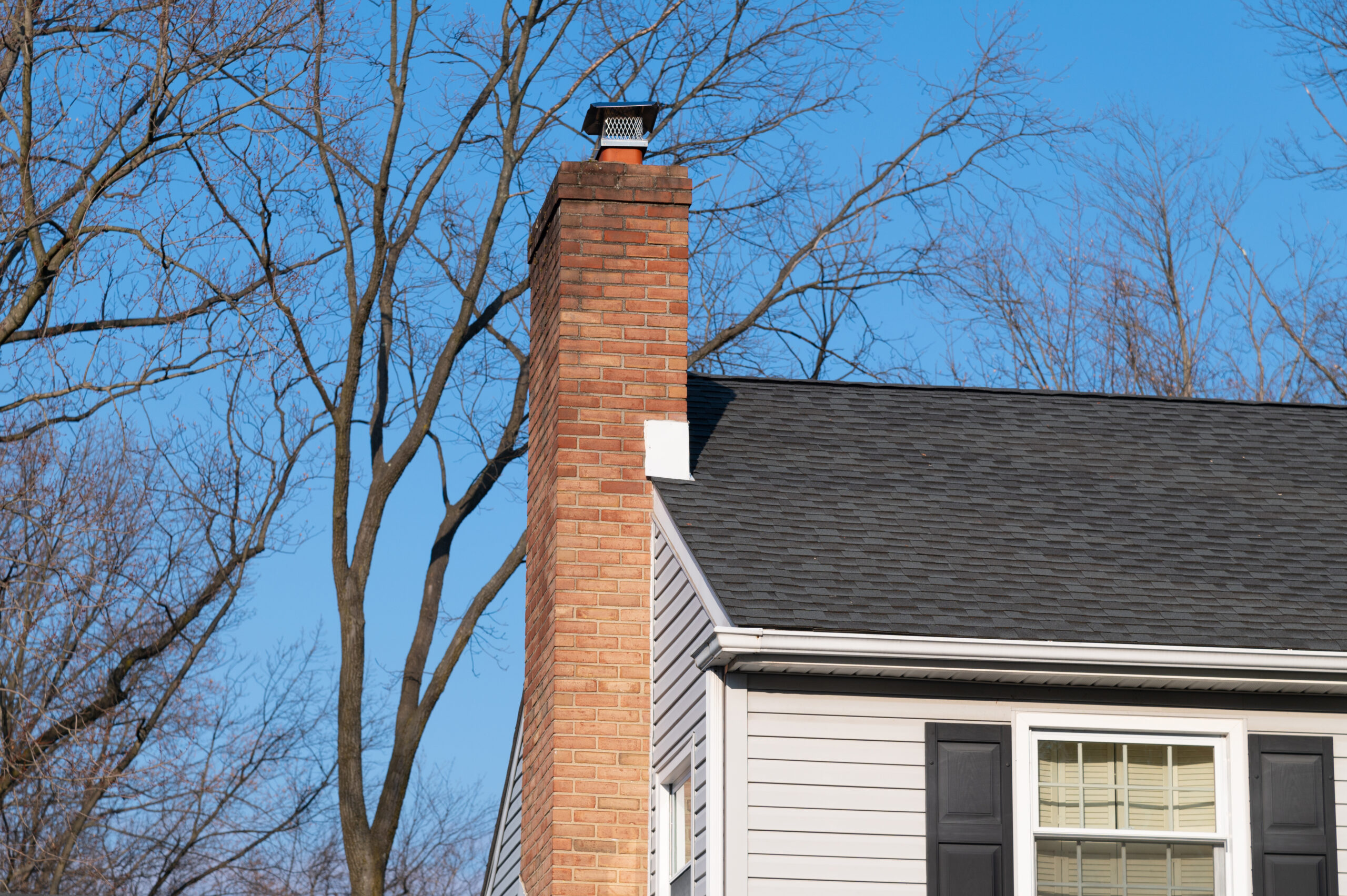
Understanding the crown vs chase cover question for Kenosha homes
If you are comparing a crown vs chase cover, you are likely seeing water leaks, staining, or crumbling masonry around your chimney. In Kenosha and the surrounding lakefront communities, freeze-thaw cycles and heavy winds put constant pressure on your chimney system. Making the right choice between a chimney crown and a chimney chase cover can save you money, prevent water damage, and extend the life of your fireplace. This guide explains the differences, typical costs, and lifespans for both options so you can protect your home and budget with confidence. Elite Chimney is here to help with honest advice, certified service, and competitive pricing.
Crown vs chase cover at a glance
Both components are designed to keep water out of your chimney. They do that in different ways for different chimney types. The best option depends on whether you have a full masonry chimney or a factory-built fireplace with a framed chase. Choosing correctly ensures a snug, durable seal that stands up to Kenosha weather.
What is a chimney crown?
Definition and purpose
A chimney crown is a solid, sloped top made from concrete or a specialized cement mix. It sits on top of a masonry chimney and covers the space between the flue liner and the outer brick. The crown sheds water away from the brickwork to prevent leaks, spalling, and mortar deterioration.
Key features of a quality crown
- Constructed from cast-in-place concrete or high-strength mortar mix
- Sloped surface that directs water away from the flue
- Overhang with a drip edge to keep water off the brick below
- Expansion joint around the flue to prevent cracking as materials heat and cool
- Water-repellent treatment to reduce absorption
When a crown is used
Use a chimney crown when you have a traditional, fully masonry chimney. If your chimney is built with brick or stone from the ground up and you can see the brick structure above your roof, you likely need a crown, not a chase cover.
What is a chimney chase cover?
Definition and purpose
A chimney chase cover is a custom metal lid that sits on top of a wood-framed or metal chimney chase. Think of it as a giant metal cap that seals the top of a boxed-in chimney. It keeps water, snow, animals, and debris out of the chase and the flue system.
Common materials for chase covers
- Galvanized steel, the most budget friendly but prone to rust
- Aluminum, lightweight and rust resistant but less durable in high winds
- Stainless steel, long lasting and highly resistant to corrosion
- Copper, premium look and exceptional durability
When a chase cover is used
Use a chase cover if you have a factory-built fireplace system with a framed chimney chase. These are common in newer homes and remodels around Kenosha, Pleasant Prairie, and Mount Pleasant. The chase cover is designed to fit over the entire top of the boxed structure and is paired with a decorative cap or termination on the flue.
Crown vs chase cover: what is the real difference?
Chimney type
- Crown, for masonry chimneys with exposed brick above the roofline
- Chase cover, for framed or metal chases housing factory-built fireplaces
Materials and construction
- Crown, built from concrete or specialized mortar on site and shaped with slope and drip edges
- Chase cover, fabricated from sheet metal with a raised center, cross breaks for strength, and a drip edge
Installation method
- Crown, formed and poured on the chimney top, often requires formwork and finishing
- Chase cover, measured, fabricated to fit, and secured with fasteners and sealant
Lifespan
- Crown, 15 to 30 years with proper design and sealing, shorter if built with basic mortar or without a drip edge
- Chase cover, 10 to 25 years depending on metal type, with stainless and copper outlasting galvanized steel
Typical costs in Kenosha
- Crown, repair may start around a few hundred dollars, full replacement often ranges from 800 to 2,500 depending on size, height, access, and material
- Chase cover, basic galvanized replacements can begin around 300 to 600, stainless steel commonly ranges from 600 to 1,500 based on size and complexity
Every chimney and roofline is different, so normal price ranges can vary. Elite Chimney provides clear estimates after an on-site inspection so you can choose the right solution for your home.
Why the choice matters in Kenosha weather
Kenosha homes face lake effect snow, driving rain, and frequent freeze-thaw swings. Moisture that gets into brick, mortar, or the framed chase can expand when frozen and cause cracking, spalling, or even structural damage. A correctly built crown or a well-fitted chase cover is your first line of defense against this cycle. Investing in the right top seal protects the chimney liner, prevents costly interior leaks, and reduces mold and rot risks in surrounding materials.
Signs your crown or chase cover needs attention
Common symptoms for masonry crowns
- Cracks or missing pieces on the crown surface
- Efflorescence, white staining on brick from mineral deposits
- Spalling brick faces or crumbling mortar joints
- Water intrusion in the firebox after storms
- Rust stains on the chimney cap or flue components
Common symptoms for chase covers
- Rust streaks running down the siding or chase face
- Pooling water on top of the cover due to a flat or dented surface
- Loose or missing fasteners around the perimeter
- Water staining on ceilings near the fireplace
- Animal activity or nesting at the top of the chase
If you see any of these, schedule an inspection. Elite Chimney can confirm whether you need a repair, a full replacement, or simply resealing and waterproofing.
Repair vs replacement: making the right call
When a crown can be repaired
- Hairline cracks that have not allowed water into the brick below
- Lack of waterproofing on an otherwise solid crown
- Minor surface wear that can be resurfaced with a crown coating
When a crown should be replaced
- Large cracks, missing chunks, or improper slope
- No drip edge or expansion joint around the flue
- Evidence of water damage in the chimney walls
When a chase cover can be repaired
- Loose fasteners or small isolated gaps in sealant
- Minor denting that does not hold water
- Properly sloped cover with intact protective coating
When a chase cover should be replaced
- Rust-through or pinholes
- Flat or inverted surfaces that collect water
- Undersized covers that do not extend to the edges with a drip edge
- Persistent leaks despite patching
In many Kenosha homes, upgrading to stainless steel for chase covers and building crowns with a proper slope, drip edge, and waterproofing delivers the best long-term value.
How Elite Chimney approaches crown vs chase cover projects
Elite Chimney combines certified expertise with a streamlined, local operation. Our team inspects, documents, and explains what we see so you understand your options and costs. We prioritize repairs where appropriate and recommend replacement only when it will save you money and headaches over time.
Our inspection process
- Exterior assessment of masonry or chase structure and roof conditions
- Evaluation of existing crown or chase cover construction and materials
- Moisture checks and inspection of the firebox and attic where accessible
- Clear photos and a written report with repair or replacement options
- Upfront estimate with material choices and expected lifespan
Material recommendations
- Crowns, cast concrete with a formed drip edge and a bond break around the flue, finished with a breathable, professional-grade water repellent
- Chase covers, custom-fabricated stainless steel with cross breaks to shed water, hemmed edges for strength, and a continuous drip edge
Cost and lifespan considerations for Kenosha homeowners
When comparing crown vs chase cover, cost is more than the initial price tag. Consider how long the fix will last in our climate, how much maintenance it will need, and the potential cost of water damage if a shortcut fails.
Budgeting tips
- Invest in stainless for chase covers to avoid early replacement due to rust
- Choose properly formed crowns with a drip edge rather than a flat mortar wash
- Pair the top with a quality chimney cap or termination to keep out rain and animals
- Plan for periodic inspections to catch minor issues before they grow
Elite Chimney helps you weigh upfront cost vs long-term value. We keep overhead low so we can offer competitive pricing without cutting corners on materials or workmanship.
Maintenance tips to extend service life
Annual habits
- Schedule a chimney cleaning and inspection before or after the heating season
- Check the top from the ground with binoculars for rust streaks, cracks, or animal activity
- Keep trees trimmed back to reduce debris and abrasion from branches
Every few years
- Reapply waterproofing on masonry crowns as recommended by your sweep
- Inspect sealant joints around chase covers and caps
- Verify that cross breaks on the cover still shed water properly
Frequently asked questions
Can I install a crown or chase cover myself?
Small maintenance tasks like resealing may be within DIY reach for experienced homeowners. Full crown construction, custom chase cover fabrication, and safe roof work are best left to certified professionals. Proper slope, drip edges, and expansion joints are critical. Elite Chimney ensures the job is done safely and correctly the first time.
What material is best for a chase cover?
Stainless steel offers the best balance of cost and durability for Kenosha-area homes. Copper is excellent but more expensive. Galvanized steel can rust quickly in our climate and is better for short-term fixes.
Can I use a chase cover on a masonry chimney?
No. A chase cover is designed for framed chases and factory-built systems. Masonry chimneys need a crown. Mixing the two can lead to leaks or code issues.
How do I know which one I have?
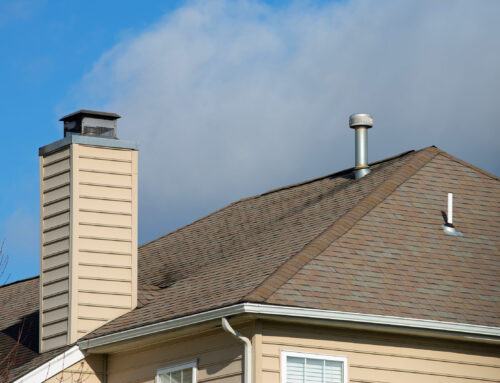
Look at the chimney above your roof. If you see full brick or stone with a concrete top, that is a masonry chimney and it needs a crown. If you see a boxed structure with siding or metal, capped by a flat metal lid, that is a chase and it needs a chase cover. Not sure which you have? Elite Chimney can confirm during an inspection.
Will insurance cover replacement?
Policies vary. Damage from a sudden event may be covered, while wear and tear usually is not. We can provide photos and documentation to help with a claim when applicable.
Why choose Elite Chimney in Kenosha
Elite Chimney LLC is a Certified Chimney Sweep serving Southeastern Wisconsin and Northeastern Illinois. Our team brings professional training, local knowledge, and transparent pricing to every project. Because we keep overhead low and focus on efficiency, you get expert work at a fair price.
Services we offer
- Chimney cleaning and inspection
- Chimney liners
- Chimney leaks
- Chimney caps and dampers
- Chimney rebuilding
- Gas fireplaces and gas log sets
- Fireplace refacing
Service areas
- Wisconsin, Kenosha County, including Kenosha, Pleasant Prairie, Bristol, Salem, and nearby communities
- Wisconsin, Racine County, including Racine, Mount Pleasant, and Waterford
- Illinois, Lake County, including Zion, Waukegan, Gurnee, Lake Forest, Highland Park, and Libertyville
How to get started
If you are weighing a crown vs chase cover, the first step is a professional inspection. We will identify your chimney type, document any damage, and offer clear options with pricing. Most projects can be scheduled quickly, and many repairs are completed in a single visit once materials are ready.
Contact Elite Chimney
Address, 2100 82nd Street, Kenosha, WI 53143
Phone, 262-358-4010
Email, contact@elite-chimney.com
Website, https,://elite-chimney.com
Key takeaways about crown vs chase cover
- Masonry chimneys need a crown. Factory-built systems with a framed chase need a metal chase cover.
- Proper design is essential. Look for slope, drip edges, and correct clearances.
- Stainless steel chase covers and well-formed concrete crowns last longest in Kenosha weather.
- Annual inspections catch problems early and reduce long-term costs.
- Elite Chimney offers certified service, clear estimates, and durable materials.
Protect your home with the right top for your chimney
Moisture is a chimney’s toughest enemy in Southeastern Wisconsin and Northeastern Illinois. Choosing the correct solution in the crown vs chase cover comparison will protect your flue, your roof, and your living space from leaks and costly repairs. Whether you need a precision-cast crown or a custom stainless chase cover, Elite Chimney will build a long-lasting barrier against the elements. Call today to schedule your inspection and get expert guidance tailored to your home and budget.