
Fireplace smell got you down? You are not alone. Cozy flames can leave behind a smoky, musty odor that lingers in the room long after the fire goes out. The good news is you can fix fireplace smell without hurting your design style or comfort. From quick wins to pro-level upgrades, this guide covers safe, stylish solutions that keep your room fresh. If you need expert help, Elite Chimney in Kenosha offers certified chimney cleaning, repairs, and upgrades for homes across Southeastern Wisconsin and Northeastern Illinois.
Why your fireplace smells even when it is not in use
Fireplace smell comes from a mix of airflow issues, creosote buildup, moisture, and what you burn. Once you understand the root cause, it is easy to target the right fix and keep your room looking great.
Common culprits behind fireplace smell
- Creosote and soot: Sticky byproducts of wood burning that cling to the flue and smoke chamber. They trap odors and can be a fire hazard.
- Negative air pressure: Your home can pull air down the chimney, sending smoky or musty fireplace smell into the room.
- Moisture and leaks: Rain, snow, and humidity inside the flue cause a damp, earthy odor, especially with older clay tiles.
- Animals and debris: Nests, leaves, and critters inside the chimney create strong odors and airflow problems.
- Unseasoned wood: Wet or green wood produces more smoke and smells stronger during and after the burn.
- Ash and residue: Old ashes, debris, and unclean fireboxes release stale odors.
- Worn or missing caps and dampers: Without protection, wind, water, and smells move freely through the chimney.
Quick wins to cut fireplace smell today
Simple actions in under 10 minutes
- Close the damper when not in use: This limits airflow that carries odors into the room. Check that it closes fully.
- Remove cold ashes: Scoop cool ashes into a metal container with a lid and store it outside. Emptying the pan reduces stale smells.
- Crack a window near the fireplace: A small opening can balance air pressure and stop downdrafts that bring odors in.
- Vacuum the firebox: Use a shop vac with a HEPA filter to capture fine soot. Make sure all ash is cool before cleaning.
- Place odor absorbers: Set out activated charcoal or baking soda in a covered bowl near, not inside, the firebox.
- Check for draft: Hold a tissue near the opening. If it pulls inward when the flue is cold, you may have negative pressure.
Low-cost tools that do not kill the vibe
- Chic lidded baskets: Store wood, gloves, and tools in a sealed basket to avoid loose soot and dust.
- Activated charcoal bags: Tuck neutral-looking charcoal bags on the mantel or hearth shelf to absorb odors discreetly.
- Stylish hearth rug: A washable rug catches ash without cluttering your space.
- Slim weatherstripping: Add a tight seal to fireplace doors to limit room air entering the firebox when not in use.
Style friendly fixes that actually work
Balance airflow without ugly gadgets
Airflow is often the hidden driver of fireplace smell. If your home is tightly sealed or your kitchen exhaust fan is on, the house may pull air down the chimney. To balance airflow, use make-up air by cracking a nearby window during fires. When the fireplace is idle, keep the damper closed and consider top-sealing dampers that look clean and modern while improving control.
Odor control that blends with your decor
You do not need heavy scents to mask fireplace smell. Choose simple, neutral solutions. Place a ceramic jar with baking soda near the fireplace. Use natural fiber baskets to store kiln-dried wood. Avoid burning scented logs that leave residue. If you enjoy candles, choose clean-burning, unscented or lightly scented options, and never burn them inside the firebox unless the fireplace and flue are fully open and maintained.
The clean burn blueprint
Pick the right wood
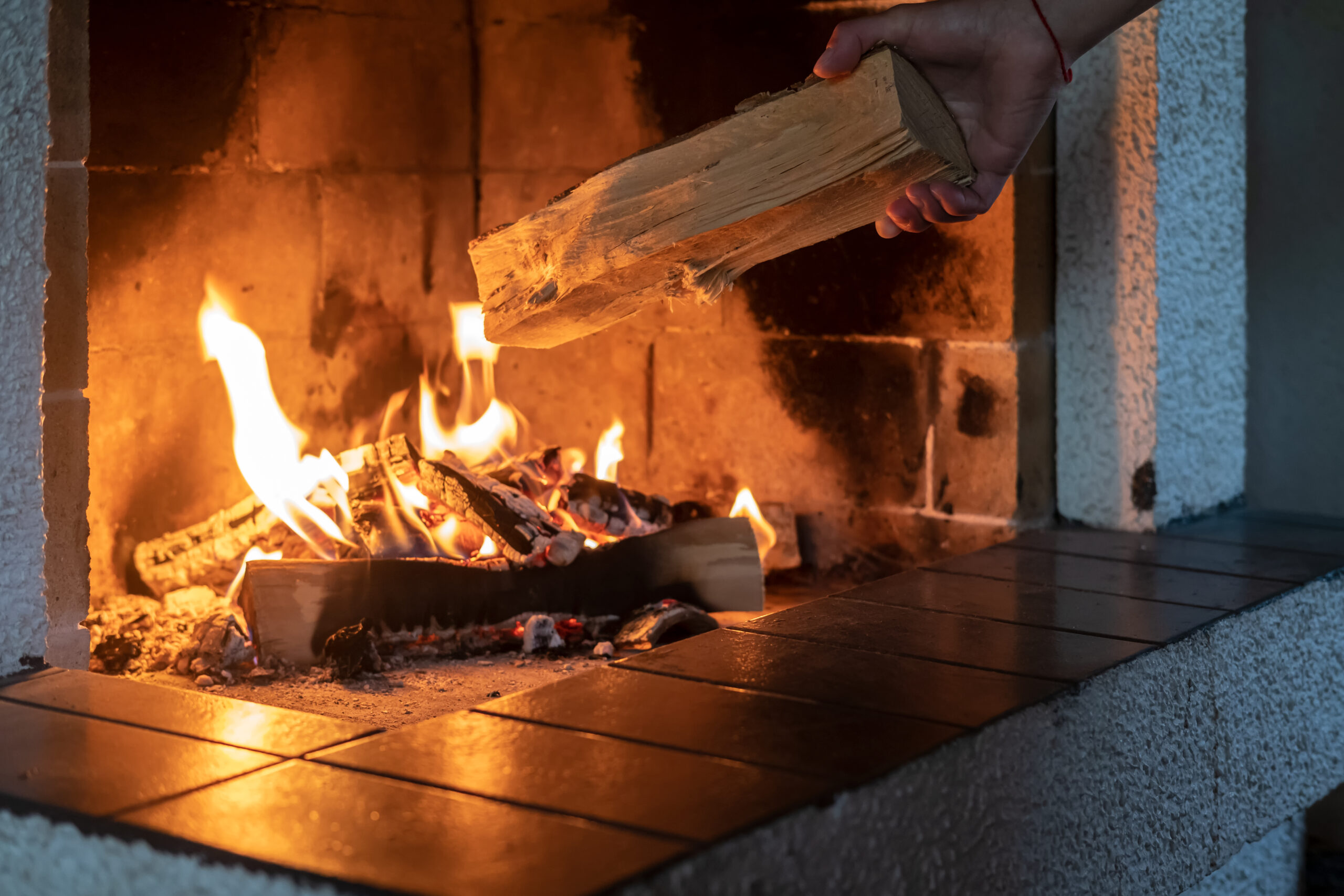
Use seasoned hardwood like oak, maple, or ash. Wood should be split and dried for at least 6 months. Aim for a moisture level of 15 to 20 percent. Store wood off the ground, covered on top only, so air can flow through the sides. Avoid softwoods like pine unless used for kindling, since they produce more creosote and stronger odors.
Set the fire correctly
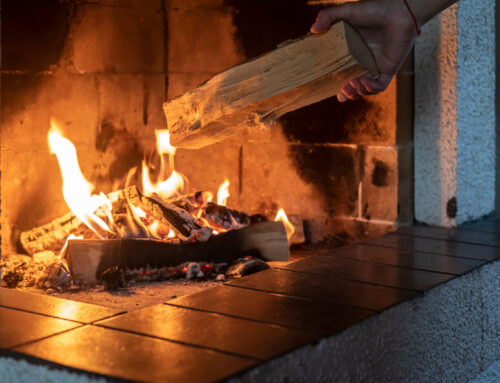
Try a top-down burn. Place larger logs at the bottom, medium pieces in the middle, and kindling at the top. Light the kindling so smoke moves up with less soot. Keep the glass doors cracked while starting the fire to help the draft, then close them to reduce smoke spill once the fire is established, if your fireplace is designed for use with doors closed.
After-burn routine
After the fire, close the damper once the embers are cool and there is no visible smoke. Remove ashes regularly and wipe the glass with a soft cloth and a cleaner meant for fireplace glass. Leave the doors slightly open for a short time to air out the box, then close them to prevent drafts and odor.
Stop smells at the source with pro upgrades
When basic steps are not enough, professional service can remove odors at the source and keep your fireplace safe and efficient. Elite Chimney provides certified chimney services that solve fireplace smell while respecting your home’s style and budget.
Chimney Cleaning and Inspection
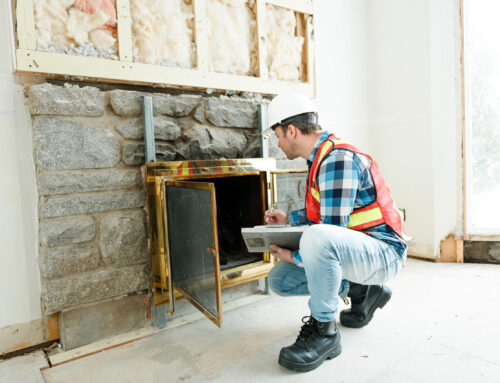
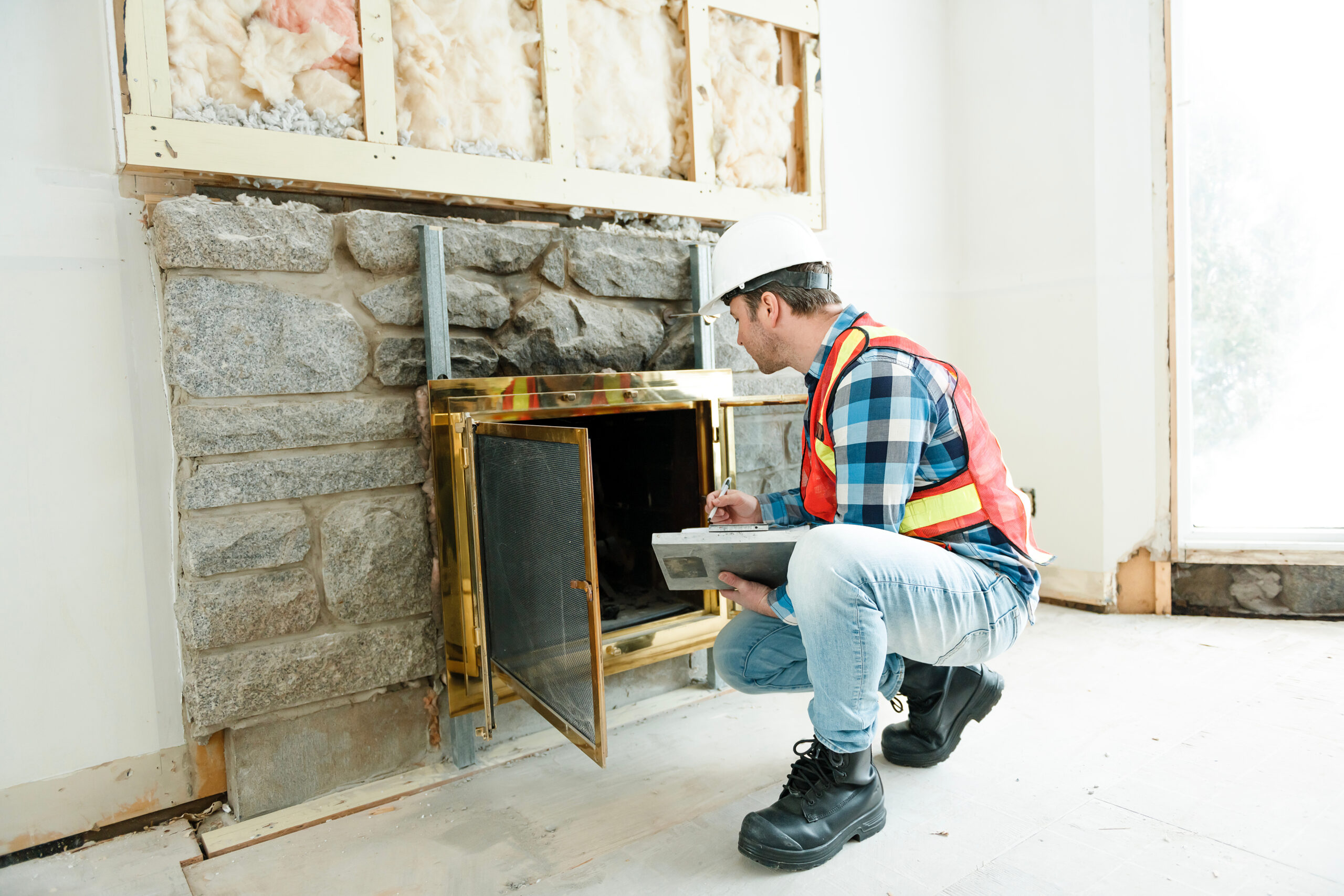
Creosote and soot hold smoke smells, and they can lead to chimney fires. A certified cleaning clears buildup from the flue, smoke chamber, and firebox. A Level 1 or Level 2 inspection finds issues like cracked tiles, missing mortar, and improper venting that cause fireplace smell and safety risks. Elite Chimney offers thorough, competitive cleanings that meet industry standards.
Chimney Liners
A damaged or unlined flue can leak smoke and odors into the home. Stainless steel chimney liners improve draft, reduce creosote, and enhance safety. They also help your chimney meet modern venting codes. Elite Chimney installs and maintains liners to match your appliance and fuel type.
Chimney Caps and Dampers
A quality cap prevents rain, snow, debris, and animals from entering the flue. A top-sealing damper adds an air-tight seal that blocks downdrafts and heat loss. Both upgrades reduce fireplace smell while protecting your structure. Elite Chimney installs caps and dampers that look clean and perform well through Midwest weather.
Chimney Leaks
Water is a leading cause of musty fireplace smell. Leaks come from cracked crowns, missing flashing, or porous brick. Professional waterproofing, tuckpointing, and crown repair stop water entry and odor. Elite Chimney repairs and prevents leaks to protect your home.
Chimney Rebuilding
Older chimneys with loose mortar, spalling brick, or structural damage can release odor and perform poorly. Rebuilding or partial rebuilds restore integrity and keep the system safe. Elite Chimney handles full restoration for aging chimneys, always focused on safety and durability.
Gas Fireplaces and Gas Log Sets
If you want the look of a fire without smoke, consider a gas fireplace or gas log set. Gas systems offer clean burning and easier control. Elite Chimney installs and maintains gas units that fit your style. They can advise on venting and design so your room stays fresh with a cozy glow.
Fireplace Refacing
Style matters. If you are upgrading, refacing your fireplace can improve looks and cut future odor traps. Smoother surfaces, proper doors, and correctly sized openings help smoke rise and reduce residue. Elite Chimney offers refacing options that modernize your hearth without overwhelming your room’s design.
Safety first: what not to do
- Do not burn trash, glossy paper, or treated wood. These release chemicals and strong odors.
- Do not use harsh chemicals to clean the firebox. Use products meant for fireplaces and follow label directions.
- Do not run kitchen or bath exhaust fans while starting a fire if you struggle with downdrafts. They can pull smoke into the room.
- Do not block the flue with makeshift covers. Use a proper damper or top-sealing unit.
- Do not ignore a persistent fireplace smell. Odors can signal a safety problem.
Seasonal checklist to prevent fireplace smell
- Fall: Schedule a cleaning and inspection with a certified sweep like Elite Chimney. Test the damper for smooth operation. Check that the cap is secure.
- Winter: Burn only seasoned wood. Keep a small window cracked while burning if you notice downdrafts. Remove ashes regularly.
- Spring: After your final fire, remove all ash, vacuum the firebox, and wipe the glass. Close the damper once the flue is cool and dry.
- Summer: Inspect for water entry after storms. If you smell a musty odor, book a water intrusion assessment with Elite Chimney.
When to call a certified pro for fireplace smell
- Strong smoky odor even when the fireplace is cold
- Dripping, staining, or white efflorescence on the chimney
- Animal sounds, nesting material, or debris falling into the firebox
- Smoke spill or back puffing into the room when lighting a fire
- Cracked clay tiles, damaged mortar joints, or loose bricks
- Homes that were recently air sealed or had new exhaust appliances installed
If any of these sound familiar, schedule an inspection. Elite Chimney is a Certified Chimney Sweep, which means their team follows strict safety and service standards. They offer a clear, friendly approach and explain findings in plain language.
Why homeowners choose Elite Chimney
Local, certified, efficient
Elite Chimney LLC is based in Kenosha, Wisconsin, and serves Southeastern Wisconsin and Northeastern Illinois. Their certified team keeps overhead low to provide competitive prices without cutting corners. From routine cleaning to full rebuilds, they focus on safety, performance, and style. If fireplace smell is bothering you, they bring real solutions that fit your home and your budget.
Services at a glance
- Chimney Cleaning and Inspection
- Chimney Liners
- Chimney Leaks
- Chimney Caps and Dampers
- Chimney Rebuilding
- Gas Fireplaces and Gas Log Sets
- Fireplace Refacing
Service areas
- Wisconsin: Kenosha County, including Kenosha, Pleasant Prairie, Bristol, Salem, and nearby communities
- Wisconsin: Racine County, including Racine, Mount Pleasant, Waterford, and more
- Illinois: Lake County, including Zion, Waukegan, Gurnee, Lake Forest, Highland Park, Libertyville, and surrounding cities
Address: 2100 82nd Street, Kenosha, WI 53143. Phone: 262-358-4010. Email: contact@elite-chimney.com. Website: https://elite-chimney.com
FAQs about fireplace smell
Why does my house smell like smoke the day after a fire?
As the chimney cools, air can reverse direction and fall into the room. That downdraft carries smoke particles and odors. Closing a tight-sealing damper, balancing airflow, and keeping the flue clean decreases fireplace smell the next day.
Can a chimney cap really help with odor?
Yes. A cap blocks rain, animals, and debris that create musty smells. Pairing a cap with a top-sealing damper improves air control and often reduces odor right away.
Is gas a good alternative if I am sensitive to fireplace smell?
Often, yes. A vented gas fireplace or quality gas log set burns cleaner and is easier to control. Elite Chimney installs and services gas options and can help you choose a unit that fits your style and comfort level.
How often should I have my chimney cleaned?
For most wood-burning fireplaces, schedule a cleaning and inspection once a year, or sooner if you burn frequently. If you notice fireplace smell, smoke spill, or visible soot, book a visit sooner.
What if my fireplace smells in summer?
Warm, humid air can pull odors from the flue into the home. A top-sealing damper, clean flue, and leak repairs often solve summer odors. If you smell a damp or earthy scent, ask Elite Chimney to check for water intrusion.
Will cleaning alone fix fireplace smell?
Cleaning removes the odor source, but airflow and moisture control matter too. The best results come from a clean flue, a tight damper, a good cap, and proper burning habits.
Room-by-room vibe tips that fight fireplace smell
Modern minimal
Stick to kiln-dried wood stacked in a sleek holder. Use a top-sealing damper for a clean look and better seal. Neutral charcoal bags hide in plain sight and do not clash with minimal decor.
Cozy cottage
Choose woven baskets with lids to store tools and extra throw blankets that can be washed to remove any lingering scent. Add a light, linen-curtain window crack during fires to balance air and keep the cottage feel.
Transitional family room
Install clear, well-fitted glass doors that complement both traditional and modern elements. Keep a discrete ash bucket with a tight lid near the hearth to prevent odor between cleanouts.
A simple plan to keep fireplace smell away
- Burn better: Use seasoned hardwood, stack top-down, and keep air flowing during start-up.
- Control air: Close the damper when cool, add weatherstripping to doors, and crack a window when needed.
- Seal and protect: Install a quality cap and consider a top-sealing damper for a tighter seal.
- Keep it dry: Fix chimney leaks and waterproof masonry to prevent musty odors.
- Maintain yearly: Book a certified inspection and cleaning with Elite Chimney.
Ready to enjoy a fresh, cozy room?
Fireplace smell does not have to be part of the package. With smart airflow, clean burning, and a few style-friendly upgrades, your home can feel warm and smell fresh. If you want professional help that respects your budget and your design, call Elite Chimney. Their certified team handles cleaning, liners, caps, dampers, leak repairs, gas installations, and refacing with care and craftsmanship. Contact Elite Chimney at 262-358-4010 or visit https://elite-chimney.com to schedule your service. Breathe easier and love your fireplace again.