
Seeing Is Believing: What Creosote Really Is
If you use a fireplace or wood stove in Southeastern Wisconsin, you have likely heard about creosote. It is a byproduct of burning wood, and it sticks to the inside of your chimney as smoke cools on the way out. Over time that residue thickens, hardens, and becomes a major fire hazard. In this blog, we will show you what creosote buildup really looks like in Kenosha chimneys, why it forms here so often, and how to keep your home safe. If you are searching for chimney cleaning Kenosha, you are in the right place.
Elite Chimney LLC is based in Kenosha and serves Southeastern Wisconsin and Northeastern Illinois. Our certified chimney sweeps clean, inspect, and repair chimneys with care and attention to detail. We focus on safe operation, long-term performance, and fair pricing by keeping overhead low. We want you to feel confident every time you light a fire.
What Creosote Looks Like Inside a Kenosha Chimney
Creosote builds up in stages. The appearance tells you a lot about the risk level and the kind of cleaning needed.
Stage 1: Soft Soot and Dusty Black Coating
Early creosote looks like a thin, powdery film on the flue walls. It wipes away easily and looks flat black or dark gray. A light brush with a fingernail or a white paper towel will leave a smudge. At this stage, a standard sweep removes it quickly. This is common after a handful of fires or at the start of the season. If you keep up with annual service, much of your buildup will stay at this level.
Stage 2: Flaky, Crunchy, or Shiny Chips
As residue thickens, it turns into dark flakes or chips. It looks layered, a little like bark or burned corn flakes. When you tap it with a tool, it may sound brittle or crunchy. Some areas may look shiny, almost like black glass that has cracked and curled. This often forms when fires smolder, when the damper is partly closed, or when the flue is oversized or cold. Stage 2 needs stiffer brushes and specialized tools to remove completely. If you can see these flaky sheets when you look up into the smoke chamber or throat, it is time to schedule chimney cleaning Kenosha with Elite Chimney.
Stage 3: Glazed, Hard, Tar-Like Coating
The most dangerous level looks like a thick black glaze on the flue walls. It can appear wet or glassy, and it often feels slick or rock hard. In some Kenosha chimneys, it looks like melted candle wax that dripped and froze in place. It can also hang in ripples or bubbles. This is stage 3 glazed creosote. It is very flammable and can burn at extremely high temperatures, which puts your flue tiles and masonry at risk. Glazed creosote does not brush off. It requires mechanical removal methods and sometimes a professional chemical treatment designed for this purpose. If you see any glassy black patches, do not use the fireplace until a certified sweep inspects it.
Why Kenosha Chimneys See More Glaze
Kenosha winters are long, cold, and humid. That combination cools flue gases faster, which increases condensation. The more condensation, the more creosote sticks and hardens. Lake effect moisture and strong winds can also pull cold air down into chimneys between burns, which keeps flues colder at start-up. Cold starts are a common trigger for glazed creosote because smoke hits a cold surface and condenses quickly. Houses near the lake may also experience more frequent temperature swings. All of this adds up to a higher chance of stage 2 and stage 3 buildup if the system is not maintained.
Why Creosote Buildup Matters
Chimney Fire Risk
Chimney fires often start in areas you cannot see, such as the flue liner, smoke chamber, or behind a damper plate. Creosote ignites at a relatively low temperature compared to masonry, and once it lights, it burns hot and fast. The noise can sound like a freight train or loud rumble, but sometimes it is quiet and hidden. Either way, the heat can crack tiles, damage mortar joints, and spread into framing. Regular chimney cleaning and inspection reduce this risk.
Carbon Monoxide and Air Quality
Thick creosote narrows the flue, slows the flow of smoke, and can cause smoke spillage and carbon monoxide buildup. Even tiny leaks at mortar joints become more dangerous when the flue is restricted. If you have a headache or feel queasy after using your fireplace, shut it down and get a professional inspection from Elite Chimney.
Poor Draft and Low Heat Output
Heavy residue interrupts airflow, which makes starting and maintaining fires harder. You may notice more smoke in the room, stubborn fires that flicker out, or wood that seems to smolder. Clean flues draft better, burn cleaner, and transfer heat more efficiently.
Water Damage and Odors
Creosote absorbs moisture and can turn acidic. That acidity eats at mortar, metal parts, and liners. In summer or damp weather, the residue can produce strong campfire or tar-like odors. Installing the right cap and damper, fixing leaks, and keeping surfaces clean makes a big difference.
How to Tell If You Need Chimney Cleaning Kenosha
Some signs are hard to miss. Others are subtle. Watch for these cues and schedule service before the heating season if possible.
- You see black flakes, crumbs, or soot around the firebox or on the hearth.
- There is a thick black ring just above the smoke shelf or around the damper.
- You smell a sharp smoky or tar-like odor, especially on humid days.
- Fires are hard to start, or smoke spills back into the room.
- You hear small tapping or crackling from the flue that is not from the fire itself.
- The chimney exterior shows staining, or the cap is rusted, loose, or missing.
- You have not had a chimney inspection in at least one year, or you burn more than one cord of wood per season.
A simple rule of thumb is the 1/8 inch rule. If creosote is 1/8 inch thick anywhere in the system, you need a professional cleaning. Elite Chimney performs detailed inspections to confirm the thickness and the stage of buildup.
What Happens During an Elite Chimney Cleaning and Inspection
Our Step-by-Step Process
- We protect the home with floor coverings and dust control tools.
- We perform a visual inspection of the firebox, smoke chamber, flue liner, cap, and chimney crown.
- We sweep from the bottom, top, or both, depending on your system and the type of buildup.
- We use specialized rods, brushes, and vacuums with HEPA filters to keep dust down.
- For glazed creosote, we may recommend mechanical removal or a staged treatment designed to break down hard glaze.
- We document findings and can show you photos before and after.
- We provide a clear report with repair recommendations if needed.
Tools and Techniques We Use
Elite Chimney uses industry-standard brushes for flexible metal and clay flues, rotary systems for stubborn deposits, and professional cleaners approved for chimney applications. For inspections, we use lights and mirrors, and when needed camera systems that help us see joints and tile conditions. Our certified chimney sweeps follow recognized standards for safety and quality control.
When We Recommend Repairs
Cleaning often reveals other issues. If we find cracked tiles, missing mortar, damaged crowns, or leak-prone flashing, we will explain the options. We offer chimney liners, chimney caps and dampers, leak repairs, and full or partial rebuilding. We also service gas fireplaces and gas log sets, and we provide fireplace refacing for a clean new look.
How to Prevent Heavy Creosote Between Sweeps
You cannot remove creosote risk completely, but you can keep buildup low with good habits. These tips work well in Kenosha’s cold climate.
- Burn seasoned wood. Aim for wood that is split and dried for at least 6 to 12 months with moisture content near 20 percent.
- Start hot, clean fires. Warm the flue with a small kindling fire, then add fuel. Avoid long smoldering burns.
- Keep air flowing. Use the damper and air controls as instructed for your appliance.
- Avoid burning trash, cardboard, glossy paper, or treated wood. These create more residue and can damage the flue.
- Use smaller, hotter fires in shoulder seasons when outside air is mild and draft is weaker.
- Install a quality cap and consider a top-sealing damper to keep moisture out.
- Schedule a yearly inspection before the season. If you burn daily in winter, consider a mid-season check.
Does Gas Create Creosote Too
Gas fireplaces and gas log sets produce far less creosote than wood, but they still need inspection. Debris, animal nests, and moisture can still enter the flue. Soot can collect from improper air settings or burner issues. Elite Chimney services gas fireplaces across Kenosha, Racine, and Lake County. We check the venting, pilot, and logs, and we make sure everything is running safely.
Chimney Upgrades That Cut Down on Buildup
Chimney Liners
Oversized flues cool smoke too quickly, which encourages condensation that leads to hard glaze. A properly sized liner keeps exhaust warmer and improves draft, which helps reduce future accumulation. Liners also protect masonry from heat and acids.
Chimney Caps and Dampers
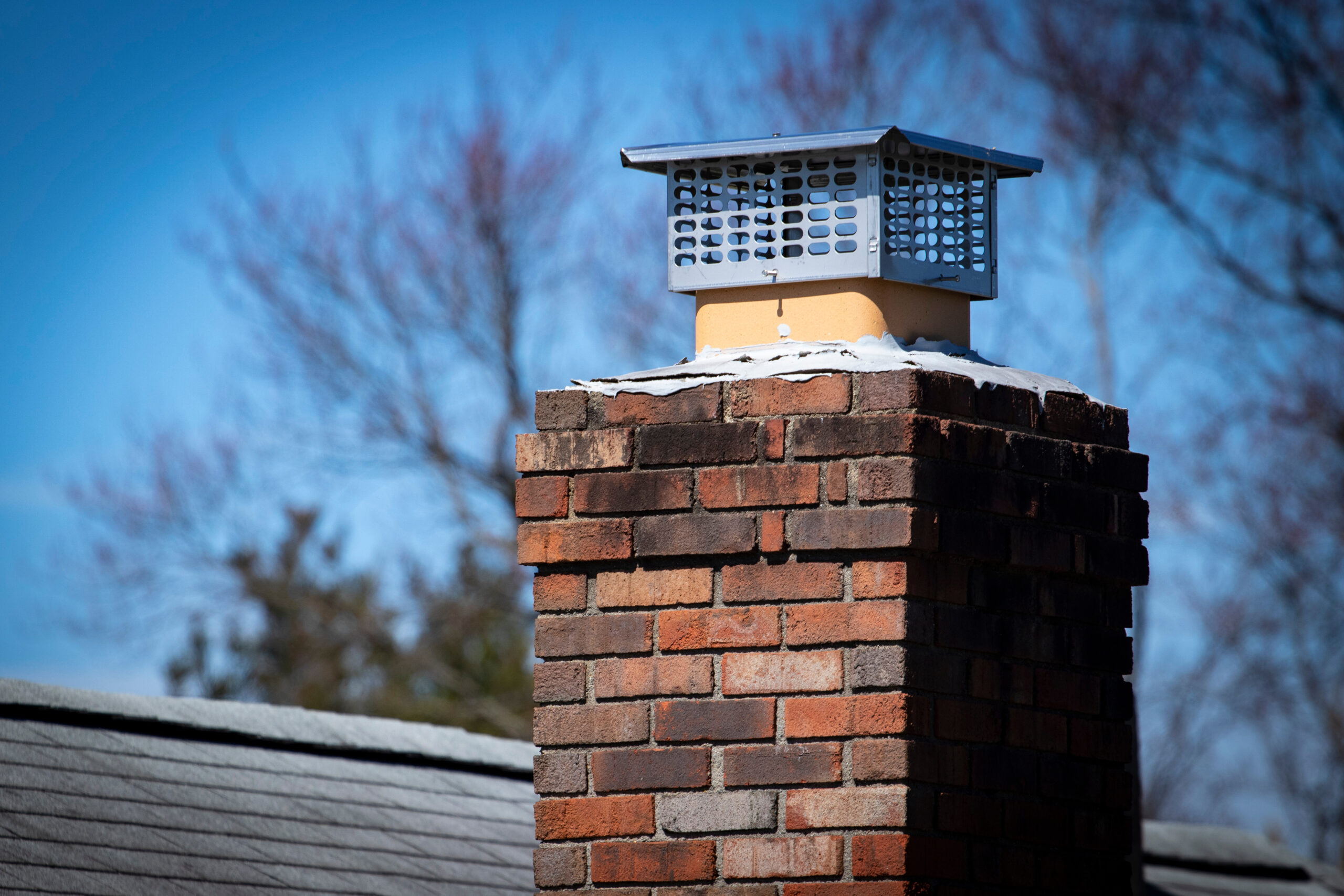
A good stainless steel cap keeps rain, animals, and leaves out of the flue. Less moisture means less odor, less acid, and less chance of glaze. A top-sealing damper helps control airflow when the fireplace is not in use, which keeps cold air out and reduces condensation in the flue.
Leak Repair and Crown Work
Leaks feed moisture into the system. Elite Chimney repairs flashing, crowns, bricks, and mortar joints to stop water entry. Dry chimneys are cleaner chimneys.
Local Look: What We See Most Often in Kenosha
In Kenosha County, we regularly find heavy stage 2 creosote in fireplaces that burn on weekends and holidays but not daily. The stop and start pattern, combined with cold flues, tends to create flakes and chips that harden over time. In Racine and Mount Pleasant, we see similar patterns in older homes with large masonry chimneys. In Illinois communities like Zion, Waukegan, and Gurnee, windy conditions and lake-driven humidity contribute to faster buildup, especially in chimneys without caps. No matter where you are in our service area, a clean and inspected chimney is the safest choice.
Why Homeowners Choose Elite Chimney
- Certified Chimney Sweep. Our technicians meet high industry standards for safety and workmanship.
- Local and experienced. Based in Kenosha, we understand how local weather affects chimneys.
- Clear pricing. We keep overhead low, which helps us provide competitive rates without cutting corners.
- Full-service care. Cleaning, inspections, liners, caps and dampers, leak repair, rebuilding, gas fireplace service, and fireplace refacing.
- Photo documentation. We show you what we see so you can make informed decisions.
- Respect for your home. We protect floors and furnishings and leave the space clean.
Service Areas
Elite Chimney serves homeowners throughout Southeastern Wisconsin and Northeastern Illinois.
- Kenosha County: Kenosha, Pleasant Prairie, Bristol, Salem, and nearby towns.
- Racine County: Racine, Mount Pleasant, Waterford, and more.
- Illinois, Lake County: Zion, Waukegan, Gurnee, Lake Forest, Highland Park, Libertyville, and surrounding cities.
Frequently Asked Questions About Chimney Cleaning Kenosha
How often should I have my chimney cleaned
The National Fire Protection Association recommends annual inspections for all chimneys, fireplaces, and vents. Many homes need cleaning once per year, and heavy users may need mid-season service. If any amount of glazed creosote is present, schedule cleaning right away.
Can I clean the chimney myself
Basic sweeping is possible for some homeowners, but it is easy to miss sections like the smoke chamber, offsets in the flue, and the top area near the cap. Removing glaze requires specialized tools and techniques. For safety and thoroughness, use a certified sweep like Elite Chimney.
Do chimney cleaning logs work
Some products can help dry out residue and may make it easier to brush, but they are not a replacement for professional cleaning. They do not remove thick or glazed deposits by themselves.
What if I have a gas insert
Gas systems still need annual inspections. We check venting, seals, and combustion for safety. We also look for animals or debris in the termination and verify that the damper is correctly fixed open when required.
Book Your Inspection With Elite Chimney
If you are seeing black flakes, smelling smoke when the fireplace is off, or struggling to start clean fires, it is time to schedule chimney cleaning Kenosha with a certified pro. Elite Chimney is ready to help. We will show you exactly what is happening inside your flue, remove the buildup safely, and recommend smart upgrades to prevent problems.
Contact Elite Chimney LLC today: Address: 2100 82nd Street, Kenosha, WI 53143. Phone: 262-358-4010. Email: contact@elite-chimney.com. Website: https://elite-chimney.com
The Bottom Line
Creosote in Kenosha chimneys can look dusty, flaky, or like black glass. The more it hardens, the higher the danger. Cold, damp weather and stop-and-start burning make buildup more likely in our area. Regular inspections, timely cleaning, and smart upgrades keep your fireplace safe, efficient, and odor free. Whether you live in Kenosha, Racine, or Lake County, Elite Chimney has you covered. Book your inspection, get clear answers, and enjoy your home with confidence this season.