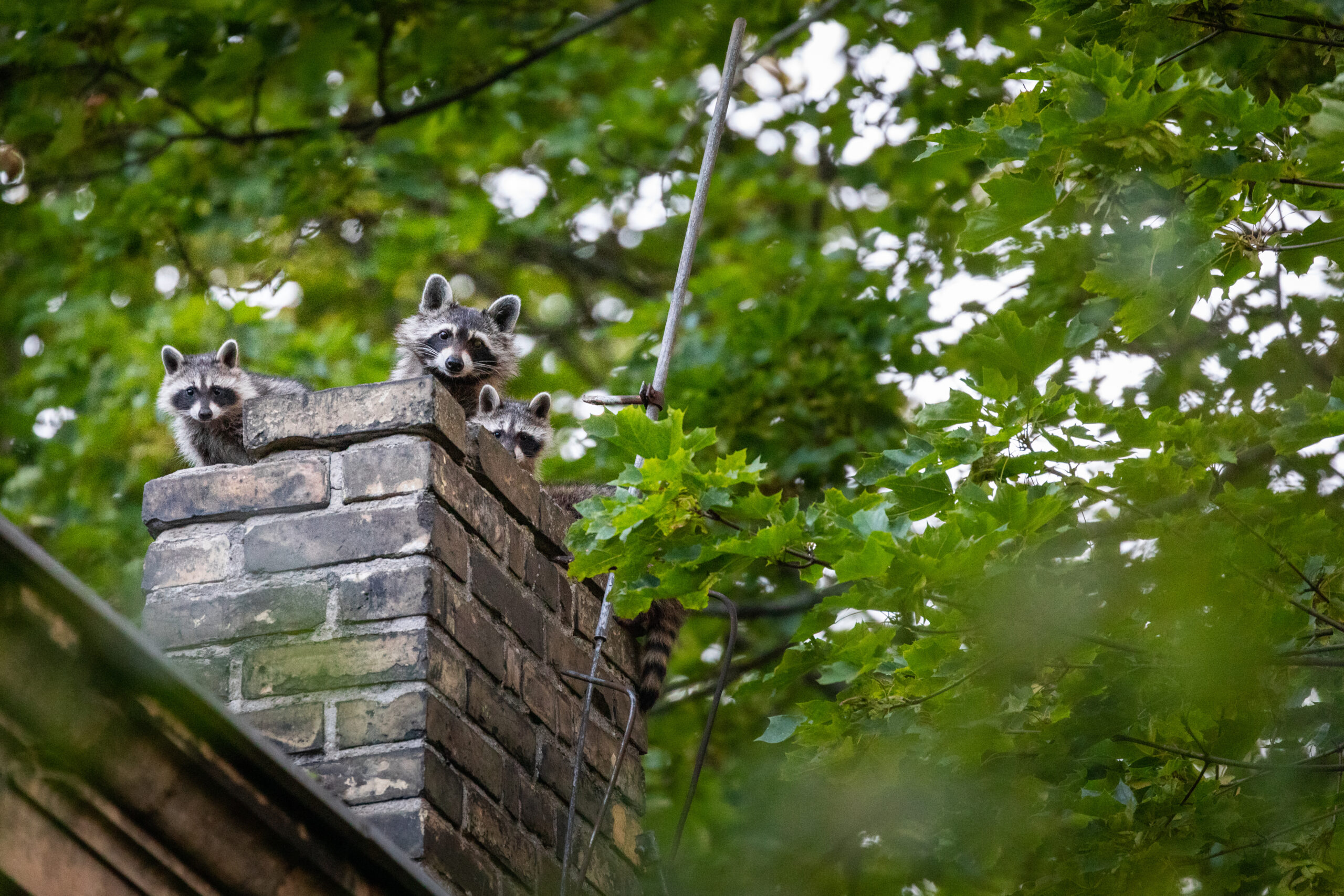
Hearing scratching, chirping, or chattering in your fireplace or inside the chimney walls can be alarming. These sounds often mean a bird, bat, squirrel, raccoon, or other small animal has made your chimney its home. This guide explains how to handle chimney animal removal safely, what steps to take right away, and how to prevent wildlife from coming back. If you live in Southeastern Wisconsin or Northeastern Illinois, Elite Chimney can inspect your system and take care of the problem quickly so your home stays safe and sound.
Why You Might Hear Noises in Your Chimney Walls
Chimneys provide warmth, shelter, and a dry place out of the wind. To wildlife, that is an ideal nesting spot. Animals enter through an uncapped flue, a damaged crown, loose mortar joints, or gaps around the flashing. Once inside, they move through the flue or even nest in gaps beside the flue where a framed chase or interior wall meets the masonry.
Seasonal patterns also play a role. In spring, birds and squirrels look for nesting sites. In late fall, raccoons and other animals search for a warm refuge. Bats may use chimneys for roosting in summer. If your chimney lacks a proper cap and damper, the path in is wide open.
Common Animals Found in Chimneys in Wisconsin and Illinois
Knowing what you might be dealing with helps you respond the right way. The most common animals our team at Elite Chimney encounters include:
- Birds such as starlings and chimney swifts
- Squirrels, often gray or red varieties
- Raccoons, which are strong climbers and very crafty
- Bats, which can squeeze through small gaps
- Mice and occasional rats, often drawn by nesting material
Each species behaves differently. Birds and squirrels tend to build nests that can block the flue. Raccoons are larger and can tear at masonry or chimney liners. Bats leave guano that can create a strong odor and health concerns. Correct identification matters because some animals, like chimney swifts and certain bats, are protected by law during parts of the year. That is another reason to call a certified professional for chimney animal removal.
Why You Should Not Ignore the Sounds
It might be tempting to wait and hope the animal leaves, but that can lead to bigger issues. Animals in your chimney or between the flue and the surrounding structure can cause damage in just a few days. Even if the noises stop, the nest and droppings could still be there, creating a blockage and fire risk.
Safety and Home Risks
- Chimney fires caused by nests and debris that trap heat and sparks
- Carbon monoxide backup into the home because the flue is blocked
- Water damage and leaks when nesting material holds moisture against masonry
- Strong odors from droppings and decaying organic matter
- Fleas, ticks, mites, and other parasites brought in by wildlife
- Structural damage to the liner, crown, or mortar from scratching and clawing
The faster you act, the more you limit damage and reduce costs. Elite Chimney often finds that quick inspections and simple repairs prevent larger rebuilding projects later.
First Steps to Take When You Hear Scratching or Chattering
Stay calm and follow a safe, step-by-step approach. The goal is to protect your family, keep the animal from entering your living space, and avoid harming protected species.
- Close the fireplace damper if it is safe to do so. This reduces airflow that might draw the animal further inside.
- Do not light a fire. Smoke and heat can trap or injure wildlife and force fumes back into your home.
- Keep pets and children away from the fireplace and chimney area.
- Note the time and pattern of the sounds. Chirping, fluttering, or chattering gives clues to the species.
- Do a quick exterior check from the ground. Look for a missing chimney cap, torn screen, or visible nesting debris on the crown or roof. Never climb on the roof without proper safety equipment.
- Call a certified professional for chimney animal removal and inspection. In Southeastern Wisconsin or Northeastern Illinois, you can reach Elite Chimney at 262-358-4010 or contact@elite-chimney.com.
Taking these steps protects the animal and your home. It also sets up a faster and safer resolution once help arrives.
What Not to Do
DIY efforts are risky. Well-meaning homeowners sometimes make the situation worse. Avoid the following actions:
- Do not try to smoke out the animal with a fire or fumes.
- Do not place poison or traps inside the chimney. This can lead to dead animals in the flue, harsh odors, and health hazards.
- Do not block vents or cover the top of the chimney while an animal is inside. Trapped wildlife may panic and break into the home.
- Do not attempt to remove bats or protected birds on your own. There are rules about timing and methods for humane exclusion.
- Do not tear into walls without a plan. You may damage the flue or create a worse entry path.
Chimney systems are complex, and every species needs a different approach. A Certified Chimney Sweep knows which tools and timing to use for a safe outcome.
How Professional Chimney Animal Removal Works
At Elite Chimney, our process is designed to solve the immediate issue and prevent a repeat. We follow industry standards and local regulations in Wisconsin and Illinois.
Step 1: Inspection and Identification
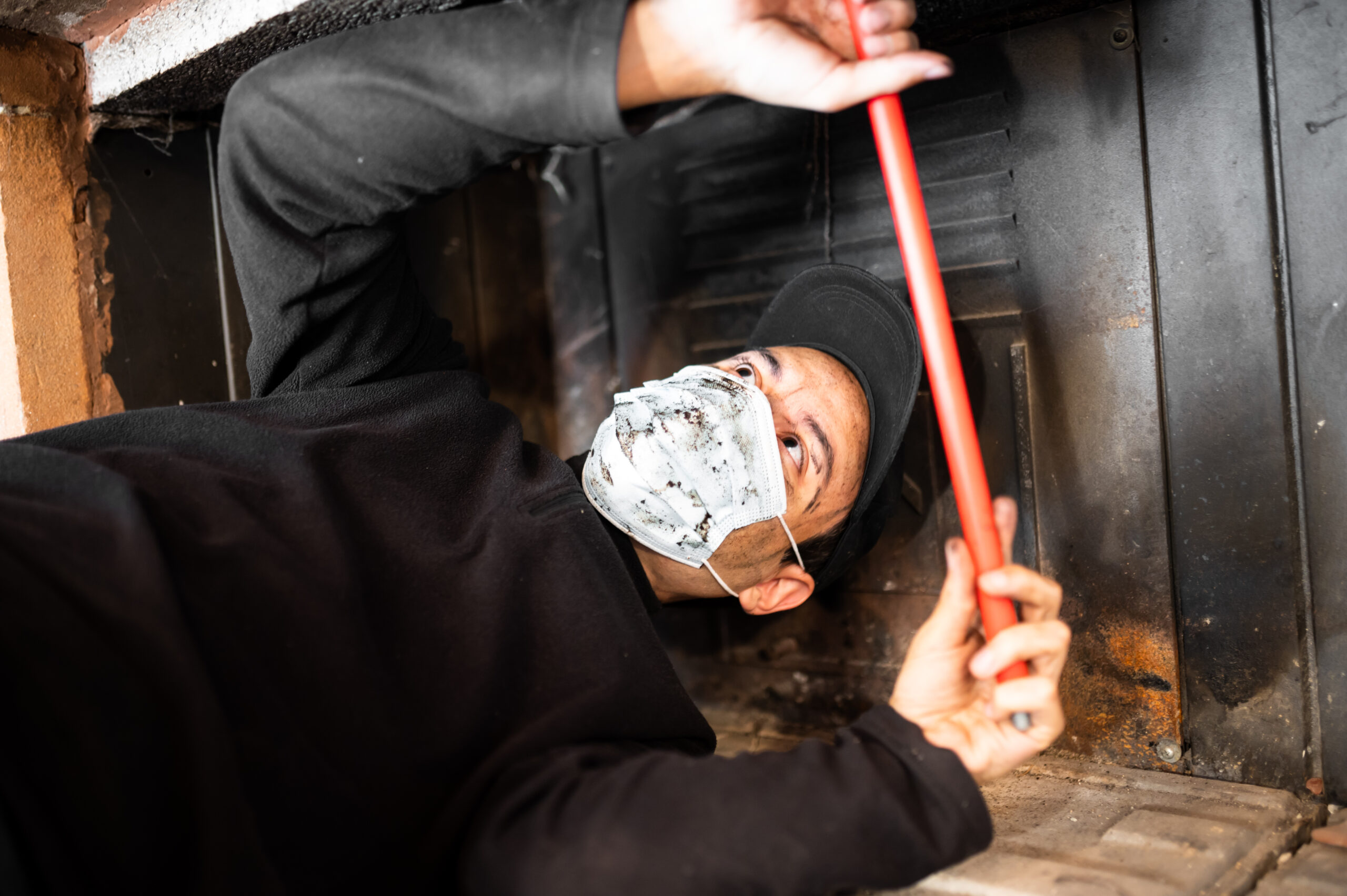
We begin with a visual inspection at the fireplace, the chimney top, and the exterior structure. If needed, we use specialized cameras to examine the flue. The goal is to confirm the species, find the entry point, and check for damage. This step also determines whether special timing rules apply, such as when dealing with protected migratory birds or bats.
Step 2: Humane Removal or Exclusion
Once we identify the animal, we use humane techniques to guide it out of the system or remove it safely. For birds and bats, we often use one-way devices that let them exit without getting back in. For squirrels or raccoons, we may use equipment that allows safe capture and relocation by permitted professionals when allowed. The method depends on the species and situation.
Step 3: Cleaning and Sanitizing
After removal, our team clears out nesting materials, droppings, and debris. We sweep and sanitize as needed to reduce odors, bacteria, and parasites. This step also prepares the flue for safe use if you heat with wood, gas logs, or a gas fireplace.
Step 4: Repair and Prevention
We address the root cause so you do not end up in the same spot next season. That can include installing a stainless steel chimney cap with an animal-resistant screen, sealing minor gaps, repairing flashing, or recommending a new damper or liner if the old system is failing. We explain each option so you can choose the best solution for your budget and home.
Prevention Tips to Keep Wildlife Out
Prevention is the most cost-effective form of chimney animal removal. A few upgrades and habits can keep your flue free of wildlife year-round.
- Install a quality chimney cap with a durable screen sized for your flue.
- Use a top-sealing damper to close off the flue when the fireplace is not in use. This also improves energy efficiency.
- Repair cracks, gaps, and deteriorated mortar joints that animals can widen.
- Check the chimney crown for damage that lets water and animals in.
- Trim back branches that hang over the roof and give animals easy access.
- Schedule annual chimney cleaning and inspection before the heating season.
- Address leaks fast. Moisture weakens masonry and can open new entry points.
Elite Chimney offers chimney caps and dampers, leak repairs, and routine cleaning throughout Kenosha and Racine counties in Wisconsin and across Lake County in Illinois. Our team can recommend the right cap for your system and install it correctly the first time.
How Elite Chimney Can Help
Elite Chimney LLC is based in Kenosha, Wisconsin, and serves homeowners across Southeastern Wisconsin and Northeastern Illinois. We focus on expert service at a fair price by keeping overhead low and standards high. Our Certified Chimney Sweep technicians follow established safety practices for inspections, repairs, and chimney animal removal.
Our Chimney Services
- Chimney Cleaning and Inspection. We remove soot, creosote, and debris. We check for damage, blockages, and signs of past wildlife activity.
- Chimney Liners. We install and maintain liners to improve safety and draft. A sound liner also helps keep animals from nesting in rough interior spaces.
- Chimney Leaks. We find and fix leaks that invite wildlife and cause costly damage.
- Chimney Caps and Dampers. We install protective caps and efficient dampers that block debris, animals, and weather.
- Chimney Rebuilding. We restore damaged or aging masonry so your system works like new.
- Gas Fireplaces and Gas Log Sets. We install and service gas systems, check vents, and confirm safe operation after any wildlife incident.
- Fireplace Refacing. We refresh the look of your hearth while addressing function and safety.
From the first call to the final inspection, Elite Chimney aims to solve your problem and prevent the next one. If you suspect animals in your chimney, call 262-358-4010 or email contact@elite-chimney.com, and we will schedule a visit.
Frequently Asked Questions About Chimney Animal Removal
How do I know if there is an animal in my chimney?
Common signs include scratching or chattering sounds, fluttering wings, strong odors, or debris falling into the fireplace. You may also see nesting materials on the roof or on the ground near the chimney.
Is it safe to use my fireplace if I hear noises?
No. Do not start a fire or turn on gas logs until a professional inspects the flue. A blocked or damaged chimney can cause smoke and carbon monoxide to enter your home.
Can I remove the animal myself?
It is safer to call a professional. Some species are protected, and the wrong approach can harm the animal or cause damage. Certified technicians use proper tools and methods that follow the law.
What if the noises stop on their own?
Even if the animal leaves, the nest and droppings may remain. That can block the flue or attract pests. Schedule an inspection and cleaning to ensure the flue is safe before you use it again.
Do I need a chimney cap?
Yes. A cap with the right screen is the single best way to keep animals and debris out of your flue. It also helps control moisture. Elite Chimney can recommend and install the best cap for your system.
How often should I have my chimney inspected?
Once a year is the typical standard, especially before the heating season. If you hear noises, notice odors, or see debris, schedule an inspection right away.
When to Call Elite Chimney
If you live in Kenosha, Pleasant Prairie, Bristol, Salem, or nearby Wisconsin communities, or in Zion, Waukegan, Gurnee, Lake Forest, Highland Park, Libertyville, and other Lake County cities in Illinois, Elite Chimney is your local resource for chimney animal removal and prevention. We know the species common to our region, the rules that apply to them, and the right solutions that keep your home safe.
We are located at 2100 82nd Street, Kenosha, WI 53143. Call 262-358-4010, email contact@elite-chimney.com, or visit elite-chimney.com to schedule service.
Our Service Areas
Wisconsin
- Kenosha County. Kenosha, Pleasant Prairie, Bristol, Salem, and surrounding areas.
- Racine County. Racine, Mount Pleasant, Waterford, and more.
Illinois
- Lake County. Zion, Waukegan, Gurnee, Lake Forest, Highland Park, Libertyville, and nearby cities.
Your Next Steps
If you hear scratching or chattering in your chimney walls, act now. Close the damper if it is safe, keep the area off limits to kids and pets, and call a pro. A quick visit can prevent fires, carbon monoxide issues, and expensive repairs. Whether you need immediate chimney animal removal, a thorough inspection, a new cap and damper, or long-term chimney maintenance, Elite Chimney is ready to help.
Contact our Certified Chimney Sweep team today at 262-358-4010 or contact@elite-chimney.com. We will find the source of the sounds, remove the wildlife safely, and secure your system so it stays clear. With the right care and prevention, your chimney can do what it is designed to do without hosting uninvited guests.