
That summer smoke smell, explained in under a minute
If your fireplace smells like smoke in summer, you are not imagining it. Hot, humid air and changing airflow in your home pull stale odors from the chimney into your living space. Soot, creosote, and moisture make the smell stronger when the weather warms up. The good news is you can take simple steps today to cut the odor, and schedule expert service to stop it for good. Elite Chimney helps homeowners in Southeastern Wisconsin and Northeastern Illinois solve this exact problem every season.
Why your fireplace smells like smoke in summer
Stack effect reversal and negative pressure
In winter, warm air from a fire rises and moves up the chimney. In summer, there is no fire to push air upward. Your home may even pull air down the flue. This is called stack effect reversal. Bathroom fans, kitchen range hoods, dryers, and running air conditioning all create negative pressure. That pressure draws outside air in through the path of least resistance, often your chimney. When that air travels over soot and creosote, it carries smoke odors into your room.
Heat and humidity amplify odors
Warm, sticky air releases smells from porous surfaces. Masonry, soot, and creosote absorb odor-causing compounds during the heating season. When summer arrives, heat and humidity lift those compounds into the air and make them more noticeable. That is why your fireplace smells like smoke in summer even if you have not used it for months.
Creosote and soot buildup
Creosote is a byproduct of wood burning. It sticks to chimney walls and has a strong, tar-like odor. Levels of creosote depend on wood quality, burn temperature, and airflow. Even a thin layer can create a persistent smell when warm weather hits. A deep clean by a certified chimney sweep is often the fastest way to cut the odor at the source.
Moisture inside the chimney
Water mixes with soot to create a sour, musty smell. It also damages flue tiles and mortar joints. Rain entering through a missing or broken cap, cracks in the crown, or failed flashing can leave the entire system damp. Damp creosote smells stronger and lingers longer, especially in August humidity.
Missing or failing caps and dampers
A proper chimney cap keeps out rain, leaves, and animals. A top-sealing damper closes the flue tight when the fireplace is not in use. If one is missing or failing, your fireplace becomes a giant straw, letting hot air and odors drop into the room. A cap and modern damper are simple upgrades that make a big difference once summer arrives.
Animals, nesting, and debris
Birds, squirrels, and raccoons see an open chimney as a safe home. Nests block airflow and trap moisture. Animal droppings and even the animals themselves can create strong odors. A screened cap prevents entry and keeps the flue clean and dry.
Quick fixes you can try today
Simple steps to reduce odor right now
- Close the damper fully. If you have a throat damper, make sure it seals tight. If air still comes through, consider a top-sealing damper upgrade.
- Seal the fireplace opening temporarily. Use a draft stopper, fireplace plug, or a custom foam insert to block airflow. Remove it before your next burn.
- Balance your home’s air. Run the HVAC fan on circulate mode. Avoid running multiple exhaust fans at once. Crack a window in the fireplace room for a small fresh air source.
- Clean the firebox. Remove old ashes and soot. Wipe the walls and grate with a mild detergent and warm water. Allow everything to dry fully.
- Change HVAC filters. A clean filter traps more airborne particles and helps reduce stale odors.
Natural odor fighters you can place today
- Activated charcoal. Set bowls or bags of activated charcoal inside the empty firebox to absorb smells.
- Baking soda. Sprinkle on the hearth and leave small open boxes nearby to capture odor molecules.
- White vinegar. Place a bowl in the room to neutralize lingering odors. Do not pour vinegar into the firebox masonry.
- Coffee grounds. Fresh grounds in a bowl can mask mild smoke smells while you schedule service.
Improve air balance in your home
If your fireplace smells like smoke in summer, airflow is part of the story. Exhaust fans pull air out, which must be replaced from somewhere. When the path is your chimney, odors follow. You can correct this by giving the house a better fresh air path, using your HVAC fan, and installing a top-sealing damper to stop downdrafts. In tight homes, an outside air kit or a balanced ventilation system can help, especially in newer construction.
Long term solutions that stop odors for good
Professional chimney cleaning and inspection
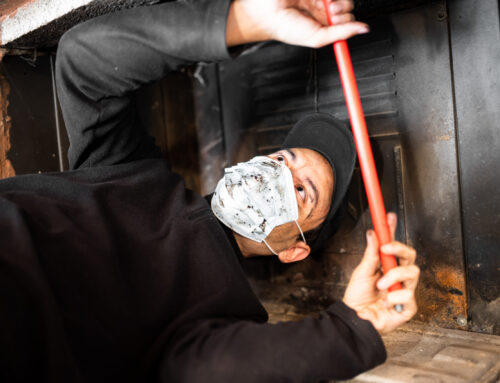
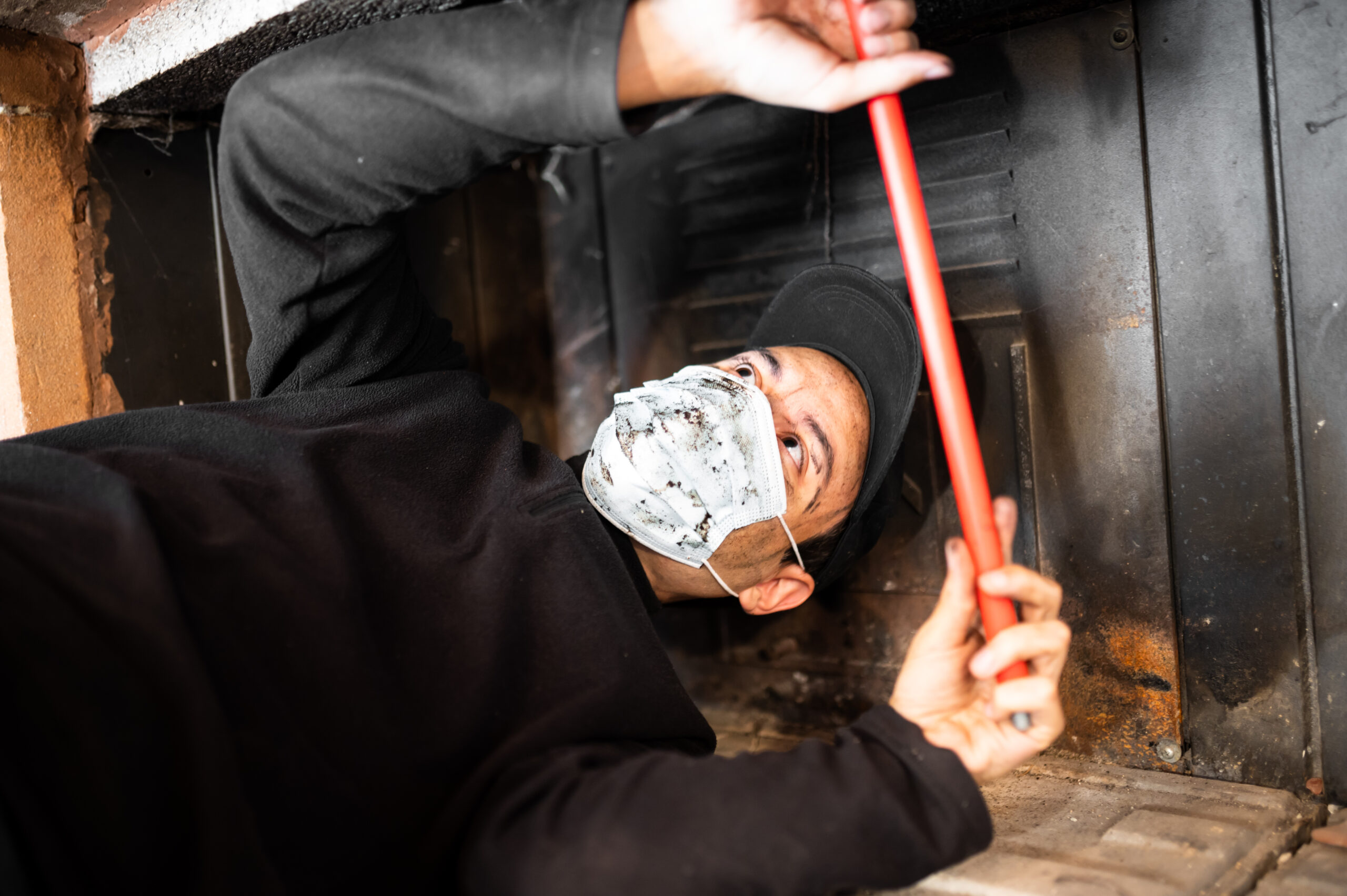
Nothing beats a complete clean and safety check. Elite Chimney uses professional tools to remove soot and creosote from the firebox, smoke chamber, and flue. A certified chimney sweep also inspects for cracks, gaps, or missing mortar joints that can trap odor and leak air. Most homeowners schedule this service yearly, ideally before or after the burn season. If your fireplace smells like smoke in summer, cleaning now will make a clear difference.
Install or upgrade your chimney cap and damper
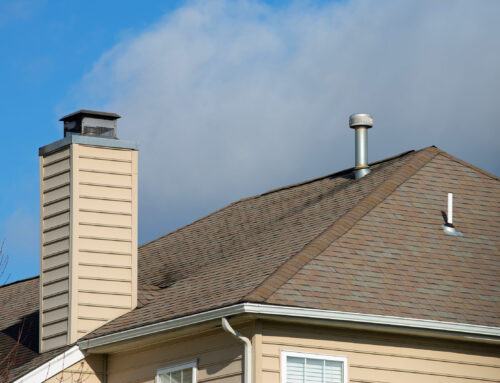
A quality stainless steel or copper cap keeps out water and wildlife. Pair it with a top-sealing damper that closes at the flue top. Together they create a weather-tight seal and reduce the stack effect that brings odors down in hot weather. Many older homes still rely on loose throat dampers that do not seal well. Upgrading is one of the highest value fixes you can make.
Chimney liner installation or relining
A damaged or unlined flue can leak odors into the home and allow moisture to linger. A properly sized stainless steel liner improves draft in winter, enhances safety, and helps control smell in summer. Liners also protect masonry from acidic byproducts and extend the life of the system. Elite Chimney installs and maintains liners that match your appliance and code requirements.
Stop water intrusion with repairs and waterproofing
Water is a top cause of summer chimney odor. Elite Chimney repairs crowns, replaces cracked mortar joints, and seals flashing where the chimney meets the roof. Masonry waterproofing adds a breathable barrier that sheds rain while allowing moisture to escape. When the chimney stays dry, smoke odors fade faster and do not return when the weather turns humid.
Smoke chamber and firebox refacing
Rough surfaces trap soot and smell. Parge coating in the smoke chamber smooths airflow and reduces residue buildup. Fireplace refacing can renew cracked firebrick and update the look of your hearth. The result is a cleaner system that is easier to maintain and less likely to release odor during summer.
Gas fireplaces and gas log sets
A gas unit can also smell in summer, especially if dust, pet hair, or debris sit on burners or logs. Sometimes the smell comes from the vent or termination cap. Elite Chimney services gas fireplaces and gas log sets, cleans burners, checks gaskets, and verifies that the venting is clear and sized right. If you smell gas, shut the appliance off and call a professional right away.
Signs your chimney needs service now
- Strong campfire smell even with the damper closed
- Visible soot streaks or white efflorescence on the chimney
- Damp or musty odor after rain
- Drafts felt at the fireplace opening on hot days
- Scratching sounds or nesting materials in the flue
- Loose bricks, cracked crown, or damaged flashing at the roofline
How Elite Chimney solves summer fireplace odors
Elite Chimney LLC is a local, certified chimney sweep serving Southeastern Wisconsin and Northeastern Illinois. We focus on safety, value, and clear communication. Our team keeps overhead low so you get expert service at a competitive price. If your fireplace smells like smoke in summer, we bring proven solutions and honest advice to your home.
Services we offer
- Chimney Cleaning and Inspection, thorough sweeping and detailed safety checks for wood and gas systems
- Chimney Liners, installation and maintenance for proper draft, safety, and odor control
- Chimney Leaks, repair and prevention to stop water damage and musty smells
- Chimney Caps and Dampers, quality products that block rain, animals, and summer downdrafts
- Chimney Rebuilding, structural restoration for damaged or aging stacks
- Gas Fireplaces and Gas Log Sets, cleaning, tuning, and safe operation checks
- Fireplace Refacing, functional and visual upgrades that also reduce soot retention
Where we work
Elite Chimney proudly serves homeowners across our region. If you live nearby and your fireplace smells like smoke in summer, we are ready to help.
- Wisconsin, Kenosha County, including Kenosha, Pleasant Prairie, Bristol, Salem, and nearby communities
- Wisconsin, Racine County, including Racine, Mount Pleasant, Waterford, and surrounding areas
- Illinois, Lake County, including Zion, Waukegan, Gurnee, Lake Forest, Highland Park, Libertyville, and neighboring cities
Why homeowners choose Elite Chimney
- Certified Chimney Sweep, training that meets high industry standards and current codes
- Local expertise, solutions tailored to Midwest weather and housing styles
- Clear pricing, competitive rates without unnecessary overhead
- Respect for your home, clean work, protective floor coverings, and thorough cleanup
- Actionable reports, photos and recommendations you can trust
Safety tips while you plan service
- Install smoke and carbon monoxide detectors on every level of your home
- Keep the damper closed when not in use, and use a tight-fitting screen or glass doors to limit airflow
- Store wood outside, off the ground, and covered to reduce creosote buildup during the next burn season
- Avoid burning soft, wet, or treated wood
- Schedule cleaning and repair before the first cold snap to avoid the fall rush
Frequently asked questions
Is the summer smoke smell dangerous?
The smell itself is unpleasant, but it can point to creosote buildup, moisture problems, or airflow issues. These can become safety hazards once you light the first fall fire. A certified inspection will find the cause and fix it before the heating season.
How fast can the odor go away after cleaning?
Many homeowners notice a big improvement the same day of a professional cleaning, especially when paired with a top-sealing damper and a proper cap. If moisture damage exists, repairs and drying time may be needed for full relief.
Do gel deodorizers or sprays help?
They can mask odor for a short time, but they do not address the source. Activated charcoal and baking soda absorb more effectively, but the lasting solution is cleaning, sealing, and correcting airflow.
Will a glass fireplace door stop the smell?
Glass doors can cut drafts and reduce odor, but they are not airtight. Pairing doors with a well-sealed damper, a cap, and a clean chimney will give you the best result.
How often should I have my chimney cleaned?
The National Fire Protection Association recommends an annual inspection and cleaning as needed. If you burn wood often, have a new appliance, or notice odors or draft issues, schedule service sooner.
Your next steps to a fresher home
If your fireplace smells like smoke in summer, start with simple airflow and odor control steps today. Close the damper, use a fireplace plug, and set out activated charcoal. Then schedule a visit with a certified sweep to remove creosote, stop leaks, and improve the seal at the top of the flue. With the right fixes, your living room will smell clean again, even on the hottest days.
Contact Elite Chimney
Elite Chimney LLC, 2100 82nd Street, Kenosha, WI 53143. Call 262-358-4010 or email contact@elite-chimney.com to schedule your cleaning or inspection. Learn more at https://elite-chimney.com. We are ready to help you breathe easier this summer and enjoy a safer, cleaner fireplace all year long.