
Stage 3 creosote removal is critical when your fireplace shows shiny, tar-like buildup. Learn the risks and safe solutions. Schedule an inspection today. Act now.
If you peek into your firebox or look up your chimney and see a glossy, black, almost glassy layer that looks like hardened tar, stop using the fireplace right away. That slick coating is glazed creosote, also called stage 3 creosote, and it is extremely flammable. Lighting another fire can lead to a dangerous chimney fire in minutes. The best next step is to call a certified pro for stage 3 creosote removal. In Southeastern Wisconsin and Northeastern Illinois, Elite Chimney offers certified inspections, safe removal methods, and repairs that restore your chimney to safe working condition.
What That Shiny Black Tar Really Means
Creosote is a byproduct of burning wood. Under certain conditions, smoke cools and condenses on the chimney walls, building up layer after layer. Early on, creosote is dusty or flaky. With more heat and time, it becomes sticky and tar-like. In the final stage, it hardens into a shiny, glassy glaze that clings to tiles or metal liners and can be very difficult to remove. This last stage is what many homeowners describe as black tar inside the fireplace.
The Three Stages of Creosote
- Stage 1: Sooty or powder-like buildup that is relatively easy to brush away.
- Stage 2: Crunchy or flaky layers that look like chips or flakes. Takes more effort to remove.
- Stage 3: Glazed creosote with a shiny, hard, tar-like surface that resists normal sweeping and can ignite quickly.
Stage 3 creosote does not just reduce airflow. It acts like solid fuel glued to your chimney. When it lights off, it can burn at extreme temperatures and damage the liner, tiles, or even surrounding framing. That is why stage 3 creosote removal should be scheduled as soon as you see it or suspect it.
Why Stage 3 Creosote Is So Dangerous
- Extreme fire risk: Glazed creosote can ignite with a single hot ember. Once burning, it can lead to loud roaring and intense heat.
- Liner and masonry damage: High temperatures can crack clay tiles, warp metal liners, and weaken mortar joints.
- Carbon monoxide risk: Blockages and damaged flues raise the chance of smoke spillage and CO entering living spaces.
- Insurance and safety concerns: After a chimney fire, many insurers require professional inspection and repairs before you can use your fireplace again.
- Persistent smoke problems: Even if it does not ignite, heavy glaze restricts draft and can cause poor performance and strong odors.
Common Signs You May Have Stage 3 Creosote
- Shiny, black, hardened coating on flue tiles or metal liner that looks like tar or glass.
- Thick layers that a normal chimney brush will not budge.
- Heavy, sharp odor that lingers even when the fireplace is not in use.
- Smoke rolling back into the room, slow-starting fires, or difficulty keeping a flame.
- Visible flakes that look like broken black glass in the firebox or cleanout.
- History of low, smoldering fires or burning unseasoned wood.
If any of these fit what you are seeing, pause all use and book an inspection. Elite Chimney can confirm the stage of buildup and explain safe removal options for your system.
Why DIY Creosote Removal Can Be Risky
Some jobs are fine for a handy homeowner, but stage 3 creosote is not one of them. Here is why going it alone can cause more harm than good.
- Household brushes and rods cannot cut through glaze, so you may think you cleaned it when the worst remains.
- Aggressive scraping can crack or gouge clay tiles and distort metal flues, which creates new hazards.
- Chemical shortcuts are not a quick fix. Many do not affect glaze at all. Others can release fumes or leave residue if misused.
- Improper dust control spreads soot and contaminants through living areas.
- You could miss hidden damage, like a cracked liner or loose tiles, that only shows up with a camera inspection.
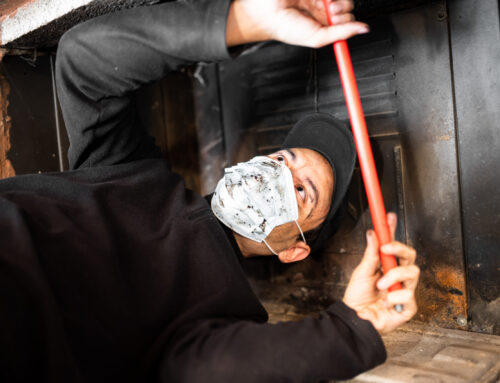
Certified chimney sweeps have the training and specialized tools to remove glazed creosote while protecting your home and the chimney itself. Elite Chimney uses proven methods and inspection technology to make sure the job is complete before you use your fireplace again.
How Professional Stage 3 Creosote Removal Works
No two chimneys are the same, but the overall process follows a careful plan designed to protect your home and restore a safe, open flue. Here is what you can expect when you call Elite Chimney for stage 3 creosote removal.
- Safety check and setup: The crew protects floors and furnishings, isolates the work area, and sets up a high-efficiency vacuum to capture fine soot.
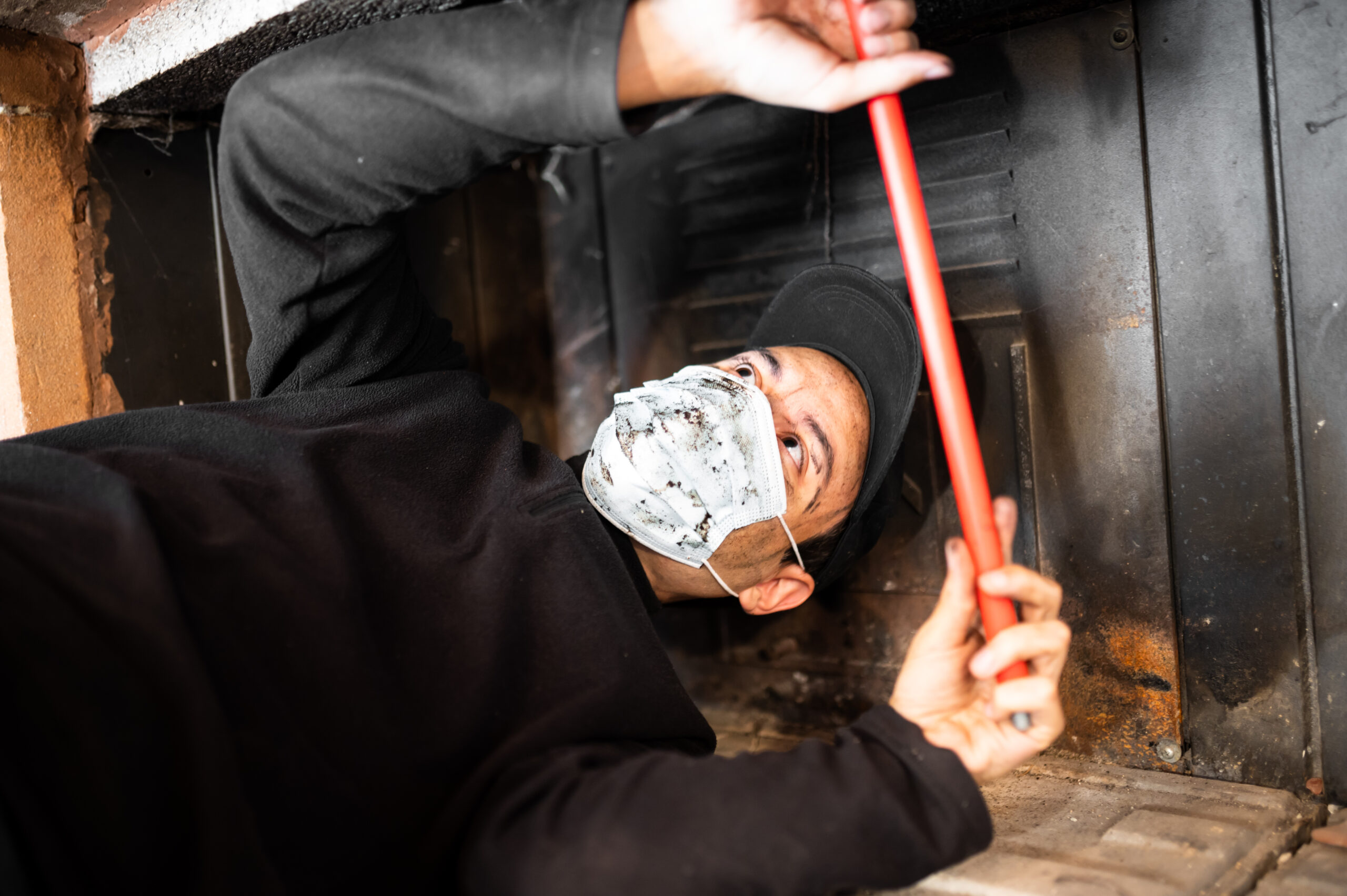
- Full inspection: A certified technician evaluates the firebox, smoke chamber, damper, flue, and cap. Video cameras are used to assess glaze thickness and any hidden defects.
- Removal plan: Based on what they see, the team chooses the right tools and techniques. This may include rotary chain systems, cable whips, specialized scrapers, or approved glaze modifiers used by professionals.
- Mechanical removal: Technicians use powered rotary tools to fracture the glaze in controlled passes. The goal is to break the bond without damaging the liner. A HEPA vacuum captures soot and debris as it is dislodged.
- Treatment phase if needed: In some cases, a professional-grade product is applied to help convert remaining glaze to a brushable substance. This is timed and monitored to prevent mess and maximize results.
- Detailed brushing and cleanup: After the glaze is fractured and loosened, the flue is brushed, the smoke chamber is hand-scraped, and all debris is contained and removed.
- Follow-up camera inspection: A second video sweep confirms the flue is clean, open, and free of visible damage. If issues are found, your technician will show you the footage and explain next steps.
- Documentation and recommendations: You will receive findings, photos or video, and a clear plan for any repairs or upgrades, such as relining or a top-sealing damper.
This careful approach is what makes professional stage 3 creosote removal both effective and safe. It is not just about clearing buildup. It is also about making sure the chimney can vent properly and protect your home in the future.
When Relining or Rebuilding Is the Right Move
Sometimes the glaze and heat have already harmed the flue. Cracked tiles, missing mortar joints, or warped metal can show up once the creosote is removed. In those cases, your technician may recommend relining or targeted repairs.
- Stainless steel relining: A new stainless liner sized to your appliance restores smooth draft and meets current safety standards. It is a common solution after heavy creosote or a chimney fire.
- Smoke chamber repairs: Parge coating smooths rough surfaces above the firebox, improving flow and reducing future buildup.
- Masonry restoration: Replacing damaged tiles, repairing crowns, and sealing gaps keeps rain, animals, and debris out.
Elite Chimney installs high quality chimney liners and completes masonry repairs that match local codes. After work is complete, a final inspection confirms the flue is ready for use.
How to Prevent Glazed Creosote From Coming Back
Once the chimney is clean and safe, small changes in how you burn and how your system is set up can make a big difference. These tips help keep future creosote in the easier-to-clean stages.
- Burn only seasoned wood: Aim for wood stored at least 6 to 12 months and under 20 percent moisture. Wet wood smokes and feeds creosote.
- Start fires hot and keep them lively: Slow, smoldering fires cause more condensation in the flue.
- Right-size your liner: A liner matched to your fireplace or stove improves draft and reduces cooling of smoke. Elite Chimney can assess sizing.
- Use a top-sealing damper: It helps keep the flue warmer when not in use and reduces downdrafts that carry moisture and smells.
- Schedule annual inspections: A yearly visit from a certified sweep catches small issues before they become stage 3 problems.
- Avoid overnight smoldering: Do not shut down airflow to keep coals burning for too long. It builds heavy creosote.
- Maintain gaskets and doors on stoves or inserts: Leaky gaskets hurt combustion and draft.
Costs, Timing, and Scheduling in Kenosha, Racine, and Lake County
The cost of stage 3 creosote removal depends on the height and shape of your chimney, the thickness of the glaze, and whether repairs or relining are needed. Many jobs take several hours, and complex systems can take a full day or more. After the first inspection, Elite Chimney provides a clear written estimate so you know what is involved. If you live in Kenosha, Pleasant Prairie, Racine, Mount Pleasant, Waukegan, Gurnee, Libertyville, Lake Forest, Highland Park, or nearby, Elite Chimney can schedule prompt service and bring the right equipment to handle heavy glaze safely.
Why Homeowners Choose Elite Chimney for Stage 3 Creosote Removal
Elite Chimney LLC is based in Kenosha, Wisconsin, and serves Southeastern Wisconsin and Northeastern Illinois. The team is a Certified Chimney Sweep, which means your home is cared for by trained professionals who follow industry standards. They are known for expert service, competitive pricing, and straightforward communication.
- Certified technicians who specialize in stage 3 creosote removal and chimney safety.
- Video inspections that show you exactly what is happening inside your flue.
- Modern tools for mechanical removal, dust control, and detailed cleanup.
- Chimney liners, relining, and repairs completed to code with quality materials.
- Local experience with Wisconsin and Illinois climate conditions that influence creosote formation.
- Competitive rates by keeping overhead low and focusing on what matters most.
Elite Chimney Services at a Glance
- Chimney Cleaning and Inspection
- Chimney Liners and Relining
- Chimney Leak Repair
- Chimney Caps and Dampers
- Chimney Rebuilding and Restoration
- Gas Fireplaces and Gas Log Sets
- Fireplace Refacing
Service Areas
Wisconsin
- Kenosha County: Kenosha, Pleasant Prairie, Bristol, Salem, and nearby communities
- Racine County: Racine, Mount Pleasant, Waterford, and surrounding areas
Illinois
- Lake County: Zion, Waukegan, Gurnee, Lake Forest, Highland Park, Libertyville, and nearby cities
Frequently Asked Questions About Stage 3 Creosote
Is it safe to burn one more fire to warm the flue?
No. If you see shiny tar or suspect stage 3 glaze, do not light another fire. Heating it can trigger ignition or release strong odors and smoke into the home. Schedule an inspection first.
Do chimney cleaning logs remove stage 3 creosote?
No. Those products may help loosen light soot, but they are not a fix for heavy glaze. Stage 3 creosote removal requires mechanical methods and professional oversight.
Can gas logs create creosote?
Natural gas does not create creosote like wood does, but installing gas logs in a fireplace that already has creosote does not remove the risk. The existing glaze can still ignite. Have the chimney inspected and cleaned before any fuel change.
How often should I schedule chimney service?
Most homes benefit from a chimney inspection once a year and cleanings as needed. If you burn daily in winter, inspections are especially important. Annual checkups help prevent the conditions that lead to stage 3 buildup.
What if my chimney already had a small fire?
Stop using the appliance and book a certified inspection right away. Even a short event can crack tiles, loosen mortar, or damage a metal liner. Elite Chimney can assess the system and recommend safe repairs.
What To Do Right Now If You See Shiny Black Buildup
- Stop using your fireplace or wood stove.
- Allow the system to cool fully, then keep the area closed to reduce odors.
- Do not scrape or chip at the glaze. You could damage the liner.
- Call a certified sweep for stage 3 creosote removal and inspection.
- Gather recent fireplace history, including wood type and any past smoke issues, to share with the technician.
Ready to make your system safe again? Contact Elite Chimney at 262-358-4010 or email contact@elite-chimney.com to schedule an inspection. You can also visit https://elite-chimney.com to learn more and request service.
About Elite Chimney
Elite Chimney LLC is a professional chimney cleaning and repair company located at 2100 82nd Street, Kenosha, WI 53143. The team serves Southeastern Wisconsin and Northeastern Illinois with certified chimney sweeps who take pride in safe, thorough work. By keeping overhead low and focusing on expert service, Elite Chimney delivers strong value for homeowners who want reliable results. Whether you need routine maintenance, chimney liners, chimney leaks repaired, chimney caps and dampers installed, chimney rebuilding, gas fireplaces, or fireplace refacing, Elite Chimney is ready to help. If you suspect glazed creosote, act now and book stage 3 creosote removal with a trusted local team.
Your Next Step
If the inside of your fireplace looks like shiny black tar, do not light another fire. Stage 3 creosote removal reduces fire risk, improves draft, and protects your home. Elite Chimney brings certified expertise, modern tools, and a customer-first approach to every job. Call 262-358-4010, email contact@elite-chimney.com, or visit https://elite-chimney.com today to schedule your inspection and take back your peace of mind.