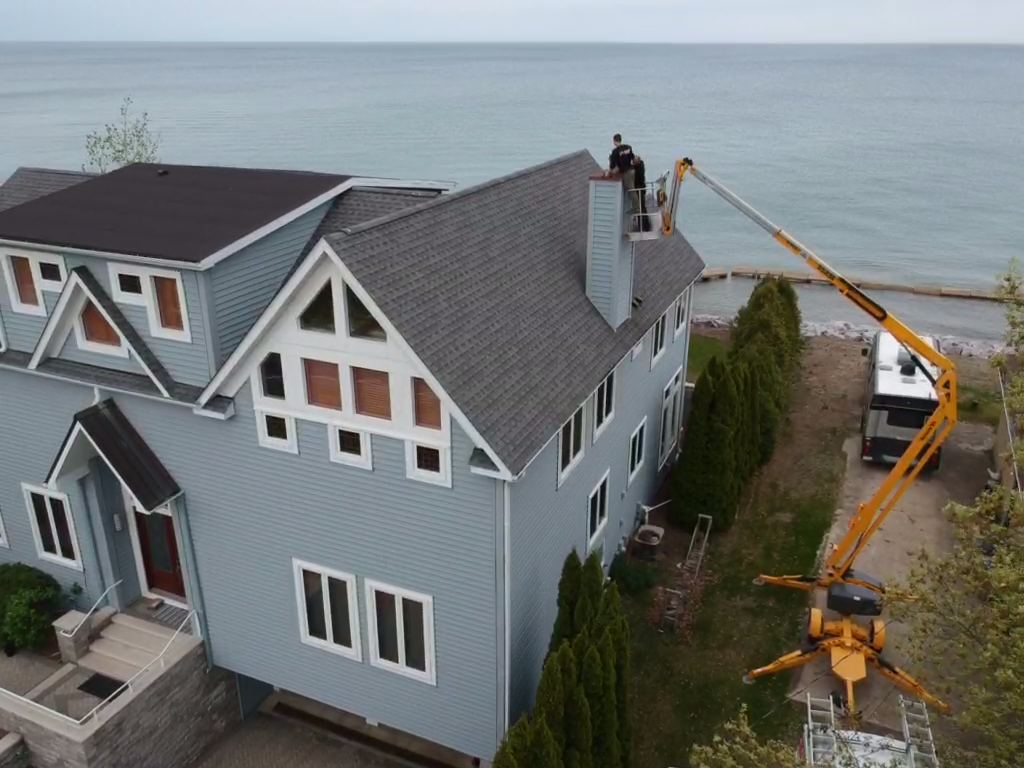
Why 50-year-old homes deserve a fire safety check
Older homes carry stories, charm, and a few surprises. When a house hits the 50-year mark, electrical systems, chimneys, and heating setups may not match modern safety standards. Mortar can loosen. Chimney liners can wear out. Flashing can fail and let water in. Even small gaps or cracks can allow heat and sparks to reach wood framing. If you are about to move into a mid-century home, a careful look at heat, venting, and fire protection is one of the smartest things you can do.
In our service areas across Kenosha, Racine, and Lake County Illinois, Elite Chimney often finds hidden issues during a first-time inspection. Many owners never notice problems until staining appears, the draft gets weak, or a fireplace smokes up the room. This guide explains how to inspect a chimney at a basic level, what to flag for a pro, and how to build a simple move-in fire safety plan. You will get a homeowner-friendly checklist and clear next steps so you can enjoy your new place with confidence.
How to inspect a chimney before you move in
If you want a quick primer on how to inspect a chimney, start with what you can see and smell. While a full Level 2 inspection is best handled by a Certified Chimney Sweep, a careful DIY look can help you decide what to fix before move-in day. The goal is to find red flags early and avoid lighting a fire in a system that is not ready.
Tools to bring for a quick pre-move look
- Bright flashlight and a small inspection mirror
- Smartphone camera and a notepad
- Gloves, safety glasses, and a dust mask
- Step ladder for interior checks only
- Plastic sheet or drop cloth to keep the hearth clean
Step-by-step guide on how to inspect a chimney
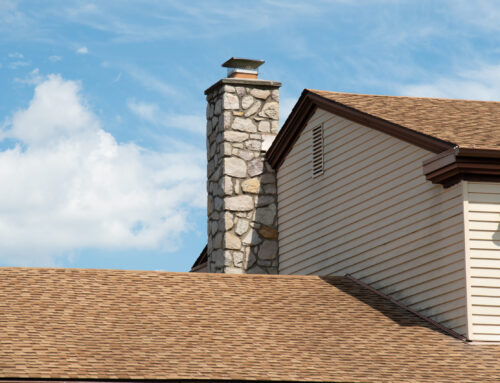
- Look at the exterior from the ground. Scan the chimney stack for leaning, missing bricks, open mortar joints, stains, moss, or spalling brick faces. Check if the crown on top looks cracked. Note if there is a cap with a screen in place.
- Check the roofline area. From the yard, use your flashlight to look for flashing that appears loose or rusty. Look for water stains on siding near the chimney. This can hint at leaks and hidden damage inside the stack.
- Open the damper and test it. Inside the firebox, locate the damper handle. Open and close it fully. It should move freely and seal when shut. A stuck or warped damper wastes energy and can let smoke spill indoors.
- Scan the firebox and smoke chamber. Use your flashlight on the masonry inside the fireplace. Look for crumbling firebrick, missing mortar, heavy black soot, or glazed shiny buildup. Shine the light up past the damper into the smoke chamber for rough patches, gaps, or hanging tiles.
- Check the flue liner if visible. Many 50-year-old homes have clay tile liners. If you can see the liner from the firebox, note any cracks, missing tiles, or shifted joints. A damaged liner is a top fire hazard.
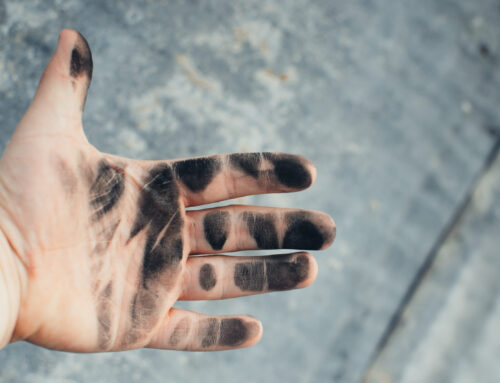
- Smell for creosote and smoke odor. A strong tar-like smell often means heavy creosote. If you plan to use the fireplace, cleaning is likely needed before the first fire.
- Inspect for clearances to combustibles. Check around the mantel, trim, and built-ins. Wood should not show heat damage or darkening. Review the hearth extension depth. Shallow hearths can let embers reach flooring.
- Look at gas lines and log sets if present. For gas fireplaces or gas logs, ensure the gas shutoff is accessible. Note any rust, loose connections, or soot patterns. Gas systems need a pro test before use.
- Check the attic or chase if accessible. In the attic, look for framing that is too close to the chimney, signs of scorching, or water stains. Clearance to wood is critical. If you have a factory-built metal chimney, confirm required space around the pipe.
- Review smoke and carbon monoxide alarms. Every level and each sleeping area needs working smoke alarms. Place carbon monoxide alarms near bedrooms and where fuel-burning appliances are located.
Red flags that mean stop and call a pro
- Glazed black creosote that looks like shiny tar
- Cracks or gaps in the flue liner or missing tiles
- Leaning chimney, crumbling bricks, or loose mortar
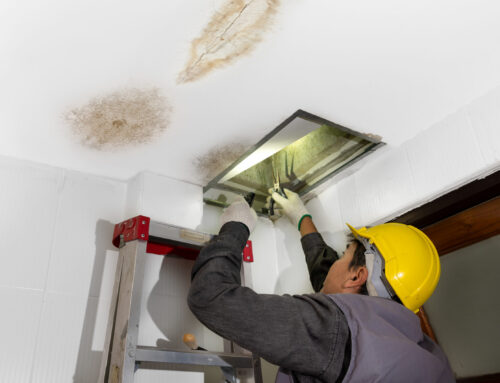
- Water stains, damp smells, or mold near the chase or mantle
- Soot stains on walls near the fireplace opening
- Animals or nesting material inside the flue
- Backdrafting from a water heater or furnace vent
If any of these show up during your DIY review, schedule a professional Level 2 inspection. Elite Chimney is a Certified Chimney Sweep, and our team performs thorough inspections and cleanings across Southeastern Wisconsin and Northeastern Illinois.
The move-in fire hazard checklist for a 50-year-old home
Use this checklist to spot common risks in older homes before you unpack.
Living room and hearth area
- Hearth extension meets code for your firebox opening size
- Mantel, trim, and shelves have safe clearance to the opening
- Fireplace doors or screen fit securely and open smoothly
- Firebox bricks and mortar are intact with no missing joints
- Damper operates and seals when closed
- Smoke chamber is smooth without heavy soot chunks
- Flue shows no visible cracks, gaps, or fallen tiles
- Chimney cap present with mesh screen to keep animals out
- Top-mount damper or throat damper working if present
- Fire extinguisher mounted near, not on, the hearth
Basement and utility spaces
- Furnace and water heater vents are connected and backdraft-free
- Metal vent pipes have screws at each joint and proper slope
- No white powdery residue on chimney exterior near appliances
- No rust streaks, water stains, or damp odors along the base of the chimney
- Dryer vent is rigid metal, not plastic, and is clear of lint
Attic and roof
- Chimney maintains proper clearance to framing and insulation
- No darkened or scorched wood near the chimney chase
- Flashing looks sealed and secure with no daylight gaps
- Chimney crown seems solid without wide cracks
- Cap is tight with no missing screws or bent screens
Kitchen and garage
- Range hood filters are clean and grease free
- No extension cords used as permanent wiring
- Combustibles stored away from water heaters and boilers
- Fire extinguisher accessible and rated for grease and electrical fires
Bedrooms and hallways
- Smoke alarms tested and replaced if older than 10 years
- Carbon monoxide alarms installed on every level and near sleeping areas
- Windows open easily for emergency egress
Chimney liners, caps, and dampers explained
If you want to learn how to inspect a chimney like a pro, focus on the liner. The liner is the fire-resistant channel that carries smoke and gases out of the home. Many 50-year-old houses have clay tile liners that can crack with age. A damaged liner raises the risk of heat transfer to wood framing and can leak dangerous gases.
Relining with stainless steel often solves safety and performance issues. It can improve draft, support wood or gas use, and bring older systems closer to modern standards. A chimney cap with a screen blocks rain, debris, and animals. A top-sealing damper adds energy savings by closing off the flue at the top when not in use. Elite Chimney installs and maintains liners, caps, and dampers, and we tailor each setup to the fireplace or appliance.
How Elite Chimney supports safer move-ins
Elite Chimney LLC is based in Kenosha and serves Southeastern Wisconsin and Northeastern Illinois with certified chimney cleaning and repair. Our team keeps overhead low and invests in training and tools. That means you get expert work at a fair price. We clean, inspect, reline, repair leaks, install caps and dampers, rebuild damaged stacks, service gas fireplaces and gas log sets, and offer fireplace refacing for a fresh look.
Service areas include Kenosha, Pleasant Prairie, Bristol, Salem, Racine, Mount Pleasant, Waterford, Zion, Waukegan, Gurnee, Lake Forest, Highland Park, Libertyville, and nearby communities. If you are moving into a 50-year-old home anywhere in these counties, we can help you confirm chimney safety before your first fire. Call 262-358-4010, email contact@elite-chimney.com, or visit https://elite-chimney.com to schedule.
Cleaning, repair, or rebuild: what your chimney needs
As you learn how to inspect a chimney, you will notice patterns that point to different solutions. Thick creosote calls for cleaning. Isolated mortar gaps or a cracked crown may need targeted repair. Widespread cracking, spalling bricks, or a leaning stack could mean a partial or full rebuild. Elite Chimney performs honest assessments and shows photos and videos so you can see the condition yourself.
We also check for hidden water entry. Leaks can start at the crown, the cap, the flashing, or even porous brick faces. Water weakens mortar, washes out joints, and damages ceilings and walls. Stopping water early is one of the best ways to extend the life of your chimney.
Gas fireplaces and gas log sets in older homes
Many mid-century houses have been upgraded with gas inserts or gas logs. These systems burn cleaner than wood but still require careful venting and sealing. If you have a gas setup, confirm the vent type, glass condition, and the integrity of gaskets. Make sure the pilot and ignition work and that the flame pattern looks even and stable. Any soot on glass can point to issues with air or fuel mix. Elite Chimney installs and services gas fireplaces and log sets and can verify safe operation before move-in.
Water is the enemy of safe chimneys
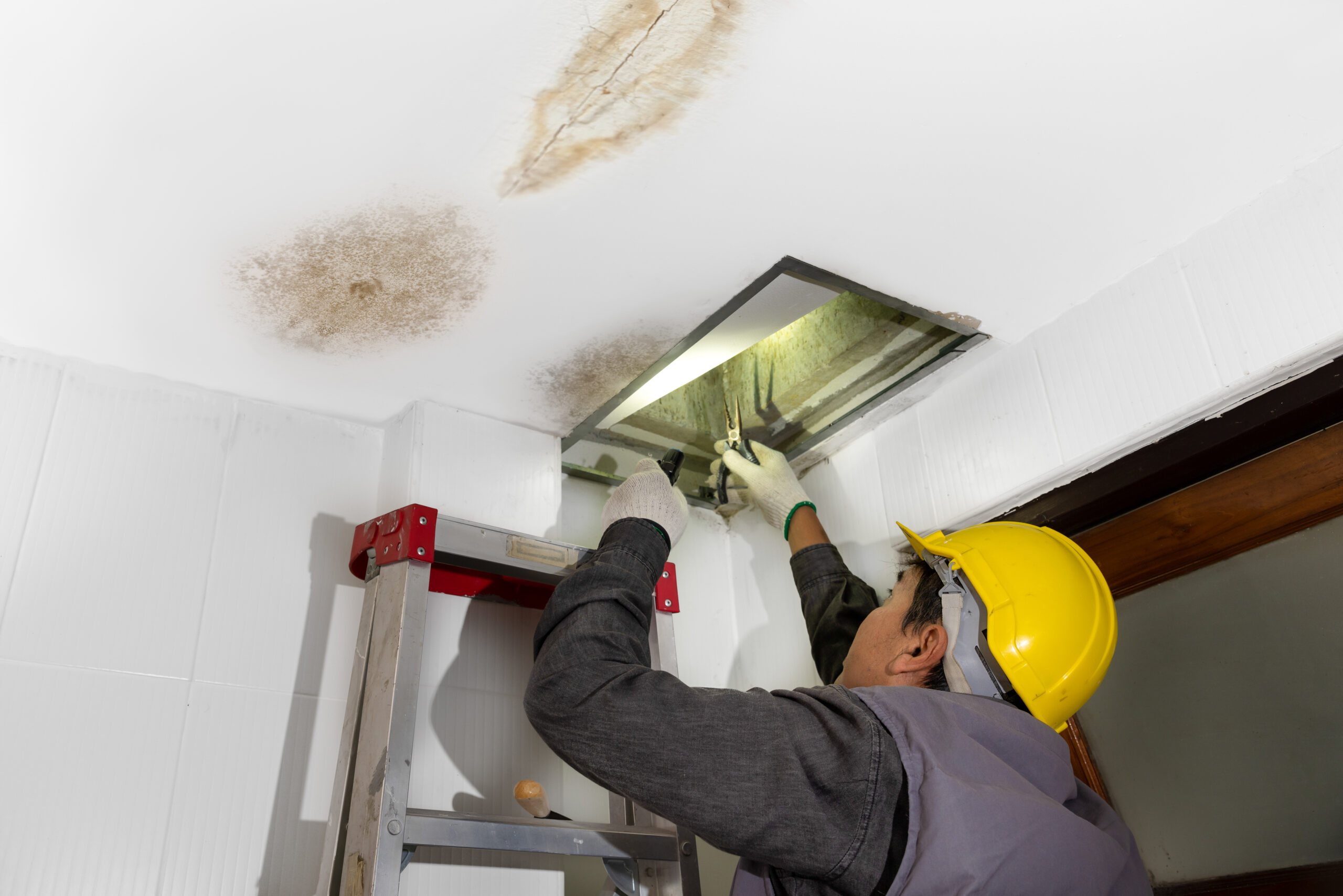
Moisture is behind many chimney hazards in 50-year-old homes. Signs include white efflorescence on brick, musty odors, rusted damper parts, and ceiling stains near the chimney. Freeze and thaw cycles expand small cracks into big ones. A proper crown sheds water. A stainless cap with a drip edge reduces rain entry. Flashing should lock into mortar joints and seal to the roof. We repair leaks at the source and can apply breathable waterproofing to resist future damage.
FAQs about how to inspect a chimney
How often should a chimney be inspected?
The safest plan is once a year and anytime you buy a home. If you moved into a 50-year-old house, schedule a professional inspection before your first fire.
What is the difference between a Level 1 and Level 2 inspection?
Level 1 covers accessible parts of the chimney and appliance with basic tools. Level 2 adds video scanning of the flue and checks in attics, crawl spaces, and basements. It is recommended when buying a home, after a change in fuel or appliance, or after a chimney fire.
Can I use my fireplace if I see a few cracks?
No. Even small cracks can expose wood framing to heat. Stop and call a Certified Chimney Sweep to assess damage and recommend proper repairs or relining.
Do gas fireplaces need cleaning?
Yes. Dust, pet hair, and debris can affect performance. Vents and logs need routine service to prevent soot and carbon monoxide issues.
How can I tell if creosote is dangerous?
All creosote is a concern, but the glazed, shiny kind is especially risky because it can ignite. If you see heavy buildup, do not burn until it is removed by a professional.
Move-in day fire safety to-do list
- Test smoke and carbon monoxide alarms and replace weak batteries
- Place fire extinguishers in the kitchen, garage, and near the hearth
- Review your home’s exits and set a family escape plan
- Schedule a professional chimney inspection and cleaning if needed
- Have furnace and water heater vents checked for proper draft
- Clear brush, branches, and debris at least 10 feet from the home
- Store firewood outdoors, never against the house or near the hearth
Why homeowners choose Elite Chimney
Elite Chimney brings certified skill and local pride to every job. We show up on time, protect your floors, and share clear findings with photos. Because we keep overhead lean, we pass savings on to you without cutting corners. From Kenosha to Racine to Lake County Illinois, our clients trust us for honest advice and dependable work. Whether you need chimney cleaning and inspection, liners, leak repair, caps and dampers, rebuilding, gas fireplace service, or fireplace refacing, we are ready to help.
Ready to book a professional inspection?
If you are moving into a 50-year-old home, do not guess about fire safety. Know it. Now that you understand how to inspect a chimney at a basic level, take the next step and schedule a certified evaluation. Elite Chimney LLC is located at 2100 82nd Street, Kenosha, WI 53143. Call 262-358-4010, email contact@elite-chimney.com, or visit https://elite-chimney.com. We serve Kenosha County, Racine County, and Lake County in Illinois with expert chimney care at competitive prices.