Stop Water Damage Before It Starts
Here are chimney water leak signs you can spot before you ever see a ceiling stain. Learn how flashing, caps, and masonry give early clues so you can prevent damage and schedule an inspection. Elite Chimney is here to help you act fast and protect your home.
Why Chimney Leaks Matter More Than You Think
A slow chimney leak rarely shows up as a big drip at first. Water often sneaks in through small gaps and hairline cracks. It can rust metal parts, rot framing, weaken mortar, and feed mold. In winter, trapped moisture freezes and expands, which pushes bricks apart and makes cracks worse. By the time a ceiling stain appears, the damage may already be serious. Catching subtle chimney water leak signs early saves money and avoids major repairs.
Early Chimney Water Leak Signs You Can Spot Outside
Look at the Chimney From the Yard
- Damaged or loose flashing where the chimney meets the roof. Step flashing and counterflashing should lie tight and overlap cleanly. Gaps or lifted sections are common leak points.
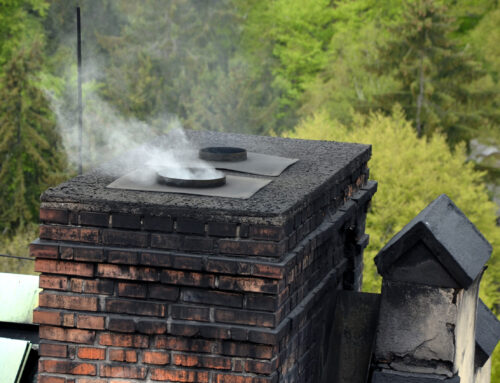
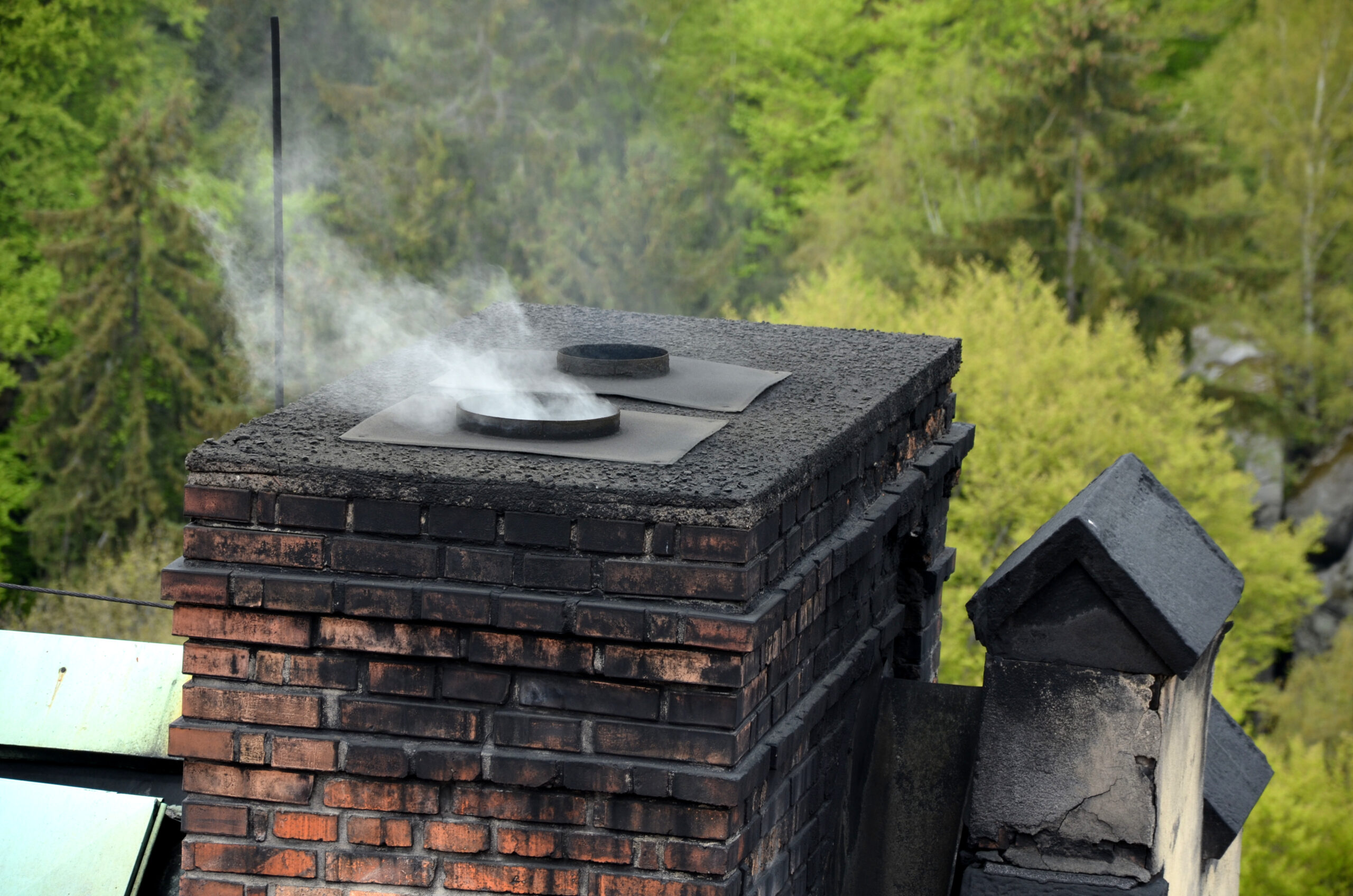
- Cracked or crumbling chimney crown. The crown is the sloped concrete top that sheds water. Hairline cracks and flat, ponding areas let water soak into the flue and masonry.
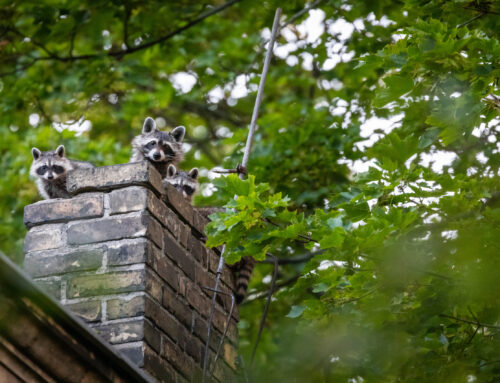
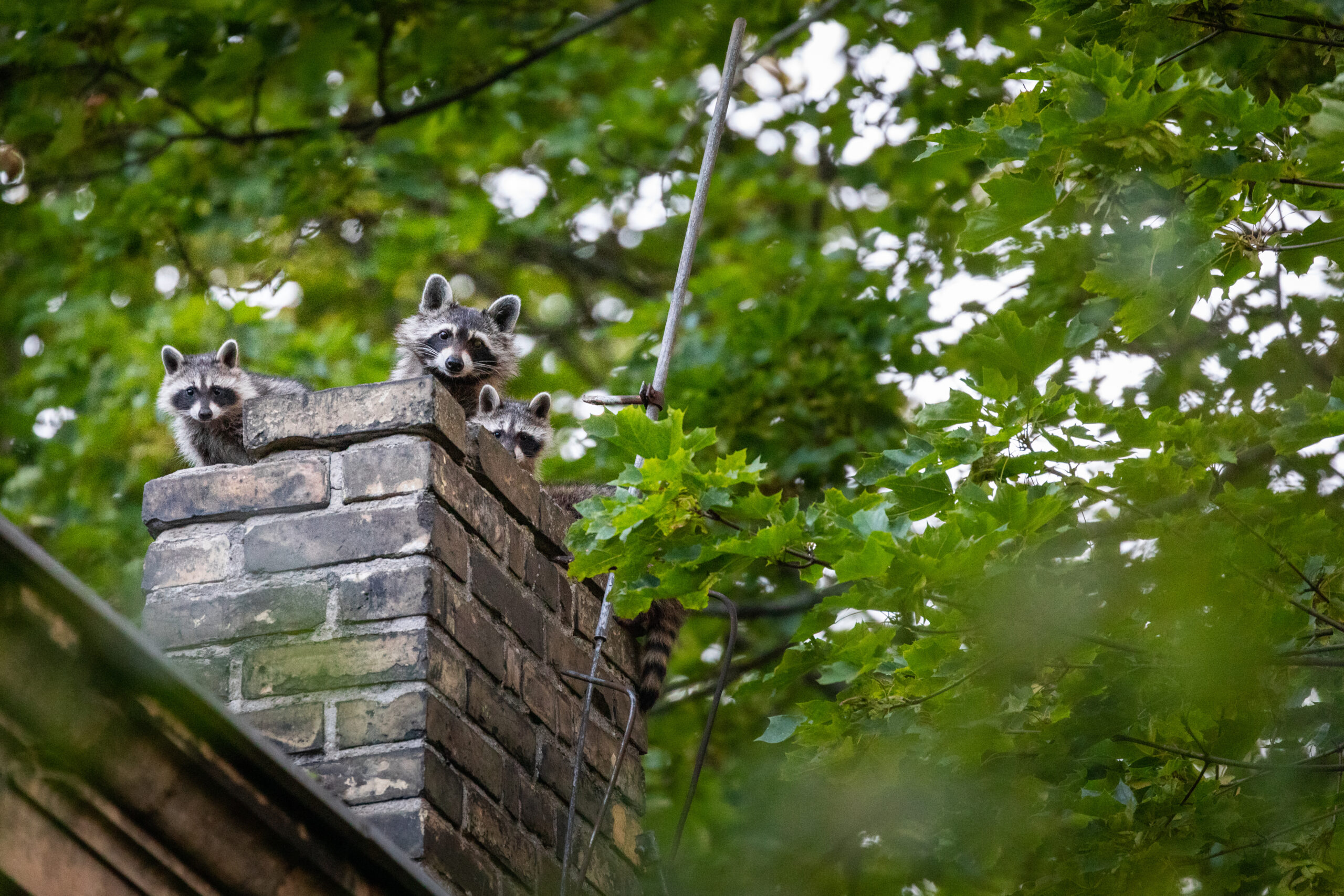
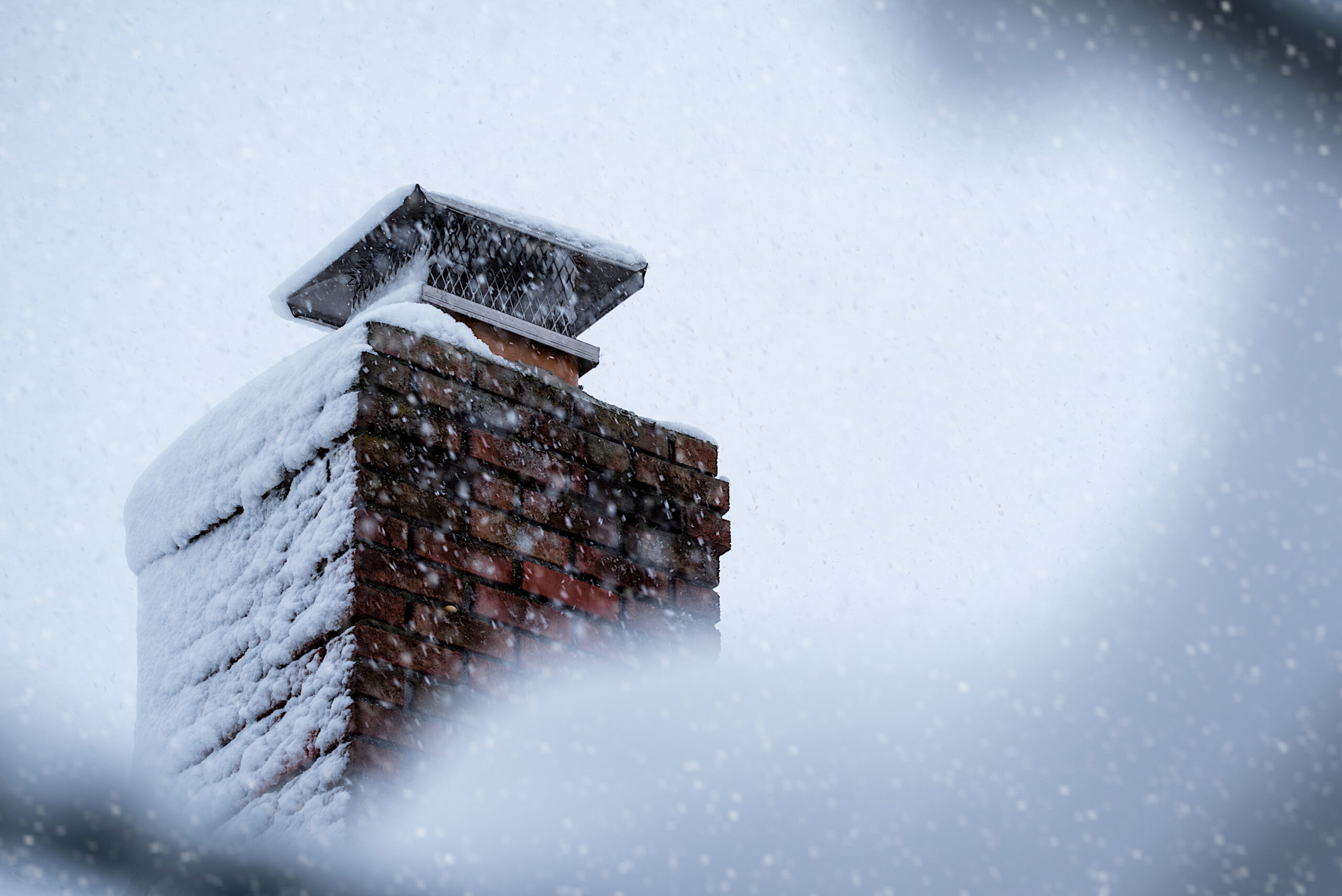
- Missing or undersized chimney cap. A cap deflects rain and keeps animals out. Without a proper cap and spark screen, water can go straight into the flue.
- Efflorescence on brick. White, chalky deposits mean water is moving through the masonry and bringing salts to the surface.
- Spalling bricks or flaking faces. When brick faces pop or flake off, moisture and freeze cycles are usually to blame.
- Open mortar joints. Mortar that looks recessed, cracked, or missing creates channels for water to travel down into the chimney.
- Moss or algae growth on the chimney or near the flashing line. Persistent growth hints at constant moisture.
- Rust streaks on metal chase covers or sides of a prefab chimney. Orange or brown staining signals water pooling and thin or failing metal.
- Stained siding near the chimney chase. Water that runs behind trim or siding can leave dirty trails and soft spots.
- Loose or rattling cap during wind. Movement means poor fit or failing screws and can open a path for rain to enter.
Early Chimney Water Leak Signs You Can Spot Inside
Check the Firebox, Damper, and Nearby Walls
- Rust on the damper or fireplace doors. Even light rust is a classic clue that moisture is getting inside the chimney.
- Musty or damp odor after rain. A fresh, earthy smell coming from the fireplace means moisture is present and may be feeding mold.
- Dark stains, flaking, or crumbling in the firebox. Water can leave mineral rings and cause firebrick or refractory panels to weaken.
- Clumpy ash or hardened soot. Ash that sticks together often absorbed moisture between fires.
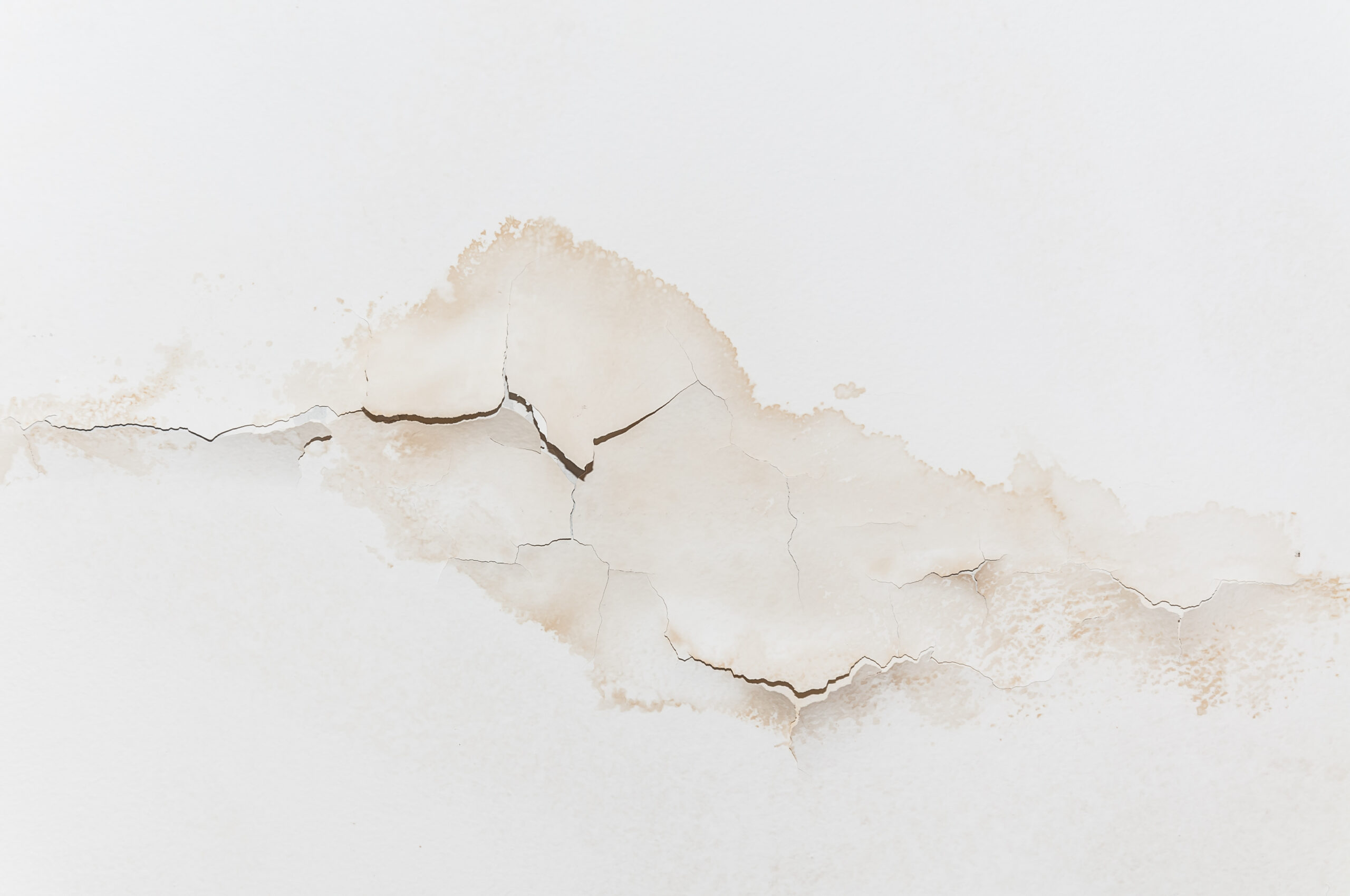
- Peeling paint or bubbling drywall above the mantel or near the chimney chase. Paint may start to bubble long before a full stain appears.
- Warped trim or soft wood around the hearth or mantle. Wood absorbs moisture early and can warp or discolor.
- Cold drafts and whistling around the fireplace during wind. Water damage and gaps sometimes change airflow and increase drafts.
- Staining on attic rafters where the chimney passes through. A quick attic check after rain can reveal early water trails or damp insulation.
- Wet insulation around the chimney in the attic. This is a clear signal water is entering and spreading horizontally.
- Water streaks on the smoke shelf or back wall when viewed with a flashlight. These can show up as dark, damp lines or shiny patches.
Why Leaks Happen: Common Entry Points
Chimney systems have several layers and parts that each need to shed water. If even one part fails, water can find its way inside. The most common weak spots include the flashing and counterflashing, the chimney crown, the mortar joints and bricks, the cap or chase cover, and the flue liner connections. Poor original construction, storms, settling, and freeze-thaw cycles all increase the risk. Elite Chimney sees these issues often in Southeastern Wisconsin and Northeastern Illinois, and our team knows how to track the source before damage spreads.
DIY Checks You Can Do in 10 Minutes
- Walk the yard and look up at the chimney. Scan for leaning, missing mortar, cracked crown, and a cap that sits crooked.
- Use binoculars to view the flashing line. Look for lifted edges, gaps, or sealant that looks dry and cracked.
- After a rain, smell near the fireplace. Musty odors and cool, damp airflow are early warnings.
- Open the damper and look with a flashlight. Check for rust, water droplets, dark stains, or mineral rings.
- Peek into the attic where the chimney passes through. Look for damp wood, stained sheathing, or wet insulation.
- Gently tap bricks and mortar with the handle of a screwdriver. Hollow sounds or crumbling joints suggest water intrusion.
- If you have a metal chase cover, check for oil canning, standing water, or rust. These lead to future leaks.
If any of these quick checks reveal problems, schedule a professional inspection. Elite Chimney offers chimney cleaning and inspection services that pinpoint moisture issues and provide a clear plan for repairs.
Wisconsin and Illinois Weather Makes Leaks Worse
Homes in Kenosha, Racine, and Lake County face wide temperature swings, wind-driven rain, lake-effect snow, and frequent freeze-thaw cycles. Water seeps into tiny cracks during warmer hours and freezes at night, which forces the cracks wider. Spring and fall storms can drive rain under loose flashing and push water sideways into masonry. Salt from winter roads and lake air can also speed corrosion on metal parts like chase covers and dampers. If you live in Pleasant Prairie, Waukegan, Gurnee, or nearby cities, staying ahead of chimney water leak signs is especially important.
Repairs and Upgrades That Stop Chimney Leaks
Targeted Fixes
- Flashing repair and new counterflashing. Properly stepped and counterflashed seams keep water out where the chimney meets the roof.
- Crown rebuild or crown sealing. A well-formed concrete crown with the right slope and drip edge sheds water instead of soaking it in.
- Chimney cap installation. A full-coverage stainless steel cap with screen blocks rain, animals, and debris.
- Mortar repointing. Removing weak mortar and installing new mortar restores the wall’s water resistance.
- Chimney waterproofing. Vapor-permeable sealers protect masonry from rain while allowing moisture inside to escape.
- Stainless steel chase cover replacement. For prefab chimneys, a custom-fit, welded, sloped cover prevents pooling and rust.
- Cricket installation. On the uphill side of wide chimneys, a small roof cricket diverts water around the structure.
- Liner repairs. Properly sealed liners reduce condensation and help stop water from finding pathways into the chimney shell.
Elite Chimney provides all of these solutions, customized to the age and construction of your chimney. Our Certified Chimney Sweeps follow industry standards to ensure water is diverted away from every vulnerable area.
How Elite Chimney Finds the Source of a Leak
Every leak has a pattern. Our inspection process looks at the whole system, not just the obvious crack. First, we review the exterior from the roofline to the crown and cap. We examine flashing, brick, mortar joints, and the crown. Next, we check the flue, smoke chamber, and firebox for staining, rust, or signs of pooled water. We often run a camera in the flue to spot hidden gaps, liner defects, or interior cracks. If needed, we perform targeted water testing to confirm the path water takes during rain. Finally, we provide a clear report with photos, repair options, and fair pricing.
When to Call a Pro Right Away
- You see water droplets or a puddle in the firebox after rain.
- The damper is rusted or stuck.
- Bricks are spalling or mortar is falling out.
- You smell strong musty odors from the fireplace.
- You notice dark stains above the mantel or in the attic near the chimney.
- The cap is missing or blown loose.
- Your chase cover is rusting through.
These chimney water leak signs suggest active leakage that can spread quickly. Elite Chimney can inspect, diagnose, and repair before the damage reaches framing or ceilings.
Why Homeowners Choose Elite Chimney
Elite Chimney LLC is a local, professional chimney company based in Kenosha, Wisconsin. We serve Southeastern Wisconsin and Northeastern Illinois with expert service at competitive prices. Our team of Certified Chimney Sweeps follows strict industry standards and delivers clear communication at every step. Because we keep overhead low, we pass savings on to you without cutting corners. Whether you need a simple cap replacement or a full chimney rebuild, Elite Chimney provides dependable work you can trust.
Our Core Services
- Chimney Cleaning and Inspection for safety and peak performance.
- Chimney Liners for better drafting, safety, and efficiency.
- Chimney Leak Repairs to stop water and prevent structural damage.
- Chimney Caps and Dampers to block rain, debris, and animals.
- Chimney Rebuilding to restore old or damaged structures.
- Gas Fireplaces and Gas Log Sets for comfort and convenience.
- Fireplace Refacing to refresh the look and function of your hearth.
Service Areas
Wisconsin
- Kenosha County: Kenosha, Pleasant Prairie, Bristol, Salem, and surrounding areas.
- Racine County: Racine, Mount Pleasant, Waterford, and more.
Illinois
- Lake County: Zion, Waukegan, Gurnee, Lake Forest, Highland Park, Libertyville, and nearby cities.
Frequently Asked Questions About Chimney Leaks
Do I need a chimney cap?
Yes. A properly sized cap helps keep rain, animals, and debris out. It is one of the easiest ways to reduce water entry. If you do not have a cap or yours is damaged, water can travel straight down the flue and into your firebox or smoke chamber.
Is white residue on my chimney bad?
The white residue is usually efflorescence. It means moisture is moving through the masonry and bringing salts to the surface. Efflorescence is a clear warning sign. It often points to leaks around the crown, cap, mortar joints, or flashing.
Can I just seal the chimney and call it good?
Waterproofing can help, but it should not cover up structural issues. Cracked crowns, failed flashing, and missing caps need proper repairs first. After that, a vapor-permeable sealer adds protection. Elite Chimney can advise on the right steps for your chimney.
How often should I have my chimney inspected?
Once a year is best, especially in our climate. Annual inspections catch chimney water leak signs early and keep your system safe. If you notice new odors, stains, or rust, schedule an inspection sooner.
What is the difference between flashing and counterflashing?
Step flashing is installed under shingles where the roof meets the chimney. Counterflashing is the metal that is cut into the mortar joints of the chimney and folds down over the step flashing. Both pieces work together to shed water. If either one fails, leaks can start.
Simple Habits That Protect Your Chimney
- Look up at your chimney after big storms and in spring and fall.
- Keep trees trimmed away from the chimney to reduce debris and shade that traps moisture.
- Burn seasoned firewood to reduce condensation and creosote buildup.
- Use your damper correctly to limit cold, moist air when the fireplace is not in use.
- Schedule annual chimney cleaning and inspection to stay ahead of small issues.
What to Expect When You Call Elite Chimney
We start by listening to your concerns and any chimney water leak signs you have noticed. Next, we schedule a convenient appointment. Our technician arrives on time, performs a detailed inspection, and documents findings. You receive clear recommendations, photos when helpful, and a fair, written estimate. We explain your options and answer your questions in plain language. If you move forward, we complete the work with care and clean up the job site before we leave.
When a Rebuild Makes Sense
If a chimney has widespread spalling bricks, deep mortar loss, or a failed crown with long-term water intrusion, a partial or full rebuild may be the safest route. Rebuilding restores structural strength and allows us to add proper flashing, crown detail, and a cap that suits the flue. Elite Chimney will only recommend a rebuild when it is the most cost-effective solution for long-term performance.
Act Now to Avoid Costly Damage
Chimney water leak signs are easy to ignore until a stain shows up on the ceiling. By that point, water has already moved through layers of your home. If you see rust on the damper, smell a musty odor, or notice white residue on your brick, take action. Elite Chimney can diagnose the issue and provide a plan that fits your home and budget.
Contact Elite Chimney
Ready to schedule an inspection or repair. Call Elite Chimney at 262-358-4010, email contact@elite-chimney.com, or visit https://elite-chimney.com. Our address is 2100 82nd Street, Kenosha, WI 53143. We are proud to serve homeowners across Kenosha County, Racine County, and Lake County with reliable, certified service.
Your Next Step
Walk outside today and take a quick look at your chimney. If anything looks off, or if you have noticed any of the chimney water leak signs in this guide, reach out to Elite Chimney. A short visit from our team now can prevent a long list of repairs later. Protect your home, your fireplace, and your peace of mind with help from a local certified expert.