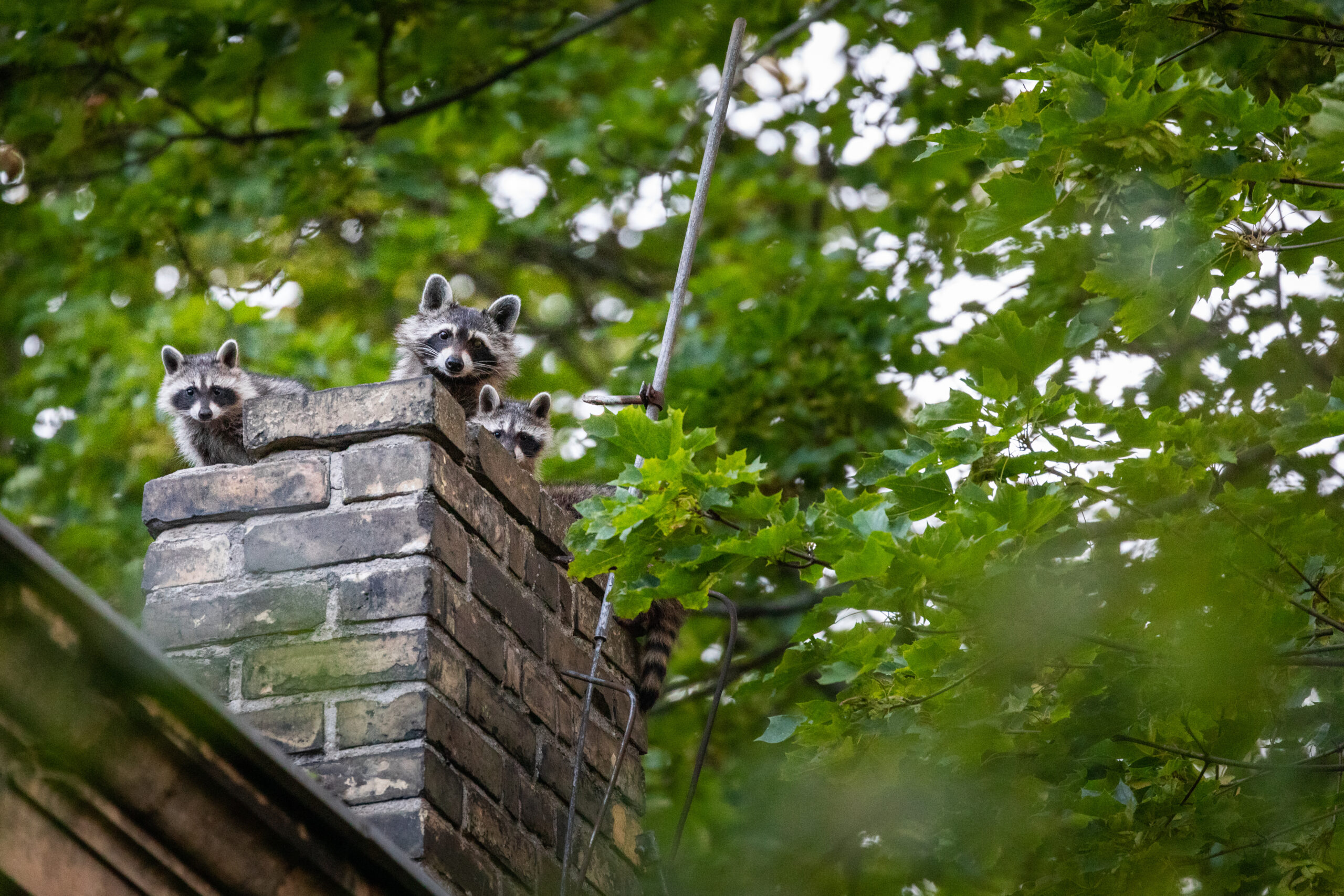
Worried About Animals in Chimney? Here Is the Help You Need
If you have heard scratching or chirping from your fireplace, you are not alone. Animals in chimney systems are a common problem across Wisconsin and Illinois, especially during spring and fall. This guide explains how animals get in, the risks they create, and what truly keeps them out for good. You will also learn when to call a professional and how Elite Chimney can help protect your home with proven, long lasting solutions. Animals in chimney? Learn how they get in, the damage they cause, and the fixes that keep them out for good. Protect your home and start today.
Why Animals Choose Chimneys
Chimneys look like safe, warm shelters to wildlife. They are dry, tall, and usually out of reach from predators. If your chimney is missing a cap or has gaps, it becomes a perfect nesting spot. In our region, changing seasons and cold nights push animals to find quick shelter, and an open flue or damaged chase cover is an easy entry point.
Common Species That Get Inside
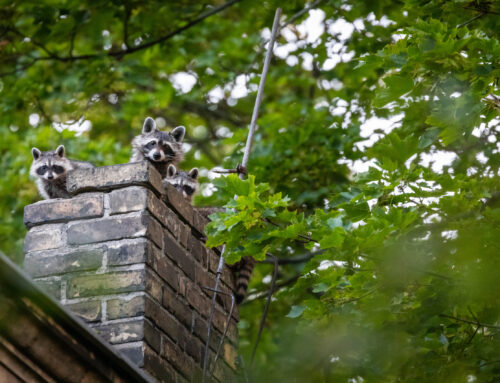
- Raccoons. Smart climbers that can remove loose caps or pry open weak covers.
- Squirrels. Nimble and curious, they often fall down flues and cannot climb out.
- Birds. Chimney swifts, starlings, and sparrows love narrow flues for nesting.
- Bats. Enter through small gaps at the top or edges of the chimney.
- Wasps and bees. Build nests in warm, protected areas like unused flues.
How They Get In
- Missing or damaged chimney cap. The most common cause of animals in chimney problems.
- Cracked or low chimney crown. Gaps at the top edge provide entry points.
- Open or broken damper. A faulty damper lets debris and animals descend into the firebox.
- Rusty or split chase cover on factory built chimneys. Water and wildlife get in through seams.
- Loose masonry or deteriorated mortar joints. Small openings expand over time.
- Tree branches near the roofline. Overhanging limbs act like ladders for raccoons and squirrels.
The Real Risks of Animals in Chimney Systems
It is easy to assume the issue will pass when animals move on, but the damage left behind can be serious. Nesting materials and droppings create safety hazards and expensive repairs if not handled quickly and correctly.
Fire and Smoke Hazards
- Nesting materials are highly flammable. Straw, twigs, and leaves can spark chimney fires.
- Blocked flues send smoke and dangerous gases back into the home.
- Soot combines with animal debris and creosote, increasing the risk of a draft failure.
Health and Property Damage
- Odors and stains from droppings and carcasses can permeate drywall and furnishings.
- Parasites and disease risks from raccoon roundworm, histoplasmosis, and mites.
- Corrosion and water damage when nests trap moisture against metal liners or chase covers.
- Loose or broken dampers and firebox components from animal activity.
Signs You Have Animals in Your Chimney
Knowing the early signs helps you act fast, avoid damage, and stay safe. Watch for these common indicators in and around your fireplace and roofline.
- Scratching, rustling, fluttering, or chirping sounds from the chimney or firebox.
- A sudden foul odor, especially on warm days, even when the fireplace is off.
- Soot on the hearth or debris like twigs and leaves in the firebox.
- Stains or water on the ceiling near the chimney chase after rain.
- Draft problems, smoke backing up, or a smoky smell without a fire.
- Visible animals on the cap or entering at dusk or dawn.
- Increased insect activity near the fireplace or at the top of the chimney.
What to Do Right Now if You Suspect Animals in Chimney
Take the right steps to protect your home and keep everyone safe. Wildlife can be unpredictable, and certain species are protected by law. If you suspect animals in chimney areas, follow this simple plan.
- Stop using the fireplace. Do not start a fire or run a gas log until the flue is inspected.
- Close the damper if it is safe to do so. This prevents animals from entering the home.
- Keep children and pets away from the fireplace. Close glass doors if present.
- Do not try to smoke them out or use chemicals. This can harm your home and is unsafe.
- Call a professional. Elite Chimney can inspect, remove debris, and recommend a humane solution.
- If a bird is flying inside the home, darken the room and open a window. Avoid handling wildlife directly.
Important note about protected species. Chimney swifts and some bat species may be protected by state or federal law during nesting seasons. A certified chimney sweep understands when removal must be delayed and how to secure your chimney once the animals leave. Elite Chimney follows humane and legal best practices.
Proven Fixes That Keep Animals Out for Good
Prevention is the long term answer. A properly capped, sealed, and maintained chimney is the best way to stop animals in chimney systems for good. Here are the solutions Elite Chimney recommends and installs.
Full Coverage Chimney Caps
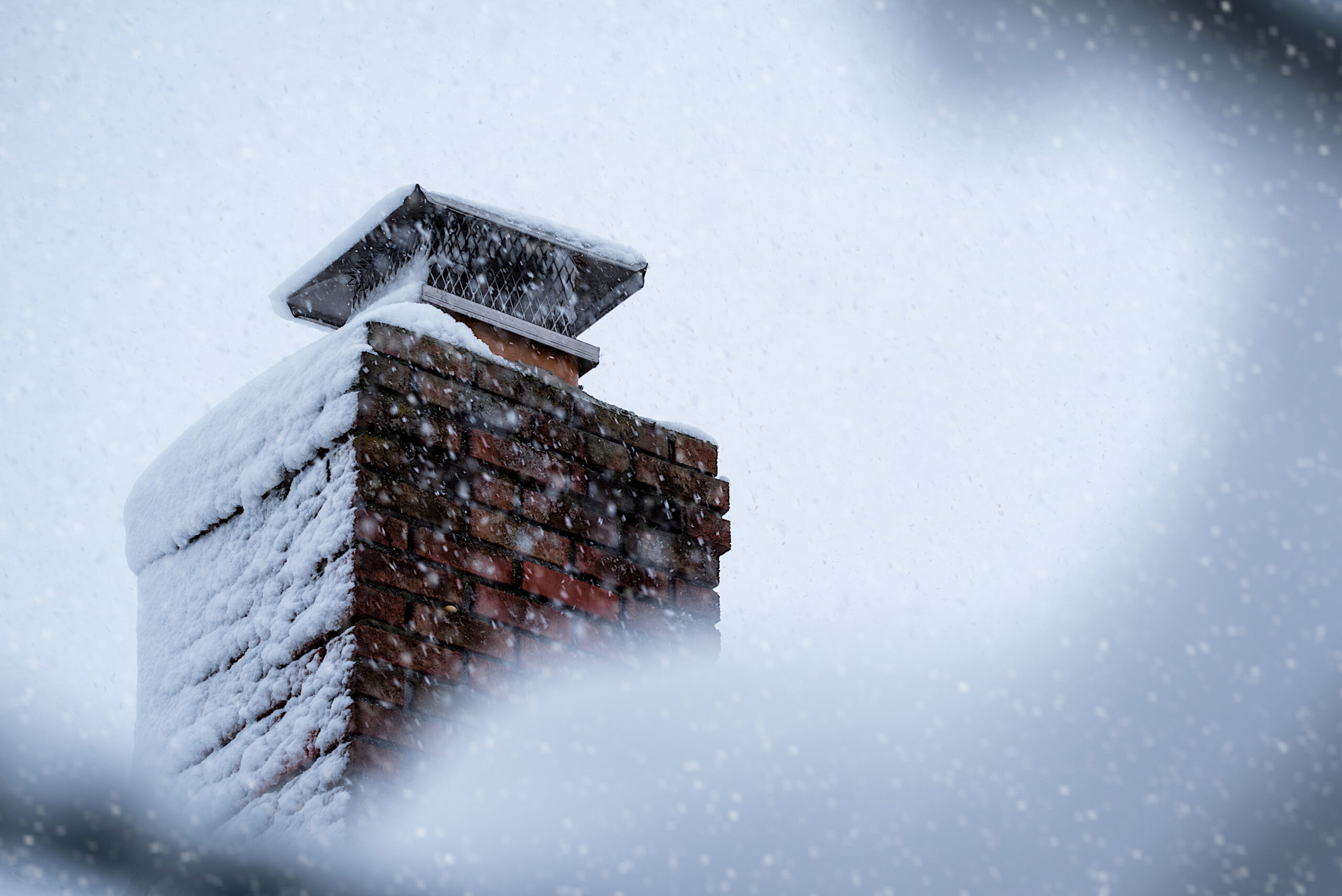
A high quality, stainless steel or copper cap with proper mesh size is the most effective barrier. It covers the entire flue area and blocks wildlife, rain, and debris. For masonry chimneys, a full coverage cap also helps protect the crown from weather wear.
- Stainless steel resists rust in Wisconsin and Illinois winters.
- Mesh size balances airflow with animal control. 3/4 inch mesh is common for most homes.
- Professional mounting prevents gaps that wildlife can exploit.
Top Mount Dampers and Damper Caps
A top mount damper seals the flue at the chimney top. It improves energy efficiency and keeps out animals and downdrafts. When combined with a cap, it is a very effective solution that pays off over time with reduced heat loss and fewer drafts.
Chimney Crown Repair or Rebuild
A cracked crown lets water and pests into the masonry. Repairing or rebuilding the crown with the right materials extends the life of the chimney and closes entry points for small animals and bats.
Chase Cover Replacement for Factory Built Units
Metal chase covers often rust and split around the seams. Replacing an old cover with a pitched, stainless steel chase cover prevents leaks and blocks animals from entering around prefab flues.
Liner Inspection and Cleaning
Cleaning removes nesting materials and blockages. An inspection confirms the condition of the liner and identifies any gaps. If needed, a new liner improves draft and safety while sealing pathways that animals exploit.
Tree Trimming and Roofline Maintenance
Trim back overhanging branches and remove easy climbing routes. Keep roof flashing secure and inspect mortar joints and bricks. Small exterior repairs and seasonal checks go a long way.
Annual Chimney Cleaning and Inspection
Yearly service finds early signs of animals in chimney systems and catches wear before it becomes a leak or a nest. Elite Chimney’s certified chimney sweeps provide thorough cleaning and detailed reports so you know exactly what is happening inside your flue and on your chimney cap.
DIY vs Professional Help
Homeowners can do a quick visual check with binoculars and keep trees trimmed, but removal and prevention should be handled by a professional. Wildlife carry health risks, and a fall from a roof is a real danger. A certified chimney sweep has the right ladders, safety gear, and tools to clean and secure the system the right way.
Why Homeowners Choose Elite Chimney
Elite Chimney LLC is a professional chimney cleaning and repair company based in Kenosha, Wisconsin. We serve Southeastern Wisconsin and Northeastern Illinois with expert service at competitive prices. Our certified chimney sweeps follow high industry standards and focus on safety and customer satisfaction.
What Sets Us Apart
- Certified chimney sweeps with ongoing training in wildlife prevention and code compliance.
- Local experience with severe winters and freeze thaw cycles that damage caps, crowns, and chase covers.
- Transparent inspections with photos and clear recommendations.
- Quality materials like stainless steel caps, top mount dampers, and durable liners.
- Competitive pricing by minimizing overhead and focusing on what your chimney truly needs.
Service Areas
We proudly serve Wisconsin and Illinois communities. In Wisconsin we cover Kenosha County including Kenosha, Pleasant Prairie, Bristol, and Salem, plus Racine County including Racine, Mount Pleasant, and Waterford. In Illinois we serve Lake County including Zion, Waukegan, Gurnee, Lake Forest, Highland Park, Libertyville, and nearby cities.
Our Step by Step Process to Solve Animals in Chimney Problems
- Initial call. We discuss symptoms, species, and safety steps you can take before we arrive.
- On site inspection. We check the cap, crown, flue, damper, chase cover, and interior firebox.
- Cleaning and debris removal. We remove nests, droppings, and blockages using professional tools.
- Condition report. You receive photos and a summary of damage or risks found during the visit.
- Prevention plan. We recommend the right cap, damper, repairs, or liner work to keep animals out.
- Installation and repair. We install quality components and perform repairs to industry standards.
- Final test and education. We verify draft, demonstrate damper operation, and share maintenance tips.
Costs and Timelines
Rates vary based on the chimney type and condition. In many cases, resolving animals in chimney issues involves inspection and cleaning on the first visit, followed by installation of a cap or damper. Most caps are installed in a single appointment. Larger repairs like crown rebuilds or chase cover replacement may require an additional day. Elite Chimney provides clear estimates before any work begins.
Frequently Asked Questions About Animals in Chimney
Can I light a fire to drive the animals out?
No. Lighting a fire can injure animals and push smoke into your home if the flue is blocked. It can also lead to a chimney fire. Always stop using the fireplace until a professional has inspected it.
Will animals leave on their own?
Sometimes. Birds or squirrels may eventually exit, but nests and droppings remain and create hazards. Raccoons often return. The only reliable fix is to remove debris, inspect, and cap or seal the chimney.
Is it safe to remove a nest by myself?
It is not recommended. Nests can hide sharp objects, parasites, and hazardous droppings. Some birds are protected during nesting season. A certified chimney sweep knows the proper, legal, and safe removal process.
What is the best chimney cap to keep animals out?
A stainless steel, full coverage cap with correctly sized mesh is the best option for most masonry chimneys. For factory built units, a pitched stainless steel chase cover with a screened termination is ideal. Professional installation prevents gaps and rust problems.
How often should I schedule chimney service?
Once a year is the standard recommendation. If you use the fireplace heavily or have had animals in chimney systems before, consider an inspection before the heating season and another check in spring.
Do caps affect draft?
A properly designed and installed cap will not harm draft. In many cases it improves performance by blocking downdrafts and preventing debris buildup that restricts airflow.
Can you help with gas fireplaces and gas log sets?
Yes. Elite Chimney installs and maintains gas fireplaces and gas log sets. We also inspect vents, caps, and terminations to ensure they are secure and free of wildlife blockages.
What about water leaks around the chimney?
Animals often make leaks worse by damaging crowns, caps, and flashing. We repair chimney leaks, replace chase covers, and rebuild crowns to stop water entry and prevent future wildlife problems.
Protect Your Home With Elite Chimney
Do not wait for scratching sounds to turn into smoke problems or expensive repairs. The fastest way to stop animals in chimney systems is to schedule a professional inspection and install the right protection. Elite Chimney offers chimney cleaning and inspection, chimney liners, chimney leaks repair, chimney caps and dampers, chimney rebuilding, gas fireplaces and gas log sets, and fireplace refacing. Our team is ready to help you secure your chimney and restore peace of mind.
Contact Elite Chimney
Address. 2100 82nd Street, Kenosha, WI 53143. Phone. 262-358-4010. Email. contact@elite-chimney.com. Website. https://elite-chimney.com
Simple Maintenance Checklist to Keep Animals Out
- Look up at your cap each season. If it is missing, loose, or rusted, call us.
- Trim tree branches that hang over the roof by at least 8 to 10 feet when possible.
- Schedule a yearly chimney cleaning and inspection, even if you rarely burn.
- Check for water stains or odors after heavy rain. It can signal an opening at the top.
- Verify that your damper opens and closes smoothly. If it sticks, have it serviced.
Start Today and Keep Wildlife Where It Belongs
Animals seek easy shelter. An unprotected chimney gives them exactly that. With a quality cap or damper, sound masonry, and regular service, you can prevent animals in chimney systems for good. Elite Chimney is here to help with honest advice, certified service, and durable products that stand up to Midwest weather. Call 262-358-4010 or visit elite-chimney.com to schedule your inspection. Protect your home today and enjoy a safer, cleaner fireplace all year long.