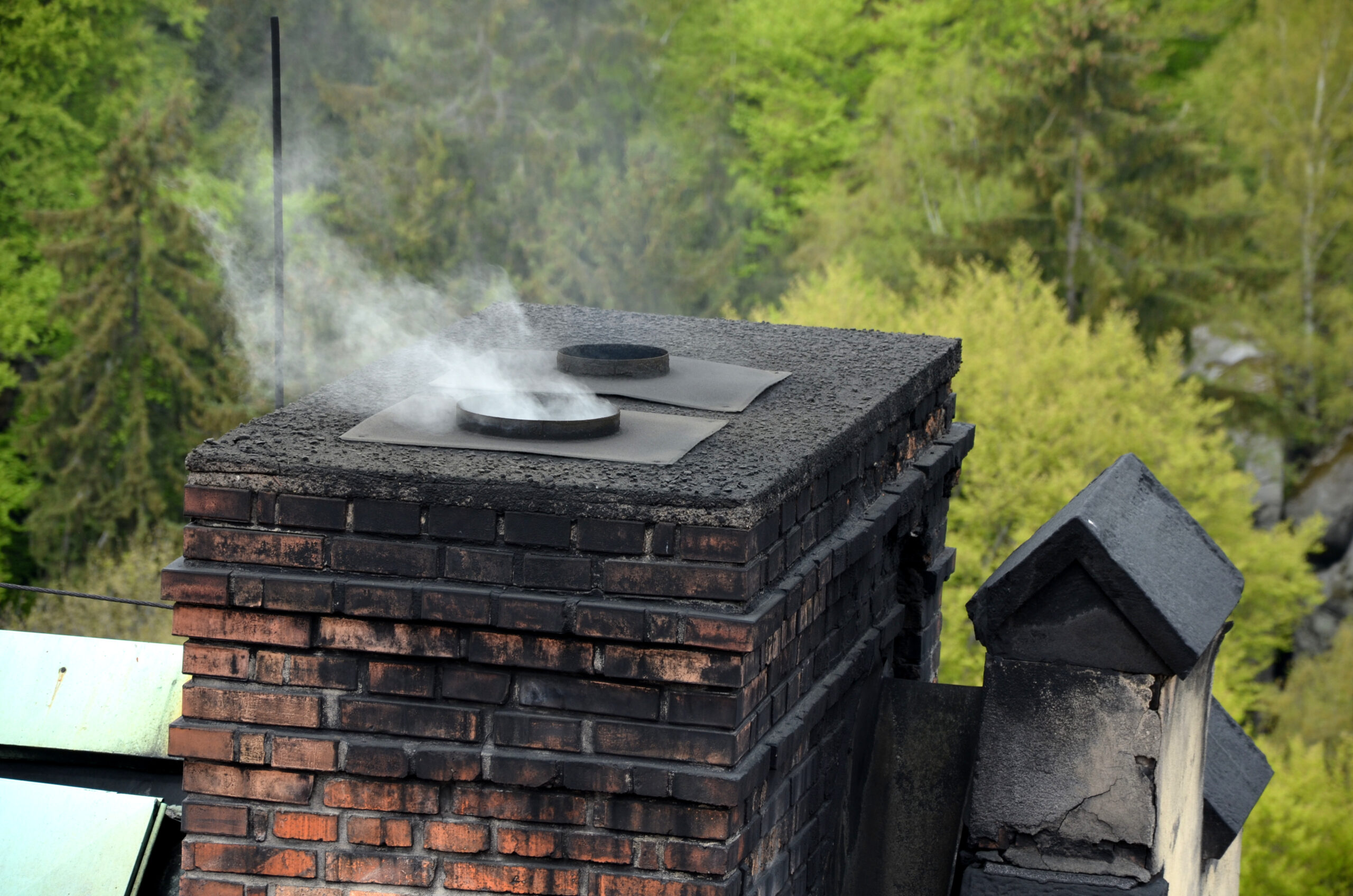
Understand creosote vs soot before you light the first fire
Getting your fireplace ready for the season starts with one simple question: creosote vs soot, what is the difference? Knowing how each forms, the risks they pose, and the right way to remove them can prevent chimney fires, smoke problems, and costly repairs. In this guide, the experts at Elite Chimney explain what every homeowner should know before burning season, along with practical steps you can take today to keep your home safer and your fires burning cleaner.
What are soot and creosote?
Soot explained
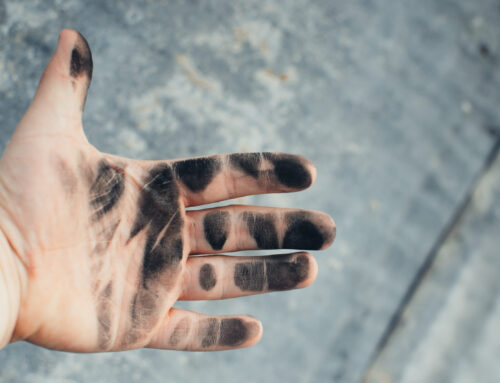
Soot is the soft, black powder you see after burning wood, coal, pellets, or oil. It is mostly made of carbon. It settles on smoke shelves, flue walls, glass doors, and mantels. Soot is messy and can stain, but it is usually easier to brush away than creosote. While soot is less likely to ignite than creosote, heavy layers of soot still narrow the flue and increase the risk of smoky fires and poor draft.
Creosote explained
Creosote forms when wood smoke cools before it fully burns. The unburned tar vapors condense inside the cooler parts of the flue and stick to the walls. Over time, creosote hardens and can become dense and shiny. It is highly flammable and is the leading cause of chimney fires. Even small ignitions can damage liners, masonry, and nearby framing. Understanding creosote vs soot is key, because creosote demands urgent attention and often professional removal.
The three stages of creosote
- Stage 1: Flaky and dusty. This looks similar to coffee grounds and is somewhat easy to brush away.
- Stage 2: Crunchy and tar-like. It forms harder layers and can require specialty brushes or rotary cleaning tools.
- Stage 3: Glazed and shiny. This is baked-on creosote that is very hard. It often needs chemical treatments or mechanical removal by a certified sweep.
Creosote vs soot: the key differences
- Appearance: Soot is soft and powdery. Creosote ranges from crunchy to shiny and hardened.
- How it forms: Soot forms from burned carbon particles. Creosote forms from condensed tar vapors when smoke cools too fast.
- Flammability: Soot can ignite under the right conditions, but creosote is far more flammable and more dangerous.
- Removal difficulty: Soot brushes away more easily. Creosote, especially glazed, needs professional tools and treatments.
- Smell: Heavy creosote buildup often has a strong campfire or tar smell, especially in humid weather.
- Risk profile: Soot mainly causes dirty surfaces and draft issues. Creosote is a leading cause of chimney fires and structural damage.
If you are weighing creosote vs soot and wondering which is worse, creosote wins by a wide margin. That is why regular inspections and cleanings are so important before the first fire of the season.
Why do soot and creosote build up?
- Wet or unseasoned firewood: Moisture in wood lowers fire temperature and creates smoky, unburned vapors that turn into creosote.
- Cool flue temperatures: Oversized or uninsulated flues cool smoke too quickly, causing tar vapors to condense.
- Poor airflow: Closed or restricted dampers, dirty caps, or blocked chimneys create incomplete combustion.
- Smoldering fires: Small, low-oxygen fires produce more smoke and less heat, which equals more creosote.
- Short cycles: Frequent short fires that do not warm the flue increase condensation.
- Improper appliances: Wood stoves or inserts vented into large masonry flues without a proper liner are creosote prone.
- Negative pressure: Tight homes, powerful kitchen or bath fans, and basements can pull smoke into the home and stress draft.
The risks you cannot ignore
Chimney fires
Creosote ignites at lower temperatures than you might expect. Once it lights, it can burn at extremely high heat and spread quickly through the flue. Even small, contained fires can crack flue tiles, warp metal liners, and open gaps where flames and smoke can reach the home. Many chimney fires go undetected but still leave dangerous damage behind.
Structural damage
Heat and acidic byproducts from heavy buildup damage mortar joints, crowns, and caps. Repeated exposure to smoke and moisture speeds deterioration. Left alone, this can lead to costly rebuilding work or water infiltration that damages ceilings and walls.
Health and indoor air quality
Excess soot and creosote narrow the flue and can push smoke back into the home. That means more particulates in your air. It can worsen breathing issues, increase odors, and leave oily stains. Improperly vented appliances can increase carbon monoxide risk as well.
Signs you may have a creosote or soot problem
Quick checks you can do today
- Open the damper and shine a flashlight up the flue. If you see more than an eighth of an inch of buildup, schedule a cleaning.
- Look for sticky or shiny deposits. That points to creosote over simple soot.
- Notice strong smoky or tar-like odors in humid weather or after rain.
- Check glass doors and firebox surfaces for heavy black staining soon after a fire. Fast buildup signals poor burn conditions.
- Watch for smoke spillage when you start a fire, doors that soot up quickly, or slow, smoldering flames.
- Listen for rumbling or a train-like sound during a fire. That can be a sign of a chimney fire. If you suspect a fire, call the fire department first.
How to reduce buildup before and during burning season
Choose better fuel
- Burn seasoned hardwood with a moisture content of 15 to 20 percent. Split logs to speed drying and store off the ground with a top cover.
- Avoid green or wet wood, painted or treated lumber, and trash. They produce more soot and creosote and can be unsafe.
- Use kiln-dried or compressed wood bricks if you lack seasoned wood. They burn hotter and cleaner when used properly.
Start and run cleaner fires
- Warm the flue first. Before lighting, hold a twisted newspaper or a starter stick near the flue opening to prime the draft.
- Use the top-down method. Place larger logs on the bottom, medium pieces above, kindling on top. Light the top for a hotter, cleaner start.
- Keep the damper fully open at startup and until flames are strong. Do not choke the air too early.
- Avoid smoldering. Add small amounts of wood as needed and maintain bright flames rather than long, smoky burns.
- Do not overload the firebox. Give flames room to breathe for proper combustion.
Ventilation and hardware upgrades
- Install a quality chimney cap with a spark screen to block debris and animals while protecting draft.
- Consider a top-sealing damper to improve seal when the system is not in use and to help control air during use.
- Add or upgrade to a properly sized and insulated liner. This keeps flue gases hotter and reduces creosote formation.
Maintenance habits that matter
- Empty ash regularly but leave a thin layer to help start the next fire.
- Clean glass doors as needed so you can monitor flame quality.
- Schedule annual inspections and cleanings before the first cold snap. Fall appointments book fast, so plan ahead.
Can you remove buildup yourself?
What homeowners can do safely
- Light cleaning: If you only have a light, dusty soot layer, you can brush visible areas in the firebox and smoke shelf with proper protective gear.
- Glass and surround cleanup: Use a fireplace glass cleaner or a damp cloth with ash for light stains. Protect nearby surfaces from smudges.
- Monitor: Keep an eye on odors, smoke behavior, and visible deposits so you can schedule service before problems grow.
When to call Elite Chimney
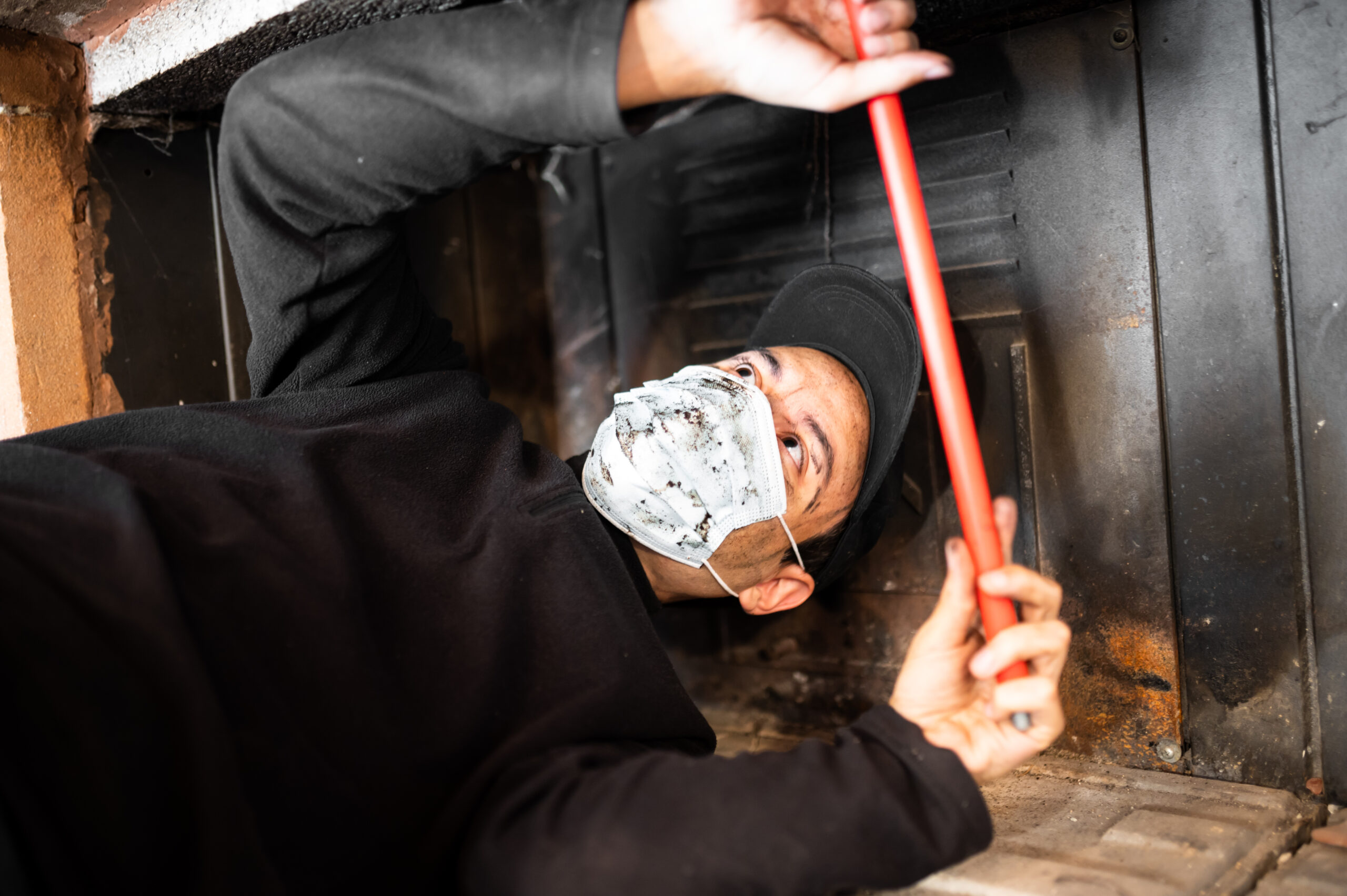
Moderate to heavy deposits, any sign of glazed creosote, smoke spillage, or draft issues are reasons to bring in a certified sweep. Elite Chimney provides thorough chimney cleaning and inspection that targets both soot and creosote, including stubborn stage 2 and stage 3 deposits. The team follows industry standards and uses professional tools to protect your liner, masonry, and home.
How often should you sweep and inspect?
At a minimum, have your chimney inspected once a year and cleaned as needed. If you burn often, use a wood stove, or see rapid buildup, you may need service more frequently. After any suspected chimney fire or even a loud “whoosh,” schedule an inspection before using the fireplace again. For vacation homes or systems that sat unused, a preseason inspection is still important. Animals, nesting material, or weather damage may have blocked the flue.
Chimney liners that help control creosote
A properly sized, continuous liner keeps flue gases hotter and moving. This reduces the chance that tar vapors will condense into creosote. Insulated stainless steel liners are a proven upgrade for older masonry chimneys and for appliances that were vented into oversized flues. If your liner is damaged, cracked, or missing, Elite Chimney can recommend and install the right solution to improve safety and performance.
Caps, dampers, and leak prevention
Moisture makes creosote more acidic and more damaging. A good chimney cap, a healthy crown, and a working damper keep water out and control airflow. If you notice water stains, efflorescence on brick, or a musty smell, ask Elite Chimney to check for leaks. Fixing water entry now prevents expensive repairs later and helps avoid sticky creosote layers.
Gas fireplaces and the creosote vs soot question
Gas fireplaces and gas log sets produce much less creosote than wood-burning units, but they still need regular inspection. Soot can still form if flames are misadjusted, if the log set is out of place, or if the venting has issues. Annual service catches problems early, maintains efficiency, and protects indoor air quality. Elite Chimney services and installs gas fireplaces and gas log sets and can advise whether your current setup is performing correctly.
Chimney rebuilding and refacing if damage is found
Repeated overheating, unnoticed chimney fires, or long-term moisture can lead to structural problems. If inspections reveal cracked tiles, missing mortar, or spalling brick, a rebuild or partial restoration may be needed. Elite Chimney offers chimney rebuilding and fireplace refacing to restore both safety and style. A sound chimney is the first defense against creosote hazards and smoke problems.
Creosote vs soot: quick FAQ
Does soot mean my chimney is unsafe?
Not always. Light soot is normal, but heavy or fast buildup points to poor combustion or draft problems. If you see more than an eighth of an inch of material or notice strong odors, schedule a professional inspection.
Is creosote always visible?
Some areas of the flue are hard to see without mirrors or cameras. A certified sweep can evaluate the full chimney and identify glazed creosote or hidden damage.
Can chimney additives or logs eliminate creosote?
Certain products can help loosen stage 1 or light stage 2 deposits, but they are not a stand-alone solution. They never replace a professional cleaning. Glazed creosote needs specialty tools and techniques.
What is the safest way to start a fire?
Use dry kindling and the top-down method, open the damper fully, and ensure the room has enough make-up air. Never use gasoline or other accelerants. Let the flue warm before adding larger logs.
How do I know if I had a chimney fire?
Signs include a loud roar, popping or rumbling sounds, a strong hot smell, or warped or discolored metal on caps or pipes. You might also find puffy, broken creosote or cracked flue tiles. If you suspect a fire, stop using the fireplace and call a professional.
About Elite Chimney
Elite Chimney LLC is a professional chimney cleaning and repair company based in Kenosha, Wisconsin. Our certified chimney sweeps serve Southeastern Wisconsin and Northeastern Illinois with expert service at competitive prices. By minimizing overhead, Elite Chimney delivers reliable results without cutting corners on safety or quality.
Services we offer
- Chimney cleaning and inspection for optimal performance and safety
- Chimney liners to improve draft and reduce creosote formation
- Chimney leak repair to prevent water damage and structural issues
- Chimney caps and dampers to protect against debris, animals, and weather
- Chimney rebuilding for damaged or aging systems
- Gas fireplaces and gas log sets installation and maintenance
- Fireplace refacing for functional and aesthetic upgrades
Where we work
- Wisconsin: Kenosha County including Kenosha, Pleasant Prairie, Bristol, and Salem. Racine County including Racine, Mount Pleasant, and Waterford.
- Illinois: Lake County including Zion, Waukegan, Gurnee, Lake Forest, Highland Park, and Libertyville.
Elite Chimney is a Certified Chimney Sweep company. We follow industry standards and provide detailed reports so you know the condition of your system before burning season begins.
Contact Elite Chimney
Address: 2100 82nd Street, Kenosha, WI 53143. Phone: 262-358-4010. Email: contact@elite-chimney.com. Website: https://elite-chimney.com
Your preseason checklist
- Book an annual chimney inspection with Elite Chimney.
- Stock up on properly seasoned hardwood.
- Check that your cap and damper are working and free of debris.
- Review safe fire-starting steps and keep the damper open at startup.
- Install or test smoke and carbon monoxide alarms.
- Plan a mid-season check if you burn daily or notice heavy buildup.
The bottom line on creosote vs soot
Both materials come from burning fuel, but creosote is the real threat. It forms when smoke cools too soon, sticks to flue walls, and can ignite with intense heat. Soot is messy and can hurt draft, but it is generally easier to manage. The best defense is a clean chimney, smart fire-building, dry wood, and reliable professional care. If you are preparing for the first fire of the season, now is the time to book an inspection and cleaning.
Schedule your service with Elite Chimney
Protect your home, improve draft, and enjoy cleaner burns this season. For expert guidance on creosote vs soot, thorough chimney cleaning, liners, caps, leaks, or gas fireplace service, contact Elite Chimney today. Call 262-358-4010 or email contact@elite-chimney.com to schedule. Serving Kenosha, Racine, and Lake County, we are ready to help you start the season with confidence.