
Short Answer: Sealant Can Help in Small Spots, But It Often Hides Bigger Problems
Homeowners search for a quick fix when they see water stains or hear dripping in the fireplace. It is natural to reach for a tube of sealant for chimney cap edges and screws. Here is the truth. A careful bead of the right product can help in very specific situations. But in many cases, sealant on a chimney cap is a Band-Aid that hides the real cause of the leak. In the wrong place, it can even trap water, accelerate rust, and make leaks worse. This guide explains when sealant helps, when it hurts, and what to do instead. If you live in Southeastern Wisconsin or Northeastern Illinois, Elite Chimney can inspect, repair, and protect your chimney the right way so you do not keep fighting the same leak.
What Your Chimney Cap Actually Does
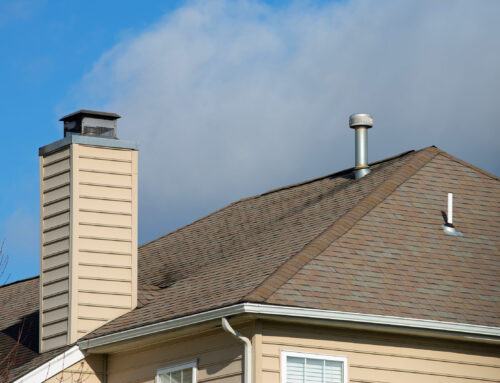
The chimney cap is a metal cover with a screen that sits on top of your flue. It keeps rain, snow, animals, and debris out while letting smoke vent safely. A proper cap has a solid top, a drip edge that extends beyond the flue tile, and mesh sides. It fastens to the flue tile or crown with clamps or screws. When built and installed correctly, the cap itself rarely leaks. Instead, water usually enters at nearby weak points.
Common Places Chimneys Leak
- Cracked or deteriorated chimney crown on masonry chimneys
- Worn or missing flashing where the chimney meets the roof
- Gaps around the flue tile or storm collar
- Rusting or flat chimney chase covers on factory-built systems
- Open mortar joints and porous bricks
- Missing flue tiles or damaged liners that allow condensation
Because leaks often start at these locations, smearing sealant for chimney cap areas may not reach the root cause. That is why Elite Chimney begins every leak call with a thorough inspection. We find the actual entry point so you do not waste time or money.
When Sealant for Chimney Cap Is Appropriate
There are times when a small, targeted application of sealant for chimney cap fasteners or metal seams is the right move. The key is knowing what to seal, what to leave alone, and which product to use.
Good Uses for Sealant Around a Chimney Cap
- Sealing a storm collar to the flue pipe on a metal chimney cap
- Sealing screw heads on a metal cap to stop capillary water entry
- Sealing the joint where a cap skirt meets the outside of a clay flue tile
- Sealing a seam on a metal cap lid if a rivet hole or factory joint drips
These targeted uses should be neat, minimal, and paired with a sound cap that fits well. A tiny bead can keep water from working in, but the cap must be sized, secured, and sloped correctly first.
When Sealant Makes Chimney Leaks Worse
It is easy to go too far with sealant. Heavy application or sealing the wrong areas can trap water and speed up damage.
Bad Uses That Cause Problems
- Smearing sealant across the entire chimney crown instead of repairing it
- Sealing over cracked mortar joints without cleaning and re-pointing
- Gluing the cap to a broken tile or crumbling crown to avoid real repair
- Sealing around flashing rather than replacing faulty flashing or counterflashing
- Sealing weep holes or drainage paths on a metal chase cover
- Using roof cement or asphalt products on masonry or metal components
These mistakes trap water under a skin of caulk. Moisture then freezes and expands in winter, which is common in Wisconsin and Illinois. The result is more cracking, more rust, and bigger leaks later. If you suspect the leak comes from flashing, the crown, or a chase cover, sealant for chimney cap parts will not solve the issue. Call Elite Chimney for a proper fix.
Better Fixes Than Sealant: Proven Ways to Stop Chimney Leaks
Most chimney leaks need repair or replacement of a worn part, not a tube of caulk. Here are fixes that last.
Repair or Rebuild a Damaged Masonry Crown
The crown is the sloped concrete or mortar cap that covers the top of a masonry chimney. It should shed water away from the flue and the brick. If it is cracked, water enters the structure. The right solution depends on the damage.
- Hairline cracking: Apply a breathable elastomeric crown coating made for masonry crowns
- Moderate cracking and shallow spalling: Resurface with a proper crown repair mix and add a coating
- Heavy damage or improper design: Rebuild the crown with proper overhang and drip edges
Note that sealant for chimney cap components should not replace crown repair. They are different parts and require different materials.
Replace or Correct Roof Flashing
Flashing seals the joint where the chimney meets the roof. If flashing or counterflashing is loose, rusted, or missing, water will work behind it. The fix is to install new step flashing and counterflashing that integrate with roof shingles. Caulk on top of bad flashing is only temporary. Elite Chimney repairs flashing the right way for a lasting seal.
Upgrade a Rusting Chimney Chase Cover
Prefab and factory-built chimneys often have a chase cover, which is a large metal lid that covers the entire top of a wood-framed chase. If it is flat, thin, or rusting, it will leak. The best upgrade is a custom stainless steel chase cover with cross breaks for slope, a raised collar, and a sealed storm collar. Screws should be set into butyl sealant, not smeared with random roofing tar.
Replace a Poorly Fitting Chimney Cap
If the cap is the wrong size or lacks a proper drip edge, replace it. A correct cap has an overhang that extends beyond the flue tile and a screen that allows proper venting. For masonry chimneys, the cap should attach to the flue tile or to an anchor system on the crown without cracking the crown itself. Elite Chimney installs quality stainless steel caps that resist rust and fit the chimney correctly.
Waterproof the Masonry With a Breathable Treatment
Masonry absorbs water. A silane or siloxane-based water repellent designed for chimneys keeps water out while letting moisture vapor escape. Do not use paint or non-breathable coatings on brick. They trap moisture and cause spalling in freeze-thaw cycles.
Fix Condensation Problems
Sometimes what looks like a leak is actually condensation. An oversized or damaged chimney liner can create cool, wet flue gases. Upgrading or adding a properly sized liner reduces condensation and protects the chimney. Elite Chimney installs stainless steel liners to improve both safety and performance.
If You Must Use Sealant for Chimney Cap, Choose the Right One
If inspection shows the cap itself needs a small bead of sealant, use a product that matches the material and the temperature exposure.
Sealant Types and Where They Work
- High temperature RTV silicone: Best for sealing a storm collar to a round flue pipe and small gaps on metal parts that get warm
- Butyl sealant: Good for metal-to-metal seams and under screw heads on chase covers and metal caps
- Polyurethane sealant: Strong and flexible for metal joints, but not ideal for direct high-heat flue areas
Avoid asphalt-based roof cement on chimneys. Avoid generic latex caulk. Neither lasts on metal and masonry outdoors.
How to Apply Sealant on a Cap Safely
- Clean the area. Remove rust, dirt, and old caulk. Dry the surface.
- Check the fit. Tighten fasteners so the cap sits square and secure.
- Apply a small, continuous bead only where needed. Do not smear a thick layer.
- Do not block drainage or weep paths. Water must be able to shed away.
- Let it cure per manufacturer direction before exposure to rain.
Keep the work small and focused. If you cannot tell where water enters, stop and call Elite Chimney for an inspection.
DIY Leak Check: Simple Steps Before You Caulk
Before you reach for a sealant for chimney cap joints, run through this quick checklist. It can save you time and prevent a bad application.
- Look in the attic for stains or wet insulation near the chimney.
- Check ceilings around the chimney for yellow or brown rings.
- Inspect the firebox and damper for rust, white mineral stains, or a musty smell.
- From the ground, look for a rust streak under a chase cover or down the brick.
- Use binoculars to spot missing mortar, cracked crowns, or loose flashing.
- If safe, check the cap. Is it secure, centered, and free of dents or rust?
If any of these signs point to crown or flashing damage, sealant on the cap will not solve it. Schedule service with Elite Chimney to stop the leak at its source.
Myths About Sealant and Chimney Leaks
Myth 1: A tube of caulk can fix any chimney leak
Most leaks come from flashing, crowns, or chase covers. Sealant for chimney cap areas may not even touch the actual leak.
Myth 2: More caulk means more protection
Thick layers trap water. Once trapped, winter freeze cycles break masonry and corrode metal faster.
Myth 3: All caulks work the same outdoors
They do not. Temperature, UV exposure, and metal expansion call for specific products. Picking the wrong one leads to failure within a season or two.
Myth 4: Painting brick seals out water
Paint blocks vapor. Moisture gets stuck inside the brick, which causes flaking and spalling. Use breathable repellents instead.
Why the Midwest Climate Makes Leaks Tricky
In Southeastern Wisconsin and Northeastern Illinois, freeze-thaw cycles are hard on chimneys. Water seeps into tiny cracks, freezes, and expands. Lake effect winds drive rain sideways. Snow piles up on roofs and around chimneys. All of this pushes water into weak points. That is why quick fixes with sealant for chimney cap seams often fail here. Durable results come from proper flashing, sound crowns, quality caps, and breathable waterproofing. Elite Chimney understands these local conditions and uses materials that hold up through Midwest winters.
Choose Elite Chimney for Leak Diagnosis and Repair
Elite Chimney LLC is based in Kenosha, Wisconsin. We serve Southeastern Wisconsin and Northeastern Illinois with certified chimney cleaning, inspection, and repair. Our team keeps overhead low to deliver expert work at a fair price. As a Certified Chimney Sweep, we follow industry standards and put safety first. When you call us for a leak, we find the source, explain your options, and provide a clear estimate. No guesswork and no messy blobs of caulk that do not last.
Our Core Services
- Chimney Cleaning and Inspection to catch problems early
- Chimney Liners for safety, performance, and condensation control
- Chimney Leak Repair that targets crowns, flashing, caps, and masonry
- Chimney Caps and Dampers installed the right way
- Chimney Rebuilding for damaged or aging stacks
- Gas Fireplaces and Gas Log Sets installation and service
- Fireplace Refacing for a clean, updated look
Service Areas
- Wisconsin: Kenosha County including Kenosha, Pleasant Prairie, Bristol, and Salem. Racine County including Racine, Mount Pleasant, and Waterford.
- Illinois: Lake County including Zion, Waukegan, Gurnee, Lake Forest, Highland Park, Libertyville, and nearby cities.
If you are in these communities and are wondering about sealant for chimney cap fixes, we can help you choose the right solution.
Cost and Timing: What to Expect
Prices vary by the type of repair. A new stainless steel cap costs less than a crown rebuild. A proper flashing job may require coordination with roof work. Here is a general sense of what affects cost and timing.
- Extent of damage: Hairline cracks cost less than deep spalling or structural issues
- Material choice: Stainless steel chase covers and caps cost more but last longer
- Access: Steep or high roofs require safety equipment and more time
- Season: Cold and wet weather can affect cure times for coatings and sealants
Elite Chimney provides clear estimates after inspection. We explain why a simple bead of sealant for chimney cap screws might be enough in rare cases, and why a full repair is smarter in others.
FAQs About Sealant for Chimney Cap and Leaks
Will sealant around my cap stop a leak right away?
It might, if the leak is at a small seam or screw. But if the leak comes from the crown, flashing, or a chase cover, sealant will not stop it. A fast inspection is the smartest first step.
Which sealant is best for cap screws?
Butyl or polyurethane sealant for chimney cap screws is a good choice. For storm collars that see heat, a high temperature RTV silicone works well. Avoid asphalt products.
Can I seal the gap between the flue tile and the crown?
You can apply a small bead at the flue tile and cap skirt connection, but do not smear over the crown or block expansion space. The crown itself may need repair or a breathable coating.
Why does my chimney leak only in wind-driven rain?
Wind pushes water sideways into weak flashing and under flat chase covers. A taller, better-designed cap and proper flashing or a sloped chase cover often fix this.
Is waterproofing my brick a good idea?
Yes, if you use a breathable siloxane or silane water repellent. Never paint brick to try to seal it.
What To Do Right Now
If you are thinking about using sealant for chimney cap joints today, stop and take a quick look around your chimney for the issues listed above. Take photos. Then contact Elite Chimney for a pro inspection. We will tell you whether a small bead of the right product will work, or if a better repair will save you money over the long run.
Contact Elite Chimney
Elite Chimney LLC
Address: 2100 82nd Street, Kenosha, WI 53143
Phone: 262-358-4010
Email: contact@elite-chimney.com
Website: https://elite-chimney.com
We serve Kenosha, Racine, and the surrounding Wisconsin communities, plus Lake County, Illinois. Schedule your inspection today and protect your home from water damage the smart way.
Bottom Line
Sealant for chimney cap parts can be a helpful tool when used in the right spot with the right product. But it is not a cure-all, and overuse often makes leaks worse. The most reliable fix comes from a proper inspection, a correct cap, sound flashing, a healthy crown, and breathable waterproofing. Elite Chimney is ready to help you find the real cause and fix it for good. Call or email us to get started today.