White stains on chimney 101
What those chalky marks really are
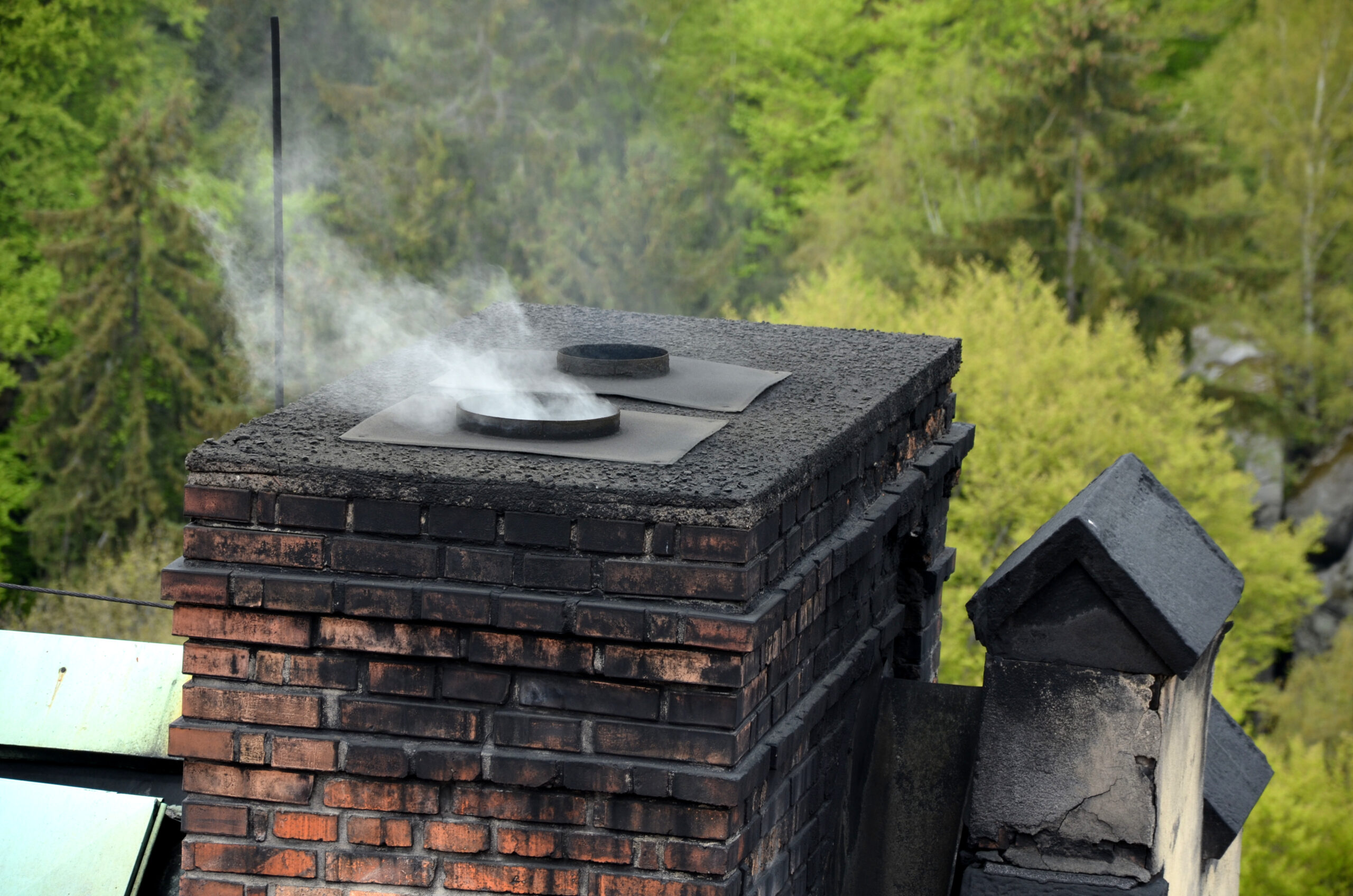
If you have noticed white stains on chimney brick or stone, you are likely looking at efflorescence. Efflorescence is a powdery, chalk-like deposit that forms when water moves through masonry, dissolves natural salts, and then carries those salts to the surface as it evaporates. When the water dries, the salts are left behind as a white film. It can be bright white, cloudy, or patchy. You can often rub a little of it off with your finger. While it may look like a simple cosmetic issue, efflorescence is a sign that moisture is traveling through your chimney system. That is the part that should never be ignored.
Why it shows up on chimneys
Chimneys are exposed to weather all year. Brick, mortar, concrete crowns, and even stone are porous. When rain, snow, or condensation from your heating appliance gets into those materials, it can move salts to the surface. Over time, white stains on chimney surfaces tell a story about water entry, drying patterns, and potential weak points in your chimney’s defenses.
Why white stains on chimney are a warning sign
Moisture problems often hide in plain sight
The real issue is not the stain. It is the moisture that made the stain possible. Persistent water in a chimney can damage mortar joints, wear down liners, rust metal components, and loosen bricks. In cold climates like Southeastern Wisconsin and Northeastern Illinois, freeze and thaw cycles make this worse. Trapped water expands when it freezes and can force the face of a brick to pop off, a problem called spalling. Left alone, these small problems can turn into big repairs.
What can go wrong if you wait
- Spalling and crumbling bricks that weaken the stack
- Loose or missing mortar joints that let in more water
- Cracked or deteriorated chimney crowns and flue tiles
- Rust on dampers, caps, and chase covers
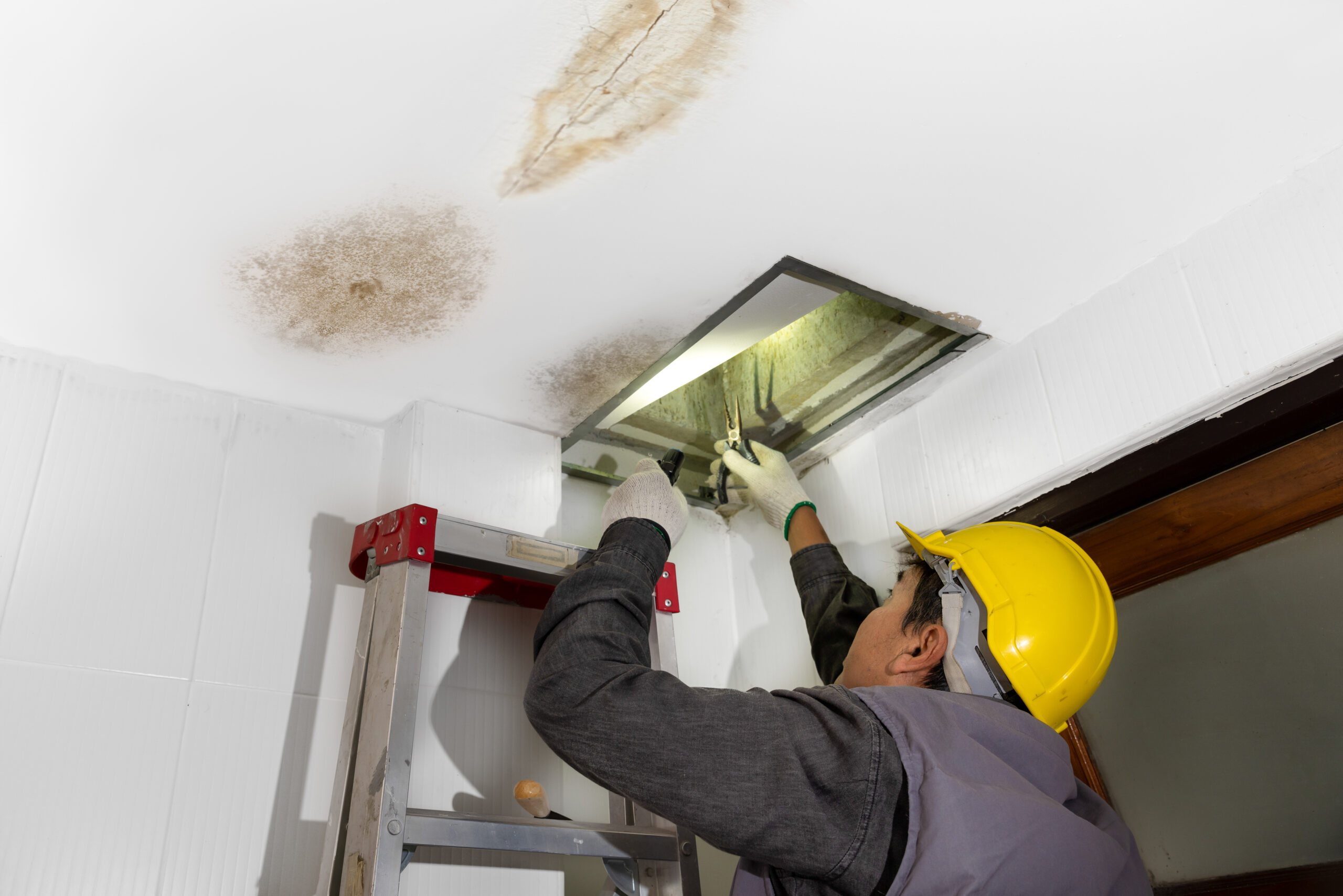
- Interior staining on walls and ceilings near the fireplace
- Musty odors and poor draft due to a wet flue
- In gas appliance chimneys, corrosive condensate that eats away liners
Common causes of white stains on chimney
Weather and climate in our area
Elite Chimney serves homeowners across Kenosha County, Racine County, and Lake County, Illinois. Our region sees lake effect snow, spring rains, humidity, and strong winds. That mix pushes moisture into tiny masonry openings. As the temperature swings, the salts move, and the residue appears. In short, our climate increases the chance of efflorescence.
Typical entry points for water
- Missing or damaged chimney cap that lets rain and snow fall directly into the flue
- Cracked or poorly built chimney crown that absorbs and funnels water into the brickwork
- Failed flashing where the chimney meets the roof, allowing leaks along the joints
- Open or deteriorated mortar joints that wick water
- Porous older brick or stone without a breathable water repellent
- Unlined or damaged flue that produces heavy condensation
- Gas fireplaces and gas log sets that make cooler, moisture-rich exhaust
Efflorescence or something else
How to tell the difference
Most white stains on chimney exteriors are efflorescence, but not every white mark is the same. Efflorescence will usually brush off easily and dissolve when you dab it with water. It often looks powdery and can reappear after cleaning if moisture is still present. Lime leaching from new mortar can look similar but often shows up as streaks under the crown soon after construction. Paint or old sealant residue will feel smooth rather than dusty and will not wipe away. Soot mixed with rainwater can dry into a gray film that smears rather than powders. If you are unsure, a Certified Chimney Sweep from Elite Chimney can confirm the cause during an inspection.
The risks of ignoring the stains
Structural damage you cannot see from the ground
White stains appear where moisture evaporates. That means the path underneath can be damp for a long time before you notice anything wrong. Mortar can shrink and crack. The crown can open at the flue tile. Brick faces can break away. Each weak spot invites more water. The longer moisture moves through a chimney, the greater the chance of internal damage that goes beyond simple cleaning.
Safety and performance concerns
Wet chimneys do not draft well. Smoke can be sluggish and odors can linger. In vented gas systems, excess moisture can produce acidic condensate that attacks metal liners and components. If corrosion grows, exhaust leaks become a risk. That is why Elite Chimney takes white stains on chimney surfaces seriously and recommends a full inspection rather than spot cleaning alone.
What to do if you see white stains on chimney
A smart step-by-step plan
- Document the problem. Take clear photos of the stains from all sides. Note when they are worst, such as after snow or a storm.
- Check for obvious issues. From the ground, look for a missing cap, cracked crown, or dark wet areas on the masonry or roofline. Do not climb a ladder unless you are trained and it is safe.
- Schedule a professional chimney inspection. A Level 1 or Level 2 inspection from a Certified Chimney Sweep will locate moisture entry points, assess the liner, and evaluate the crown, flashing, and masonry joints. Elite Chimney can perform this inspection and provide a detailed report.
- Fix the source of water. Repairs may include installing or replacing a cap, repairing or rebuilding the crown, resealing or replacing flashing, repointing mortar joints, or relining the chimney if needed.
- Clean the stains the right way. Efflorescence removal uses gentle methods first. In many cases, a soft dry brush followed by a light rinse is enough once the leak is fixed. For stubborn deposits, a masonry-safe cleaner may be used. Avoid harsh acids without guidance since they can damage brick and mortar.
- Protect the masonry. After repairs and cleaning, apply a breathable water repellent made for chimneys. This allows moisture inside the masonry to escape while reducing future water absorption. Elite Chimney uses products that are vapor permeable rather than film forming.
- Plan for annual maintenance. Inspections and cleanings catch new issues early. Early action is cheaper than major rebuilding later.
How Elite Chimney fixes and prevents white stains on chimney
Our inspection process
- Exterior assessment from crown to flashing to check caps, crowns, mortar joints, and brick condition
- Moisture and draft checks to spot hidden leaks and performance issues
- Video scan of the flue when needed to find cracks, gaps, or liner damage
- Roof-level review of flashing, roofing contact points, and chase covers on factory-built chimneys
- Written findings with clear photos and repair recommendations
Targeted repairs we perform
- Chimney Cleaning and Inspection for wood and gas systems
- Chimney Liners for safety and better draft in wood and gas applications
- Chimney Leaks repair including flashing fixes and leak tracing
- Chimney Caps and Dampers to keep water, animals, and debris out
- Chimney Rebuilding when masonry is too damaged to repair piecemeal
- Gas Fireplaces and Gas Log Sets installation and maintenance
- Fireplace Refacing to update the look and improve performance
Materials and methods that last
Elite Chimney focuses on repairs that solve the source of water entry first. We use quality caps, properly built crowns with expansion joints, and mortar matched to your chimney. When we apply water repellents, we choose breathable products designed for masonry. Our goal is to stop the conditions that cause white stains on chimney surfaces, not just wash the residue away.
DIY checks you can do safely
- Look up at the top of the chimney from the yard. Do you see a cap in place and sitting level
- Scan the crown for cracks. Binoculars help you avoid ladders.
- Watch for damp areas on the exterior after a storm. Note how long they take to dry.
- Keep gutters and downspouts clear so roof runoff does not hit the chimney base.
- Trim back branches that rub the chimney and wear away mortar.
- For minor surface residue after repairs, try a soft dry brush to remove loose salts. Do not pressure wash brick. Do not use strong acids without expert advice.
What affects repair cost and timeline
Every chimney and home is different. Costs depend on access, roof pitch, size of the stack, the number of flues, the condition of the liner, and the scope of water damage. A simple cap replacement takes much less time than crown rebuilding and full repointing. Elite Chimney keeps costs competitive by running a lean operation and focusing on the work that matters. After your inspection, we explain options and timelines so you can plan your project with confidence.
Prevention tips to keep stains away
Seasonal habits for homeowners
- Book a yearly inspection before the heating season
- Use a top-sealing damper to reduce warm air loss and limit moisture when the fireplace is idle
- Burn seasoned wood and avoid over-damping fires to cut excess moisture in the flue
- For gas appliances, schedule routine service to confirm proper venting and combustion
- After heavy storms or snow melt, take a quick look at the chimney for new staining
- Ask about a breathable water repellent if your chimney is in full sun and wind exposure
Frequently asked questions about white stains on chimney
Are the white stains dangerous by themselves
The stains alone are not dangerous, but they point to moisture movement. Over time that moisture can damage brick, mortar, metal, and liners. The sooner you stop the water source, the better.
Will cleaning the white stains fix the problem
Cleaning removes the residue, but it does not solve the cause. You need to correct water entry and condensation issues first. After repairs, cleaning and a breathable water repellent can help keep the chimney looking good.
Can I paint over efflorescence
Painting over active efflorescence traps moisture and often leads to peeling, blistering, or more staining. Address the moisture, clean the surface, and use products made for masonry if a finish is desired.
Why do gas fireplaces cause white stains on chimney
Gas appliances produce cooler exhaust with more water vapor. If the venting system is oversized or unlined, that vapor can condense in the flue and move salts through the masonry. A properly sized liner can reduce condensation.
Is a new cap worth it
Yes. A quality chimney cap keeps rain, snow, animals, and debris out of the flue. It is one of the most cost effective ways to prevent water problems and white stains on chimney surfaces.
About Elite Chimney
Elite Chimney LLC is a professional chimney cleaning and repair company based in Kenosha, Wisconsin. Our certified chimney sweeps serve Southeastern Wisconsin and Northeastern Illinois. We are committed to expert service at competitive prices by keeping overhead low and focusing on what your chimney needs. Elite Chimney follows high industry standards for safety and quality on every job.
Service areas
- Wisconsin: Kenosha County including Kenosha, Pleasant Prairie, Bristol, Salem, and nearby towns
- Wisconsin: Racine County including Racine, Mount Pleasant, and Waterford
- Illinois: Lake County including Zion, Waukegan, Gurnee, Lake Forest, Highland Park, Libertyville, and surrounding cities
How we can help today
If you have white stains on chimney brick or stone, we can inspect, diagnose, and repair the cause. From caps and crowns to liners and leak repairs, Elite Chimney offers complete solutions. We also provide cleaning, gas fireplace services, and fireplace refacing if you want an upgrade while we are on site.
Call the pros before stains become damage
White stains on chimney surfaces are the early warning you are lucky to see. They tell you moisture is moving through your system. In our climate, that can lead to spalling, cracked crowns, rusted components, and draft issues if you wait. A careful inspection and targeted repairs stop the cycle and protect your home for years to come.
Get in touch
Ready to protect your chimney and your home Contact Elite Chimney today. Address: 2100 82nd Street, Kenosha, WI 53143. Phone: 262-358-4010. Email: contact@elite-chimney.com. Website: https://elite-chimney.com. We look forward to helping you fix the cause of white stains on chimney masonry and keep your system safe, dry, and efficient.