Why soot from a chimney matters
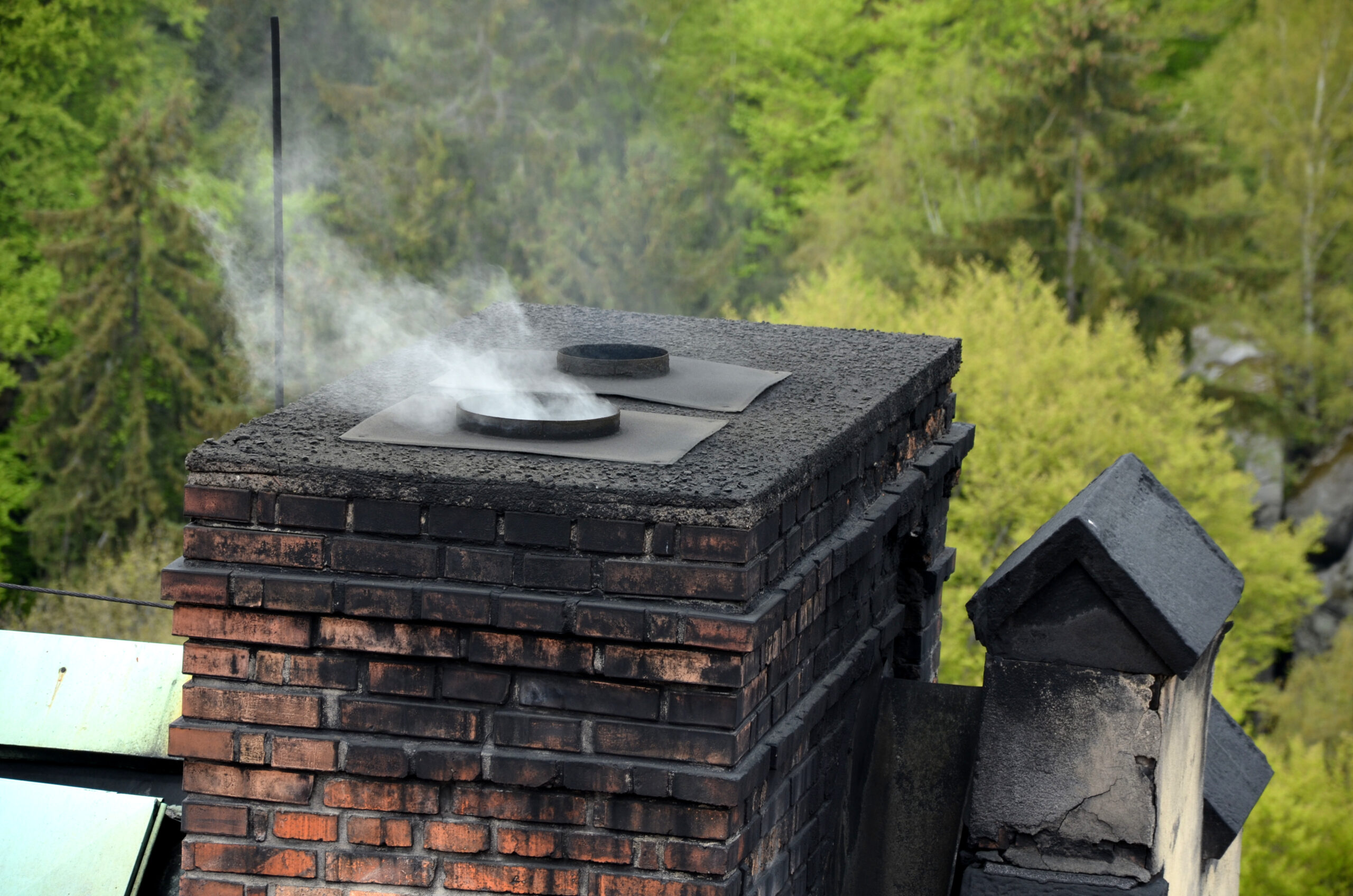
Soot from a chimney is part of using a fireplace or stove, but not all soot is the same. A light powder inside the flue can be normal, while thick tar-like buildup can be a warning sign. Knowing the difference helps protect your home from smoke problems, carbon monoxide, and even a chimney fire. If you live in Southeastern Wisconsin or Northeastern Illinois, Elite Chimney is here to help you understand what is safe, what is not, and when to schedule a professional inspection and cleaning.
What is soot and how does it form?
Soot is made of fine carbon particles created when wood or fuel does not burn completely. If your fire is cool, starved of oxygen, or fed with wet wood, more soot forms. As smoke travels up the chimney, it cools and the particles stick to the lining. Over time, soot can mix with condensed oils and become creosote. Creosote is much more dangerous because it can ignite at lower temperatures and burn very hot inside the flue.
Soot vs. creosote
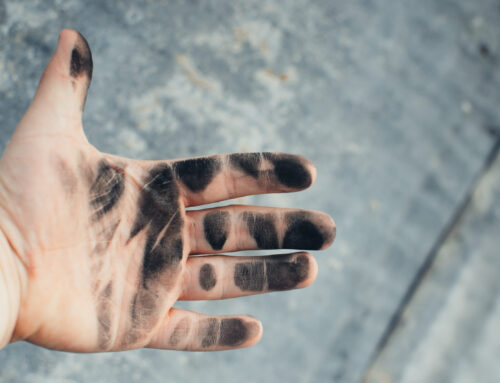
It helps to tell these two apart. Soot is usually a soft, powdery, gray or black dust that brushes off easily. Creosote can be sticky, crusty, or even hard and shiny. Sticky or shiny deposits point to a greater fire risk. If you see glassy, tar-like buildup, that is a job for a certified sweep like Elite Chimney.
What affects soot buildup
- Fuel quality: Dry hardwood produces less soot than wet or green wood.
- Burn temperature: Hot, bright fires burn cleaner. Cool smoldering fires create more residue.
- Air supply: Poor airflow or a partly closed damper increases soot from a chimney.
- Chimney design: A cold or oversized flue cools smoke too fast and raises deposits.
- Usage frequency: The more you burn, the faster soot and creosote can build up.
- Maintenance: A capped, lined, and regularly cleaned chimney stays cleaner and safer.
What does normal soot look like?
Normal soot from a chimney is a thin, even coating of soft, dark powder that you might notice on the smoke shelf, damper, or flue walls. It should brush off with light pressure. You may notice a faint smoky smell during damp weather, but it should not be strong. The glass on a gas fireplace should stay mostly clear with regular use, and the firebox bricks should show a light dusting rather than thick layers.
- Color: Gray or soft black is typical.
- Texture: Dry and powdery, not sticky or tar-like.
- Amount: Thin film rather than heavy clumps or flakes.
- Smell: Mild and smoky, not harsh or chemical.
When soot becomes a warning sign
Noticing heavy soot from a chimney is a sign of poor combustion or a draft issue. If soot is building quickly or showing up outside the fireplace, call a pro. Heavy buildup can mean creosote, moisture problems, or failed parts like a liner or damper. These issues raise the chance of a chimney fire and can push carbon monoxide into your living space. Elite Chimney can inspect and fix the source before it becomes dangerous.
- Thick flakes or chunks falling into the firebox.
- Sticky or tar-like deposits that smear when rubbed.
- Shiny, glazed creosote that looks like black glass.
- Strong, sharp odor that gets worse in humid weather.
- Smoke spilling into the room when starting a fire.
- Oily black stains around the fireplace or on siding near the chimney.
- Damper that sticks or feels gritty and coated.
- Discoloration or cracking in the liner or bricks.
Stages of creosote buildup
- Stage 1: Sooty, dusty flakes. Easier to brush away. Still needs cleaning.
- Stage 2: Crunchy, tar-like flakes. Harder to remove and more flammable.
- Stage 3: Hard, shiny glaze. Very difficult to remove and highest fire risk. Needs professional tools and skill.
Soot and different heating appliances
Wood-burning fireplaces and stoves
Wood appliances produce the most soot and creosote, especially when using wet wood or choking the fire to burn slowly. Keep the damper fully open during startup, let the fire establish strong flames, and use seasoned hardwood. If you rely on a wood stove, schedule more frequent inspections. Elite Chimney can help set a cleaning schedule based on how much you burn.
Gas fireplaces and gas log sets
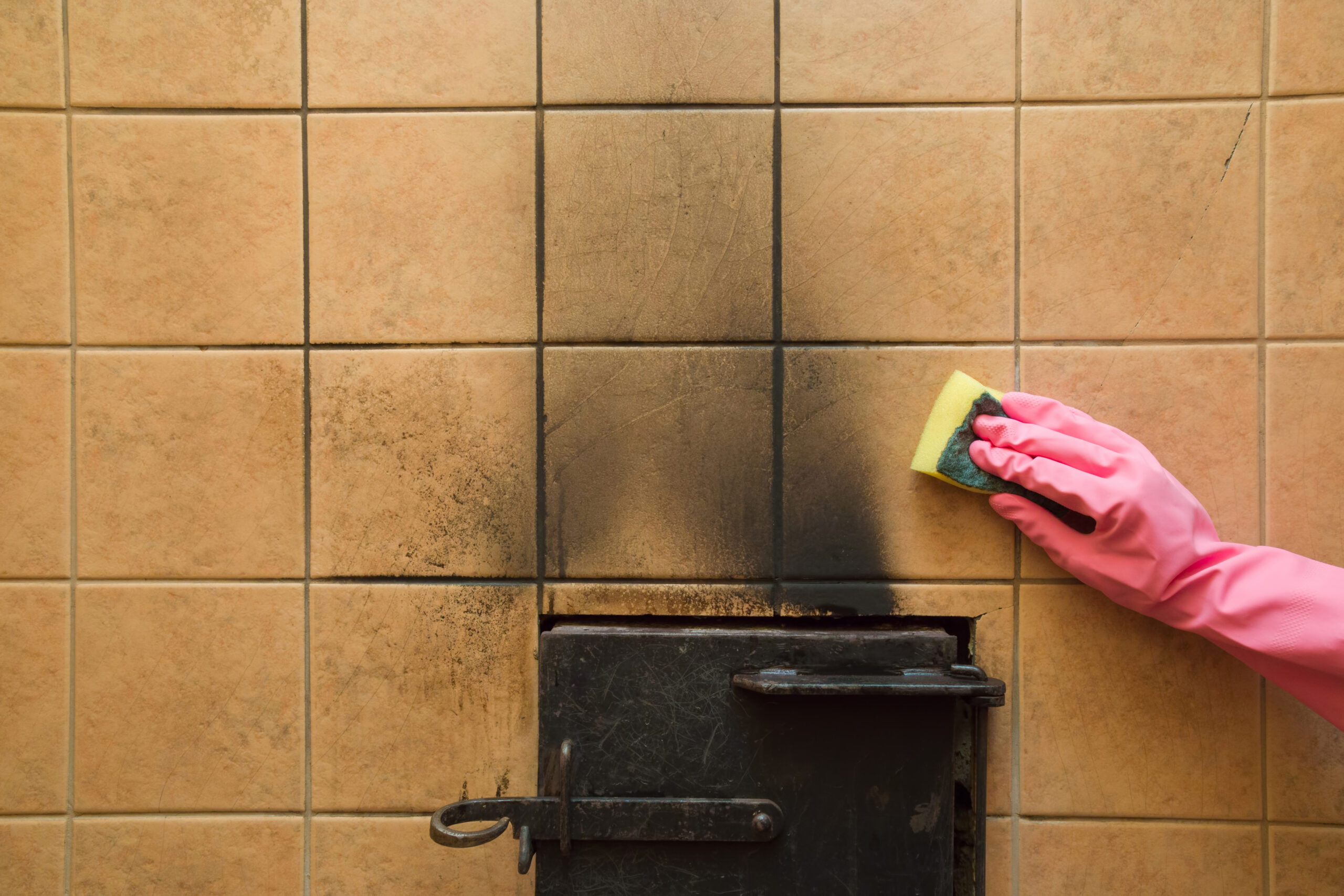
Gas fires burn cleaner than wood. You should not see much soot on the glass or logs. If you notice black streaks on the glass or soot on nearby walls, the air-fuel mix may be off or the venting may be blocked. This can be a safety concern. Elite Chimney services and maintains gas fireplaces and gas log sets to keep them efficient and safe.
Risks of ignoring heavy soot
- Chimney fire: Creosote can ignite and burn extremely hot inside the flue.
- Carbon monoxide exposure: Blocked flues can push CO into your home.
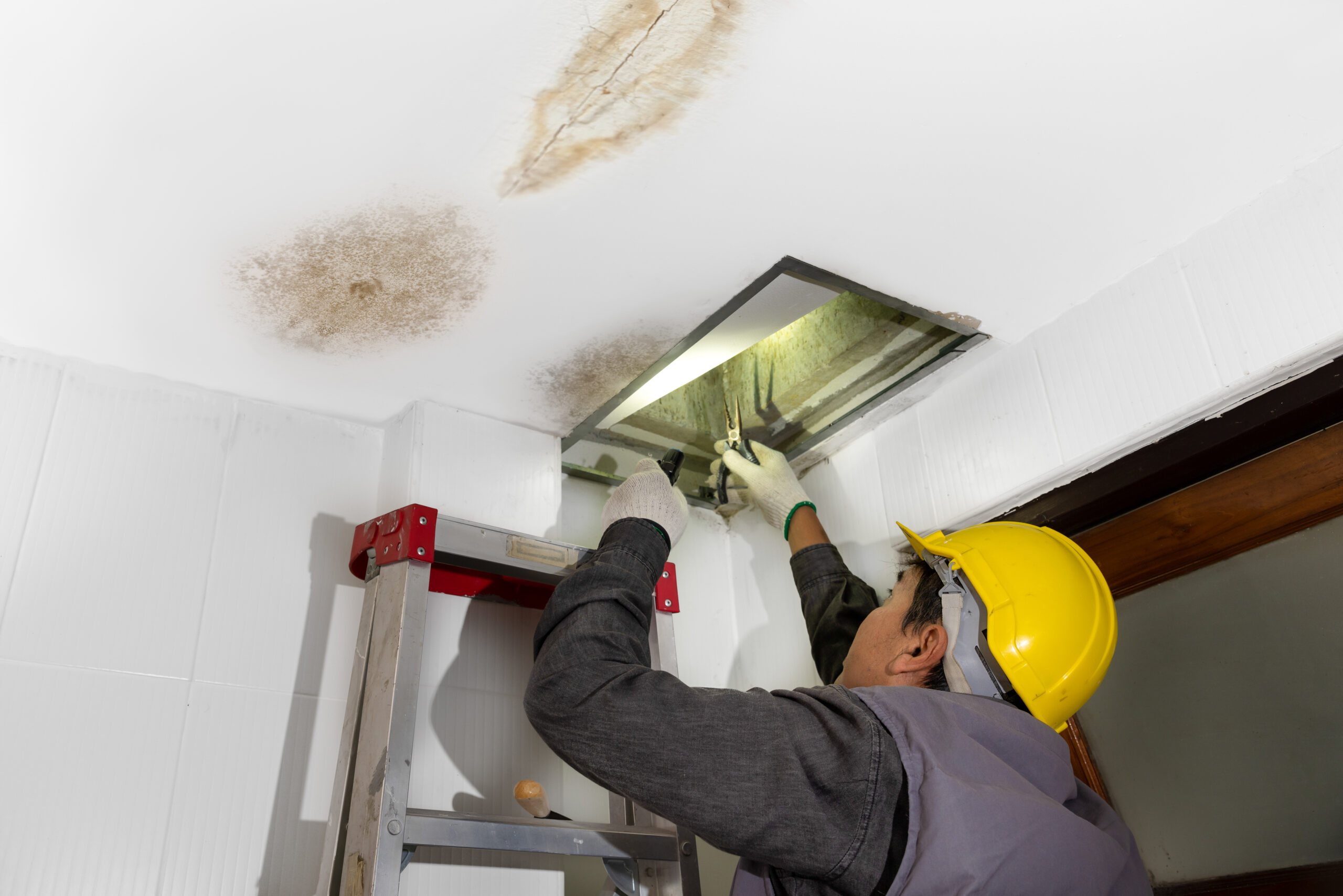
- Smoke damage: Black stains on walls, ceilings, and furnishings.
- Masonry damage: Acidic soot mixed with moisture can eat away mortar and metal parts.
- Water leaks: Soot can hold moisture and speed up chimney deterioration.
- Odors: Strong smells can linger and worsen in humid or rainy weather.
DIY checks you can do safely
You can do simple checks, but only when the fireplace is completely cool. If anything looks unusual, stop using the fireplace and call Elite Chimney.
- Flashlight test: Look up past the damper for thick flakes, shiny areas, or fallen chunks.
- White tissue test: Rub the inside of the firebox. A light gray dust is common. Heavy black smears suggest trouble.
- Glass check: On gas units, frequent black streaks on glass point to an issue.
- Smell test: Strong tar or campfire odors after rain means deposits are heavy.
- Cap check from the ground: With binoculars, see if the cap is in place and screen is clear.
When to call a professional sweep
- At least once a year for an inspection, even if you rarely burn.
- After buying a home or switching fuel types.
- When you notice smoke in the room or backdrafting.
- After storms or high winds that may damage the cap or masonry.
- If you see shiny or sticky buildup or hear a roaring sound in the flue.
- When chunks of soot from a chimney fall into the firebox.
Elite Chimney LLC is a Certified Chimney Sweep. Our team follows industry standards to keep your home safe. We serve Kenosha and the surrounding communities with prompt, friendly, and cost-effective service.
What Elite Chimney does during an inspection and cleaning
- Visual inspection: We check the firebox, damper, smoke chamber, flue, cap, crown, masonry, and flashing.
- Protective prep: We cover floors and furnishings and use filtered vacuums to control dust.
- Sweeping: We remove soot and creosote with specialized brushes and tools based on your chimney type.
- Camera scan: We use video inspection to spot cracks, gaps, and liner defects.
- Report and plan: We review our findings and recommend cleaning intervals or repairs.
Repairs and upgrades that reduce soot and improve safety
- Chimney caps and dampers: Keep out rain, animals, and debris while improving draft control.
- Chimney liners: Improve safety, boost draft, and bring older chimneys up to modern standards.
- Chimney leak repairs: Stop water entry that damages mortar and makes odors worse.
- Chimney rebuilding: Restore failing masonry, crowns, and shoulders for long-term stability.
- Fireplace refacing: Upgrade look and function while addressing smoke and draft issues.
- Gas fireplace service: Balance air-fuel mix and clean burners to reduce soot.
How often should a chimney be cleaned?
The National Fire Protection Association recommends a yearly inspection. Cleanings depend on what we find and how you use your fireplace. If soot from a chimney reaches about 1/8 inch, or if creosote is present, a cleaning is due. Heavy users of wood stoves may need two or more cleanings per season. Gas fireplaces still need an annual check to keep vents clear and parts in good shape.
How to reduce soot between visits
- Burn seasoned hardwood with less than 20 percent moisture.
- Start fires small and hot with dry kindling. Do not smolder logs for a long time.
- Keep the damper fully open while the fire is burning strong.
- Preheat the flue by holding a rolled newspaper near the damper before lighting.
- Do not burn trash, glossy paper, or wet wood.
- Make sure the chimney cap is in place and the screen is clear.
- Have a chimney liner sized to your appliance for better draft.
- Schedule annual inspections with Elite Chimney to catch issues early.
Service areas and who we are
Elite Chimney LLC is based in Kenosha, Wisconsin. We keep costs down by working efficiently and pass those savings on to you. Our certified sweeps follow strict safety standards and take pride in clear communication and honest recommendations.
- Wisconsin service areas: Kenosha County, including Kenosha, Pleasant Prairie, Bristol, Salem, and nearby towns. Racine County, including Racine, Mount Pleasant, Waterford, and more.
- Illinois service areas: Lake County, including Zion, Waukegan, Gurnee, Lake Forest, Highland Park, Libertyville, and nearby cities.
Whether you need chimney cleaning and inspection, chimney liners, help with chimney leaks, chimney caps and dampers, chimney rebuilding, gas fireplaces and gas log sets, or fireplace refacing, Elite Chimney has you covered.
Frequently asked questions
Is a little soot from a chimney normal?
Yes. A thin layer of soft gray or black dust is common. Thick, sticky, or shiny deposits are not normal and need attention.
Why does my gas fireplace get black soot on the glass?
Gas should burn clean. Soot on the glass can mean the air-fuel mix is off, the burner is dirty, or the vent is partially blocked. Turn it off and schedule service with Elite Chimney.
Can I use chimney cleaning logs instead of a professional cleaning?
Cleaning logs may help loosen light deposits, but they do not replace professional tools and inspections. If you have heavy buildup or glazed creosote, you need a certified sweep.
What is a chimney liner and do I need one?
A liner is a protective tube inside the chimney that improves draft and shields the structure from heat and acids. Many older chimneys need liners to meet code and improve safety. Elite Chimney installs and maintains chimney liners to match your appliance.
How long does a chimney cleaning take?
Most cleanings and inspections take about one to two hours, depending on the condition of the flue and access. If repairs are needed, we will review options and timeline on site.
What if I rarely use my fireplace?
You still need an annual inspection. Animals, weather, and time can damage a chimney even when it is not in use. An inspection catches issues before they become costly repairs.
When to call Elite Chimney
Call us if you notice strong odors, smoke in the room, dark stains on the exterior, soot falling into the firebox, or if you see shiny creosote in the flue. These are signs that soot from a chimney has moved from normal to risky. Our certified team can clean, repair, and improve your system so you can enjoy your fireplace with confidence.
Contact Elite Chimney
Elite Chimney LLC serves Southeastern Wisconsin and Northeastern Illinois with reliable, efficient chimney services. Get expert care at a fair price. Schedule today and protect your home.
- Address: 2100 82nd Street, Kenosha, WI 53143
- Phone: 262-358-4010
- Email: contact@elite-chimney.com
- Website: https://elite-chimney.com
The bottom line
A little soot from a chimney is expected, but thick, sticky, or shiny buildup is a red flag. Soot and creosote do not just reduce efficiency. They threaten safety. Annual inspections, timely cleanings, and smart burning habits make all the difference. If you are in Kenosha, Racine, or Lake County Illinois, Elite Chimney is ready to help with cleaning, repairs, liners, caps, dampers, rebuilding, gas fireplace service, and fireplace refacing. Book your inspection today and enjoy a cleaner, safer, and more efficient chimney all season long.