
Meet the black oily gunk: what it really is
If you look inside your chimney and see a shiny black coating that feels slick or sticky, you are looking at glazed creosote. Think of it as layers of hardened tar that have baked onto the chimney walls over time. It is sometimes called third degree creosote or Stage 3 creosote. Unlike the powdery soot you might brush away, glazed creosote clings tight, turns glossy, and becomes stubborn to remove without professional tools. Glazed creosote is the black, oily gunk in your chimney that threatens your family’s safety. In this guide, Elite Chimney explains what it means, why it forms, what it puts at risk, and how to fix it fast.
Why glazed creosote is so dangerous for your family
Creosote can exist in three stages, and glazed creosote is the most severe form. It is highly flammable and can ignite suddenly. A chimney fire can roar like a freight train and can reach temperatures that crack tiles, warp metal liners, and allow flames or embers to reach framing inside the walls. Even if it does not ignite, glazed creosote narrows the flue and can block the safe flow of smoke. That increases the risk of carbon monoxide entering your living space. Carbon monoxide is colorless and odorless, and it can make your family sick fast. The sticky acids in glazed creosote can also corrode stainless steel and eat away at masonry, which shortens the life of your chimney system and can lead to costly rebuilds. For families in Southeastern Wisconsin and Northeastern Illinois who rely on their fireplaces through long winters, this risk is real. Elite Chimney sees the damage up close, and we know quick action matters.
How to tell if you have glazed creosote
Some signs are visible from the firebox, while others show up as smells or performance issues. A certified inspection is the only way to confirm the stage and plan safe removal. Watch for these red flags between annual inspections.
- A shiny, black, glass-like coating on the flue tiles or liner
- Thick, tar-like deposits that feel smooth or hard, not flaky
- Strong, smokey or tar odor, especially in warm or humid weather
- Smoke backing up when starting a fire, or poor drafting
- Rumbling sounds during use that can hint at partial ignition
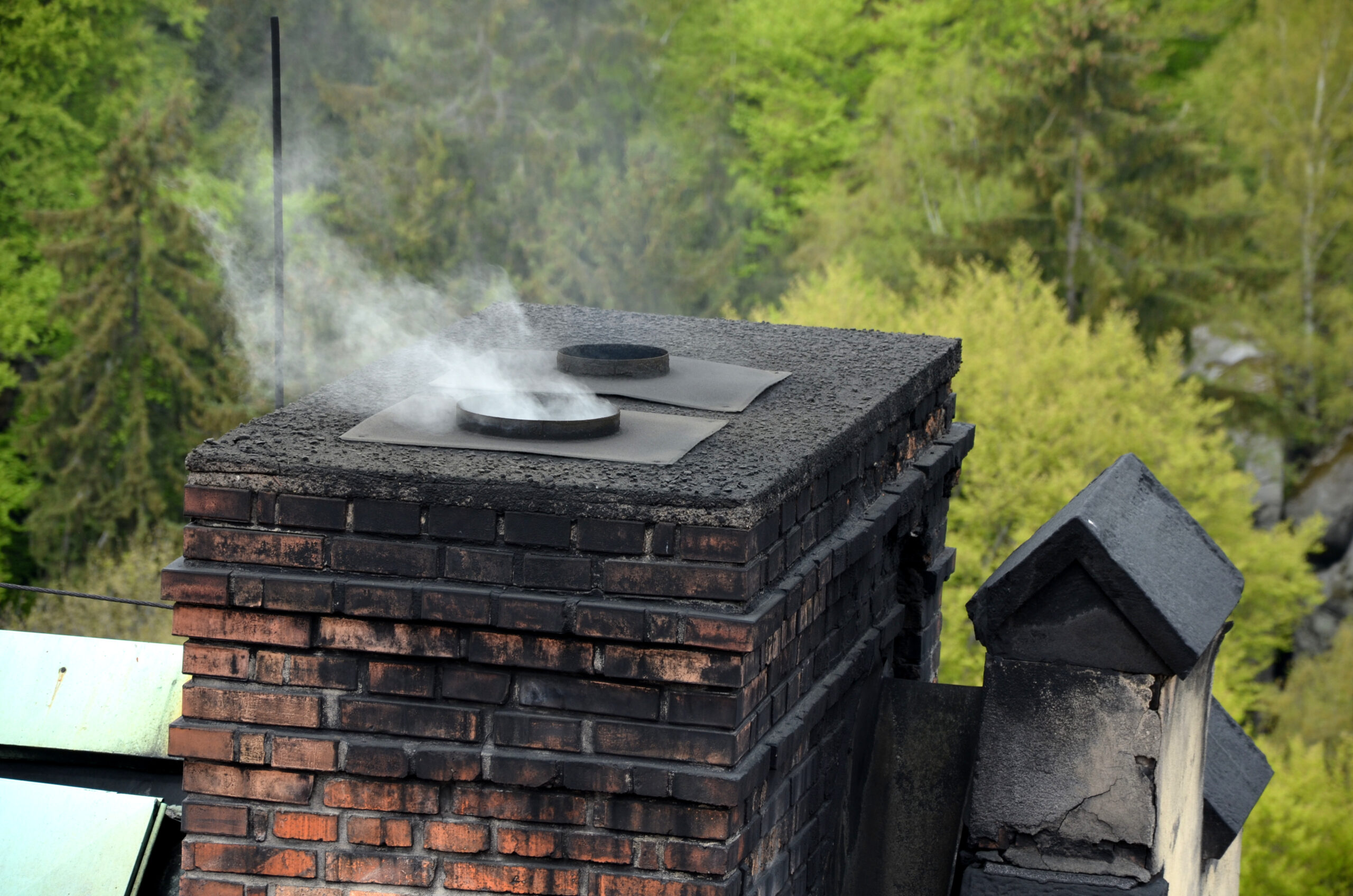
- Excessive dark stains at the top of the chimney or on the chimney cap
If you notice any of these signs, stop using the fireplace and call Elite Chimney for a Certified Chimney Sweep inspection. We will document what we find and outline the safest next steps.
What causes glazed creosote to form
Glazed creosote forms when smoke cools too quickly and condenses into heavy tar that sticks to cold chimney walls. Over time, heat bakes those layers until they harden and turn glossy. Several common habits and conditions speed this up.
- Burning unseasoned or wet firewood that produces cooler, dirtier smoke
- Frequent low, smoldering fires that never heat the flue fully
- An oversized or underperforming appliance that drafts poorly
- Restricted airflow from a closed or partially closed damper
- A cold chimney located on an outside wall without a proper liner
- Short chimneys or complex flue paths that slow the movement of smoke
- Improperly installed or damaged chimney caps and dampers
In our region, the freeze-thaw cycle and long heating season make chimneys especially vulnerable. Elite Chimney helps homeowners in Kenosha, Racine, and Lake County identify which of these factors are at play so you can stop the buildup at the source.
Can you remove glazed creosote yourself
Short answer, no. Glazed creosote does not brush off with consumer tools. Trying to chip or scrape it with improvised tools can crack clay tiles, gouge metal liners, or drive the tar deeper into seams. Some store-bought powders may loosen light creosote but they will not safely remove thick, glossy layers. More important, any cleaning attempt done without proper ventilation control and protective gear can release dangerous dust and fumes into your home. There is a real fire risk during removal if the work overheats the deposits. That is why the safest choice is to hire a Certified Chimney Sweep. Elite Chimney technicians are trained to identify the stage, select the right method, and protect your home while we work.
How the pros at Elite Chimney remove glazed creosote
Every chimney is different, so we begin with a full inspection. Our team documents the interior with specialized cameras and checks the liner, smoke chamber, damper, and cap. Then we match the method to the severity of the glaze and the type of liner.
Inspection and preparation
We protect the home with floor coverings and dust control, then isolate the work area. We explain our plan and answer questions before we begin. Safety comes first for your family and for our team.
Chemical treatment to break the glaze
For many jobs, we apply an industry-grade creosote remover that changes the structure of the glaze. It turns the tar into a brittle, brushable form over one or more visits. These are not retail products. They are applied under controlled conditions with the right personal protective equipment.
Mechanical removal
Once the glaze is weakened, we use rotary cleaning systems with flexible rods and specialized chains or cables that gently strike the surface at a calibrated speed. The goal is to remove the creosote without harming the liner. We adjust tools for clay, stainless steel, or cast-in-place liners.
Smoke chamber and firebox attention
The smoke chamber above the damper often hides heavy creosote. We use chamber-specific tools and, when needed, parging to smooth rough surfaces that trap soot. We also clean and inspect the firebox, damper, and appliance connections.
Final inspection and documentation
When removal is complete, we reinspect the flue and provide a written report. If we find damage that requires repair, such as cracked tiles or a compromised liner, we review options. Elite Chimney installs and maintains chimney liners, caps, and dampers to restore safety and draft efficiency.
Prevention tips that actually work
Stopping glazed creosote before it starts saves money and gives you peace of mind. These steps make a real difference in our climate.
- Burn only seasoned hardwood with a moisture content under 20 percent
- Start hot fires and allow the flue to warm quickly during startup
- Keep the damper fully open when the fire is burning
- Avoid smoldering or overnight low fires that starve the system of air
- Install a properly sized chimney liner to keep flue gases hotter
- Use a quality chimney cap and a tight sealing damper to reduce moisture
- Schedule an annual cleaning and inspection before the heating season
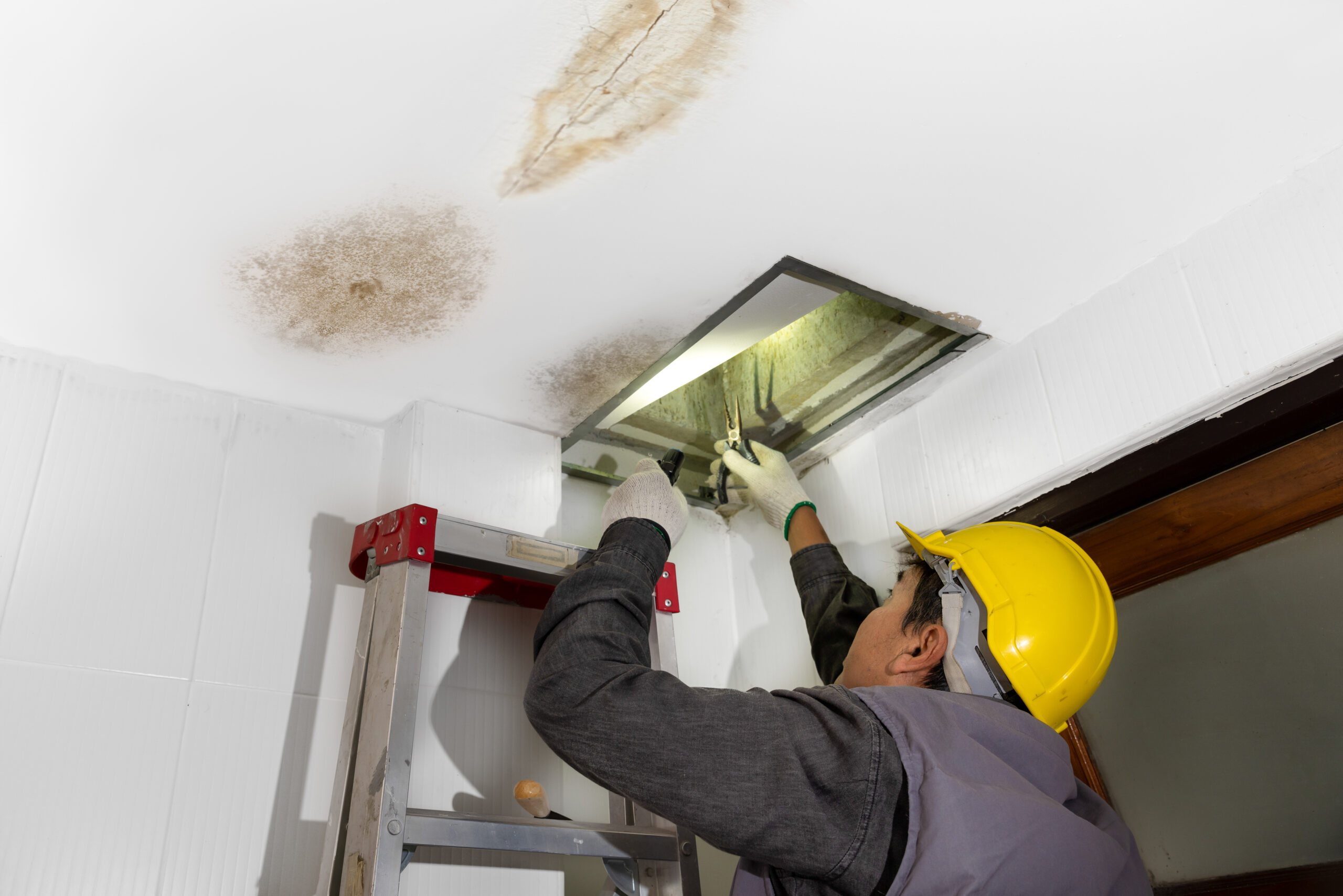
- Address water leaks right away since moisture accelerates creosote hardening
Elite Chimney offers chimney cleaning and inspection, liner upgrades, cap and damper installation, leak repair, and rebuilds. If you use a gas fireplace or gas log set, maintenance still matters. Gas appliances can produce moisture and acidic byproducts that damage liners, so an annual check helps catch problems early.
How soon should you act and what does it cost
If you suspect glazed creosote, stop using your fireplace and call right away. Delaying increases fire risk, makes removal harder, and can raise repair costs if a chimney fire occurs. The cost to remove glazed creosote varies by severity, access, and liner type. A moderate job may take a few hours. Severe buildup may require multiple visits and follow-up inspections. Elite Chimney keeps prices competitive by minimizing overhead and focusing on efficient, professional service. We will provide a clear quote after inspection, explain your options, and never upsell unnecessary work.
Do building codes and insurance care about glazed creosote
Yes. Building standards require that chimneys be maintained in a safe condition and free of hazardous deposits. After a chimney fire, insurers often request inspection documentation from a Certified Chimney Sweep. Heavy creosote buildup can complicate claims, especially if maintenance has been neglected. Elite Chimney provides detailed reports with photos, which can help you document proper care and any needed repairs. We also make sure your system meets local code and manufacturer guidelines after any liner or appliance work.
Why homeowners in Wisconsin and Illinois choose Elite Chimney
Elite Chimney LLC is a Certified Chimney Sweep based in Kenosha, Wisconsin. We serve Southeastern Wisconsin and Northeastern Illinois with a simple promise. Expert service, honest guidance, and competitive pricing. Our team combines training with the right tools to solve tough problems like glazed creosote, leaks, and draft issues. We explain your options in plain language and stand behind our work. Whether you need routine cleaning or a full chimney rebuild, we treat your home with care.
Our services
- Chimney cleaning and inspection for safe, efficient performance
- Chimney liners to improve safety, draft, and appliance compatibility
- Chimney leaks, repair and prevention to stop water damage
- Chimney caps and dampers to keep out animals, debris, and weather
- Chimney rebuilding for damaged or aging masonry
- Gas fireplaces and gas log sets, installation and maintenance
- Fireplace refacing for a fresh look that fits your style
Service areas we cover
We proudly serve homeowners across Southeastern Wisconsin and Northeastern Illinois.
Wisconsin
- Kenosha County, including Kenosha, Pleasant Prairie, Bristol, Salem, and nearby communities
- Racine County, including Racine, Mount Pleasant, Waterford, and surrounding areas
Illinois
- Lake County, including Zion, Waukegan, Gurnee, Lake Forest, Highland Park, Libertyville, and neighboring cities
Not sure if we serve your home? Call Elite Chimney at 262-358-4010 and our team will help.
Ready to protect your home? Schedule with Elite Chimney
If you see black, shiny buildup or smell a strong tar odor, do not wait. Book an inspection so we can confirm whether it is glazed creosote and outline a safe plan to remove it. Elite Chimney makes scheduling easy and stress free. Contact us at 262-358-4010, email contact@elite-chimney.com, or visit https://elite-chimney.com to request service. Our office is located at 2100 82nd Street, Kenosha, WI 53143. We are ready to help you enjoy your fireplace with confidence.
Quick FAQs about glazed creosote
What is the difference between soot, creosote, and glazed creosote
Soot is a loose black powder that brushes off easily. Creosote starts as flakes or crunchy tar that can still be removed with the right tools. Glazed creosote is a hardened, shiny layer that bonds to the liner and requires chemical and mechanical treatment by a professional.
How often should I have my chimney cleaned
For wood-burning systems, schedule an inspection and cleaning at least once a year or after burning a cord of wood. If you notice odors, smoke issues, or heavy deposits, schedule sooner. Gas fireplaces also need annual inspections to check the venting, seals, and safety systems.
Can a chimney fire start from glazed creosote even if I only burn small fires
Yes. Glazed creosote can ignite from a small fire or even from embers that flare. Small, smoldering fires also create more creosote. It is safer to burn a well-managed fire with seasoned wood and a fully open damper.
Will a new chimney cap help prevent glazed creosote
A properly sized cap keeps out rain and animals, both of which can worsen buildup. It will not replace proper fuel and burning habits, but it is a key part of a healthy system. Elite Chimney installs quality caps and can size them to your flue.
Do I need a new liner if I had glazed creosote
Not always. If removal reveals cracks, gaps, or corrosion, we may recommend a liner repair or replacement. A good liner improves draft, keeps flue gases hotter, and reduces future creosote. We will explain the condition we find and give options.
The bottom line
Glazed creosote is not just messy. It is a real fire and health risk for your home. The shiny, hardened tar builds when smoke cools too fast, usually due to wet wood, smoldering fires, or a cold or poorly sized flue. It does not come off with a simple brush and it can hide serious damage underneath. The safest move is to stop using the fireplace and call a Certified Chimney Sweep. Elite Chimney brings expert inspection, proven removal methods, and practical solutions to prevent it from coming back. If you live in Kenosha, Racine, or Lake County, we are nearby and ready to help. Call 262-358-4010, email contact@elite-chimney.com, or visit https://elite-chimney.com to schedule your inspection today. Protect your family, your home, and your peace of mind by dealing with glazed creosote the right way.