Cold Air From Your Fireplace: What It Means and How to Stop It
Feeling a chilly draft coming from your fireplace when it is not in use can be frustrating and uncomfortable. If your living room feels colder near the hearth, you likely have an airflow or sealing issue inside the chimney system. In many cases, fireplace damper repair is the most effective way to stop the cold breeze and restore comfort. This guide explains the common causes, simple tests you can try, and the professional solutions that keep warm air in and cold air out. If you live in Southeastern Wisconsin or Northeastern Illinois, Elite Chimney can inspect your system and recommend the right fix.
Why Does Cold Air Come Down My Chimney?
The Stack Effect and Negative Pressure
In winter, warm air rises inside your home and escapes through gaps in the attic or upper floors. This is called the stack effect. When that happens, your house pulls in replacement air from lower openings. An open or leaky fireplace becomes a prime entry point for that cold makeup air. The result is a steady draft at the hearth even when there is no fire.
Damper Problems
The damper is a metal plate that opens for a fire and closes to seal the flue when you are not burning. If the damper is stuck open, warped, rusted, misaligned, or does not fully seat, cold air slips through the gap. Even a half inch opening can feel like a steady breeze. Fireplace damper repair or replacement is often the fastest way to solve this problem and keep your living space warm.
Missing or Failing Chimney Cap
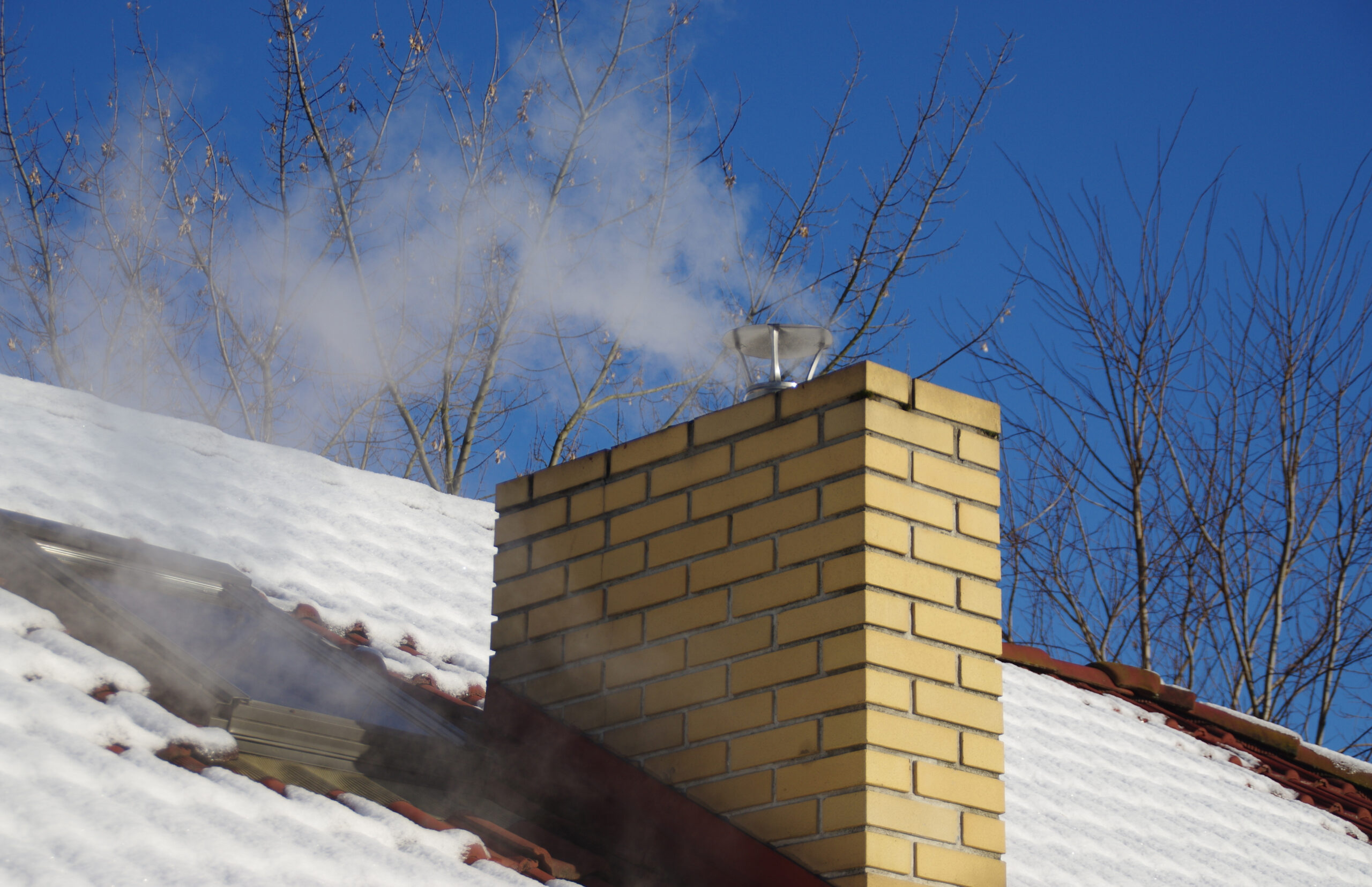
A quality chimney cap blocks wind, rain, animals, and debris. Without a cap, gusts can push air straight down the flue. Wind can also create a vacuum over the chimney that pulls air out of the home. A cap with a proper screen and cover helps stabilize airflow and reduce downdrafts.
Flue Size and Liner Issues
If the flue is too large for the fireplace opening, or if the liner is cracked or missing, air can tumble in the wrong direction. A mismatched or damaged liner can cause persistent drafting problems, smoke spillage during fires, and cold air infiltration when the hearth is cold. Correcting the liner size and condition can improve draft and sealing.
Wind and Weather Patterns
Strong winds, nearby rooflines, and tall trees can create turbulence over the chimney top. This can push smoke back into the room during a fire and pull cold air in when the fireplace is idle. Caps, top-sealing dampers, and height adjustments can reduce these wind effects.
Masonry Gaps and Air Leaks
Loose mortar joints, a cracked smoke shelf, gaps around the damper frame, and deteriorated firebox bricks all give cold air new paths into your room. Sealing those pathways and rebuilding worn surfaces restores the fireplace envelope so it holds back outside air.
What Is a Fireplace Damper and Why Does It Matter?
Your fireplace damper sits either at the throat just above the firebox or at the top of the chimney. It opens to let smoke up and closes to seal the chimney when there is no fire. A tight damper helps your home hold heat, reduces energy waste, and lowers the risk of cold drafts. When it fails, you lose control of airflow. Fireplace damper repair restores that control so your fireplace works as intended.
Quick Checks You Can Do Before Calling a Pro
Simple At-Home Tests
- Match or lighter test. With the fireplace cold and the damper closed, hold a lit match near the damper area. If the flame leans inward or flickers strongly, air is pulling through a gap or around the damper.
- Flashlight inspection. Shine a bright light up past the throat. Look for rust flakes, warped metal, broken hinges, or missing damper sections. Check if the damper closes evenly across the opening.
- Paper feel test. Hold a thin piece of tissue near the fireplace opening. If it flutters with the damper closed, outside air is leaking in.
- Look up at the cap. From the ground, use binoculars to check for a missing, loose, or damaged cap. Avoid climbing the roof unless you are trained and safe.
- Check nearby vents and exhaust fans. Dryer vents, range hoods, and bath fans create negative pressure. Turn them off and see if the draft lessens.
Common Fixes That Often Solve the Problem
Fireplace Damper Repair
When the damper is the culprit, a technician can often realign, lubricate, and reseat it so it closes tightly. If the metal is warped, cracked, or rusted through, replacement is more reliable. Elite Chimney can repair throat dampers and install top-sealing dampers that provide a gasket-like seal at the chimney crown. Top-sealing units are excellent for stopping cold air, chimney odors, and water entry when the fireplace is not in use.
Top-Sealing Damper Installation
A top-sealing damper sits at the very top of the flue, controlled by a cable inside the firebox. It closes with a spring-loaded lid and a silicone gasket. This creates an airtight seal that blocks cold air, rain, and nesting animals. Many homeowners see an immediate difference in comfort and energy savings after this upgrade.
Chimney Cap Replacement
If the cap is missing, undersized, or bent, a new cap helps stabilize draft and keep your chimney dry. Caps are simple but powerful in windy areas like the open fields around Kenosha County, Racine County, and Lake County. They cut down on downdrafts and keep debris out of the flue.
Chimney Liner Repair or Right-Sizing
If the flue is too large for the fireplace, smoke rolls and air movement becomes unpredictable. Installing a properly sized stainless steel liner improves draft during a fire and reduces backdrafts when it is cold. A sound liner also protects masonry from heat and acids.
Sealing Air Leaks and Rebuilding Worn Areas
Cracked mortar, gaps around the damper frame, and a damaged smoke shelf all allow air to travel where it should not. Tuckpointing, smoke shelf sealing, and firebox repairs help close those paths so the interior of the chimney works as a properly sealed system.
How Elite Chimney Diagnoses and Fixes Cold Fireplace Drafts
Elite Chimney LLC is a Certified Chimney Sweep serving Southeastern Wisconsin and Northeastern Illinois. Our team blends training with practical experience in cold climate homes. We know how winter winds and the stack effect impact your chimney. Our process is straightforward and efficient to keep costs reasonable without cutting corners.
- Chimney cleaning and inspection. We start by clearing soot and checking all accessible surfaces. A clean flue is essential for accurate testing and clear views of the damper, smoke chamber, and liner.
- Draft evaluation. We use smoke and pressure checks to see how air moves through your fireplace and chimney. We test the damper seal and look for hidden gaps.
- Recommendations. Based on what we find, you get clear options. This can include fireplace damper repair, a top-sealing damper, a new cap, liner adjustments, or masonry fixes.
- Repair or upgrade. We complete the work with attention to safety and performance. Our goal is to stop the cold air and improve your fireplace for the long term.
- Follow-up guidance. We provide care tips, seasonal advice, and a recommended inspection schedule so your fireplace keeps performing well.
Elite Chimney serves Kenosha, Pleasant Prairie, Bristol, Salem, Racine, Mount Pleasant, Waterford, and surrounding communities in Wisconsin. We also serve Zion, Waukegan, Gurnee, Lake Forest, Highland Park, Libertyville, and nearby cities in Illinois. If you need fireplace damper repair or any chimney service, call 262-358-4010 or email contact@elite-chimney.com to schedule.
Signs You Need Fireplace Damper Repair or Replacement
- You feel a steady cold draft from the firebox with the damper closed.
- You see light around the damper edges when shining a flashlight.
- The damper handle is hard to move or will not stay in position.
- There is rust flaking from the damper frame or blade.
- Cold outside odors come from the fireplace when idle.
- Smoke spills into the room at the start of a fire or during windy days.
- You notice water stains or debris falling from above the damper.
Top-Sealing Damper vs Throat Damper: Which Is Better?
Many older masonry fireplaces have a throat damper just above the firebox. Throat dampers can work well, but they often warp over time and rarely seal tightly. A top-sealing damper sits above the flue at the crown and closes against a gasket. It typically provides a tighter seal that blocks cold air and water when the fireplace is off. In cold winter regions like Wisconsin and Illinois, a top-sealing damper is one of the most effective upgrades for comfort and efficiency. Elite Chimney installs high quality top-sealing dampers that are built to last.
Other Ways to Cut Fireplace Drafts and Improve Warmth
- Install tight-fitting glass fireplace doors. They reduce room air loss when the fire burns down and limit cold air flow when not in use.
- Add a properly sized chimney cap with a solid cover and mesh screen.
- Weatherstrip nearby windows and doors to reduce negative pressure near the fireplace.
- Consider a makeup air solution if your home has strong exhaust appliances or is very tight.
- Upgrade to a gas fireplace insert or gas log set if you want consistent heat with fewer draft issues. Elite Chimney installs and services gas fireplaces and gas log sets.
- Repair and seal the smoke chamber, smoke shelf, and firebox as needed.
- Make sure your attic has proper air sealing and insulation to reduce the stack effect pulling air from the fireplace.
Frequently Asked Questions
Is it safe if cold air is coming from my fireplace?
Cold air itself is not a direct hazard, but it points to a sealing or draft issue. If air can enter freely, smoke and combustion byproducts could also reenter your home under the right conditions. It is smart to schedule an inspection to confirm that safety systems and clearances are in good shape.
Will a chimney balloon or plug fix the draft?
Temporary plugs can reduce airflow in the short term, but they are not a substitute for fireplace damper repair or proper sealing. Some devices can be dislodged and block the flue during a future fire, which is dangerous. A professional solution is safer and more reliable.
Can I use spray foam or caulk inside the fireplace?
No. Many sealants are not rated for high heat and can create a fire hazard. Repairs near the firebox, damper, or smoke chamber should use high temperature materials and be completed by a qualified technician.
How often should my chimney be inspected?
The National Fire Protection Association recommends annual inspections for all fireplaces and chimneys. Even if you rarely use your fireplace, a yearly check can catch damper problems, cap issues, and water damage before they become big repairs.
What if my home has a gas log set?
Gas systems need proper venting and a functional damper too. Some gas logs require the damper to be locked partially open. Others vent through a liner or direct vent pipe. If you feel drafts around a gas setup, Elite Chimney can check the installation and make adjustments that maintain safety and improve comfort.
Why Homeowners Choose Elite Chimney
Elite Chimney LLC is based in Kenosha, Wisconsin and serves homeowners across Southeastern Wisconsin and Northeastern Illinois. Our team of certified chimney sweeps delivers professional cleaning, inspection, and repair at competitive prices. We keep overhead low so we can focus on quality work and honest recommendations. Whether you need fireplace damper repair, a new chimney cap, a stainless steel liner, or a full chimney rebuild, we bring careful workmanship and clear communication to every job.
Our Services
- Chimney cleaning and inspection for safe, efficient performance.
- Chimney liners sized and installed for better draft and protection.
- Chimney leak repair to stop water damage and staining.
- Chimney caps and dampers to block weather, animals, and cold air.
- Chimney rebuilding for aging or storm-damaged structures.
- Gas fireplaces and gas log sets installed and maintained.
- Fireplace refacing to refresh the look and function of your hearth.
Local Expertise for Wisconsin and Illinois Winters
Our service area includes Kenosha County and Racine County in Wisconsin, and Lake County in Illinois. From Kenosha and Pleasant Prairie to Racine and Mount Pleasant, and from Zion and Waukegan to Gurnee, Lake Forest, Highland Park, and Libertyville, our team understands how lake effect winds and cold snaps impact chimneys. We match solutions to the realities of Midwest weather so your fireplace feels like an asset, not a draft source.
Get Rid of the Cold Breeze: Schedule Today
If your fireplace is letting cold air in, do not wait for deeper winter to set in. A clean inspection and targeted fireplace damper repair can fix the draft and help you save on heating bills. Contact Elite Chimney to schedule service or request an estimate.
Call: 262-358-4010
Email: contact@elite-chimney.com
Visit: https://elite-chimney.com
Address: 2100 82nd Street, Kenosha, WI 53143
Final Thoughts
A cold fireplace draft is more than a nuisance. It signals that the chimney is not sealed or balanced the way it should be. The good news is that the fix is usually straightforward. In many homes, solving the problem comes down to one or two targeted steps like fireplace damper repair, a top-sealing damper install, or a new cap. Elite Chimney will inspect, explain what is happening, and deliver the repair that makes your living room feel cozy again. Warmth and comfort are within reach. Reach out today and enjoy your hearth all winter long.