Chimney Liner Problems You Can Spot Without Tools
Chimney liner problems can put your home at risk. The good news is you can spot many warning signs without taking anything apart. This guide shows you safe, simple checks you can do from the ground and from your living room. If anything looks off, Elite Chimney is ready to help with a certified inspection and clear next steps.
Why Your Chimney Liner Matters
The chimney liner is a protective tube inside your chimney that carries smoke and gases out of your home. It shields the brick and mortar from heat and acids, improves draft, and helps block flames and embers from reaching wood framing. When the liner is damaged, heat and gases can leak into walls or living spaces. That can lead to carbon monoxide issues, masonry decay, and even a house fire. If you suspect chimney liner problems, it is smart to act fast and keep your family safe.
Safety First Before You Check
Do not climb on the roof or open sealed parts of your system. Let the fireplace cool completely before you look inside the firebox. Turn off gas to gas logs if you will be inspecting the firebox area. Make sure carbon monoxide detectors are installed and working on each level of your home. If you smell strong smoke at odd times, or your CO alarm sounds, stop using the fireplace and call a pro like Elite Chimney right away.
Simple Indoor Checks You Can Do Today
Check How Smoke and Draft Behave
Draft tells you a lot about the health of your chimney. You do not need tools to test it.
- With a wood fireplace, light a small piece of rolled newspaper in the firebox near the damper. Watch if the smoke goes up right away or stalls in the room.
- If smoke spills into the room, your liner may be blocked, undersized, or damaged. Cold air falls through cracks too, which can disrupt draft.
- Listen for a low whooshing sound during a normal fire. A sharp roaring sound may point to a past creosote flare-up, which can crack clay tiles.
- With a gas log set, watch the flame. Lazy yellow flames and soot on the glass can mean weak draft or a liner that is not venting correctly.
Use Your Nose and Ears
Odors and sounds can hint at liner issues without you taking anything apart.
- Strong campfire smell in warm or wet weather often means creosote is damp inside a cracked liner.
- Sharp tar or asphalt-like odor after rain can point to creosote soaking into masonry because the liner has gaps.
- Metallic or overheating smells near the fireplace may show hot gases are leaking out of the flue path.
- Scratching or chirping can mean animals entered through a missing cap or a broken top tile. Nests and debris can push against liners and create blockages.
Look Inside the Firebox and Damper Area
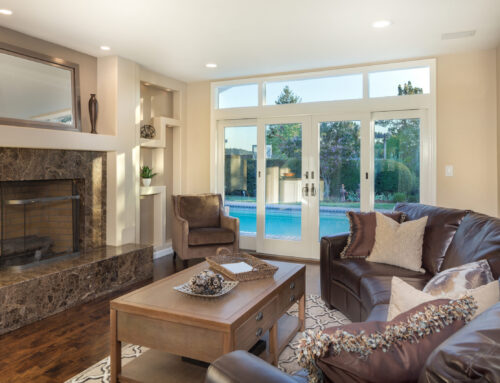
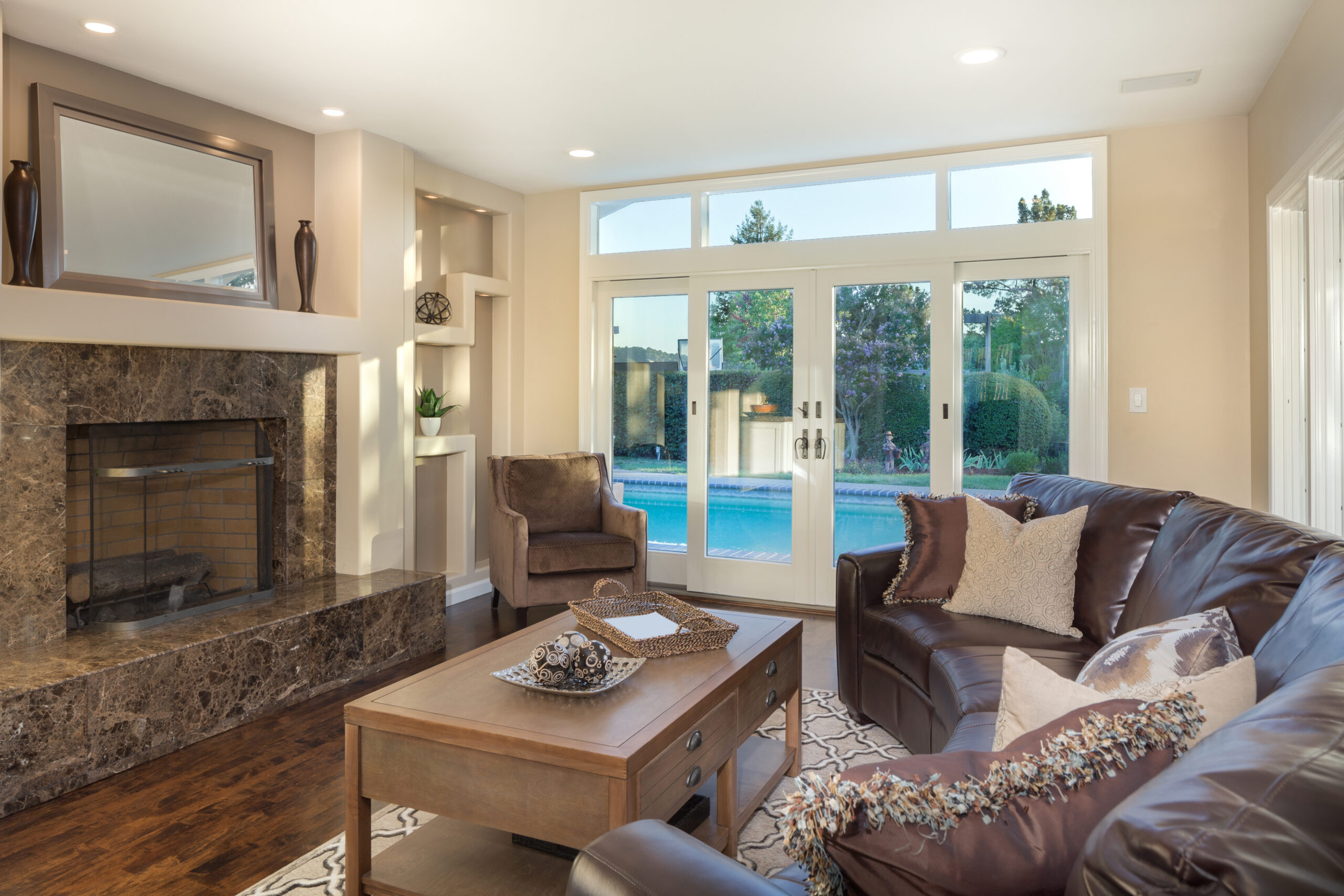
You can see key clues by kneeling at the fireplace opening and using a flashlight.
- Clay flakes or thin, curved pieces of tile on the smoke shelf or in the firebox are a red flag. This is known as shaling and signals cracked clay liner tiles above.
- Rust on the damper or on metal fireplace parts points to moisture coming down from leaks around the liner. Moisture eats away at metal and mortar.
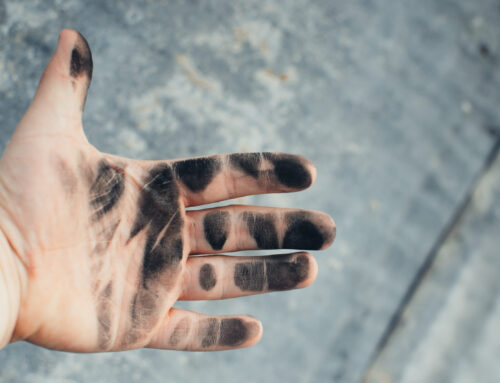
- Heavy, puffy, or flaky soot that looks blistered can be a sign of a past flare-up that damaged the liner.
- Water lines, damp ash, or a musty smell in the firebox also signal water entry. Water and freeze-thaw cycles break liners over time.
- With a gas fireplace, look for condensation on glass or streaks on decorative logs. That can point to venting or liner sizing problems.
Check Nearby Walls and Surrounding Masonry
Heat and water that escape a damaged liner can leave marks you can see without opening anything.
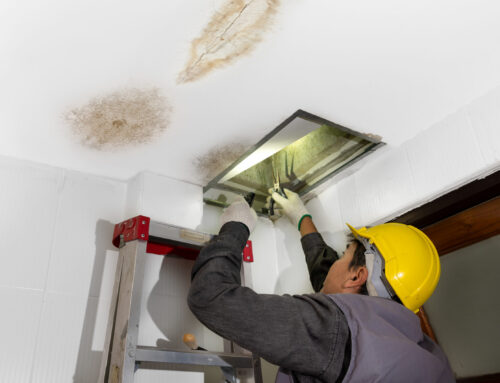
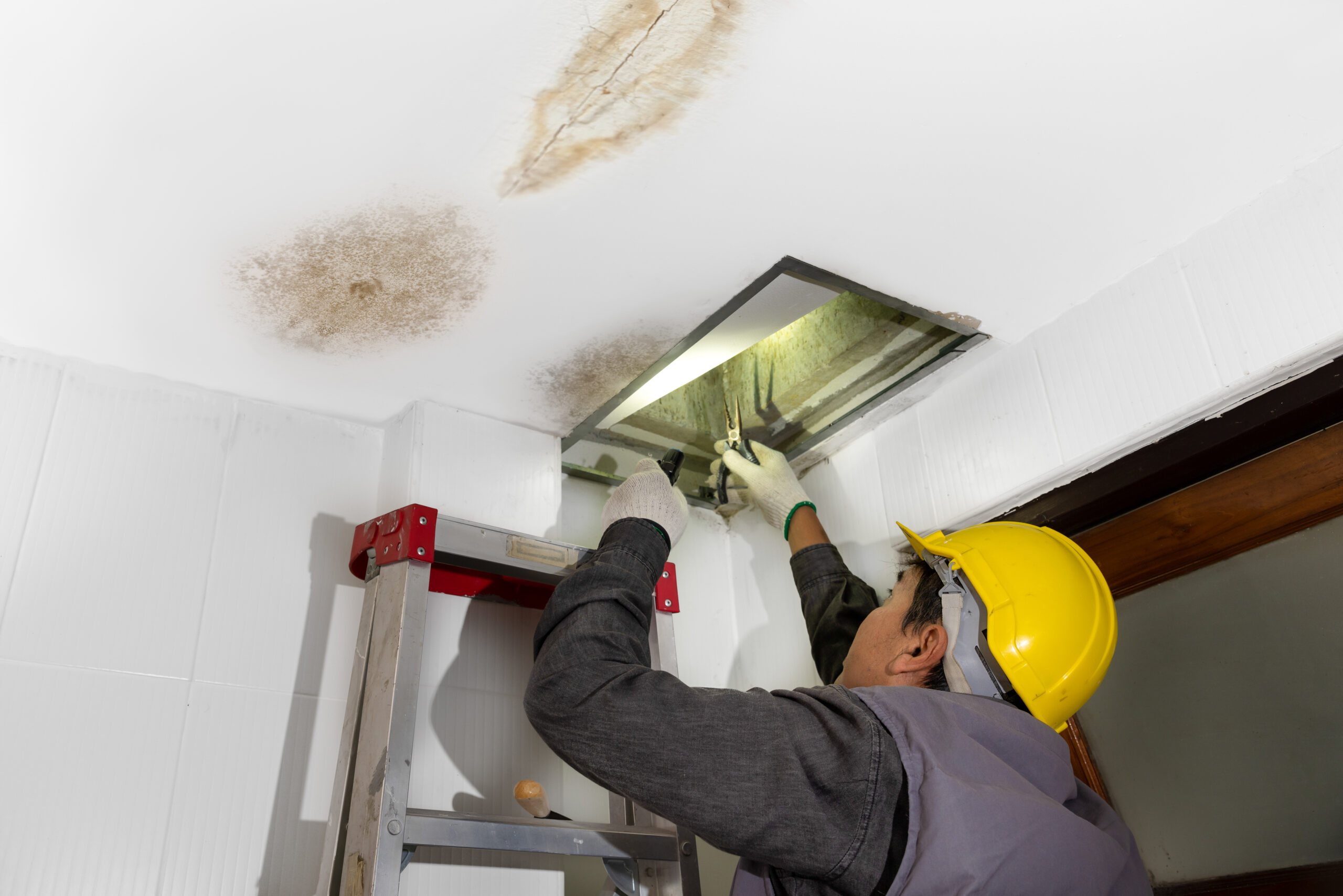
- Yellow or brown stains on walls or ceilings near the chimney chase can signal moisture from flue gaps.
- White, powdery deposits on exposed brick near the fireplace are called efflorescence. This means water is wicking through masonry, often due to liner or crown issues.
- Cracks in the smoke chamber above the damper that you can see with a flashlight point to heat stress. A cracked smoke chamber often pairs with a damaged liner.
Easy Outdoor Clues You Can Spot From the Ground
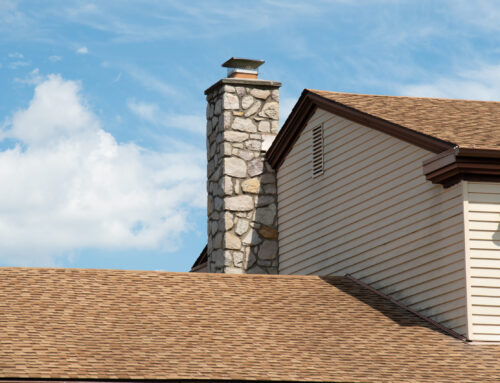
You do not need to climb a ladder to find signs of trouble outside. Stand back where you can see the full chimney top to bottom.
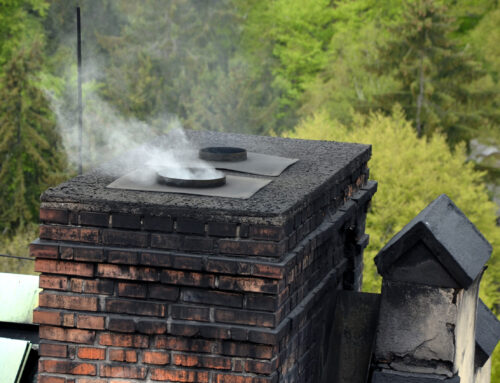
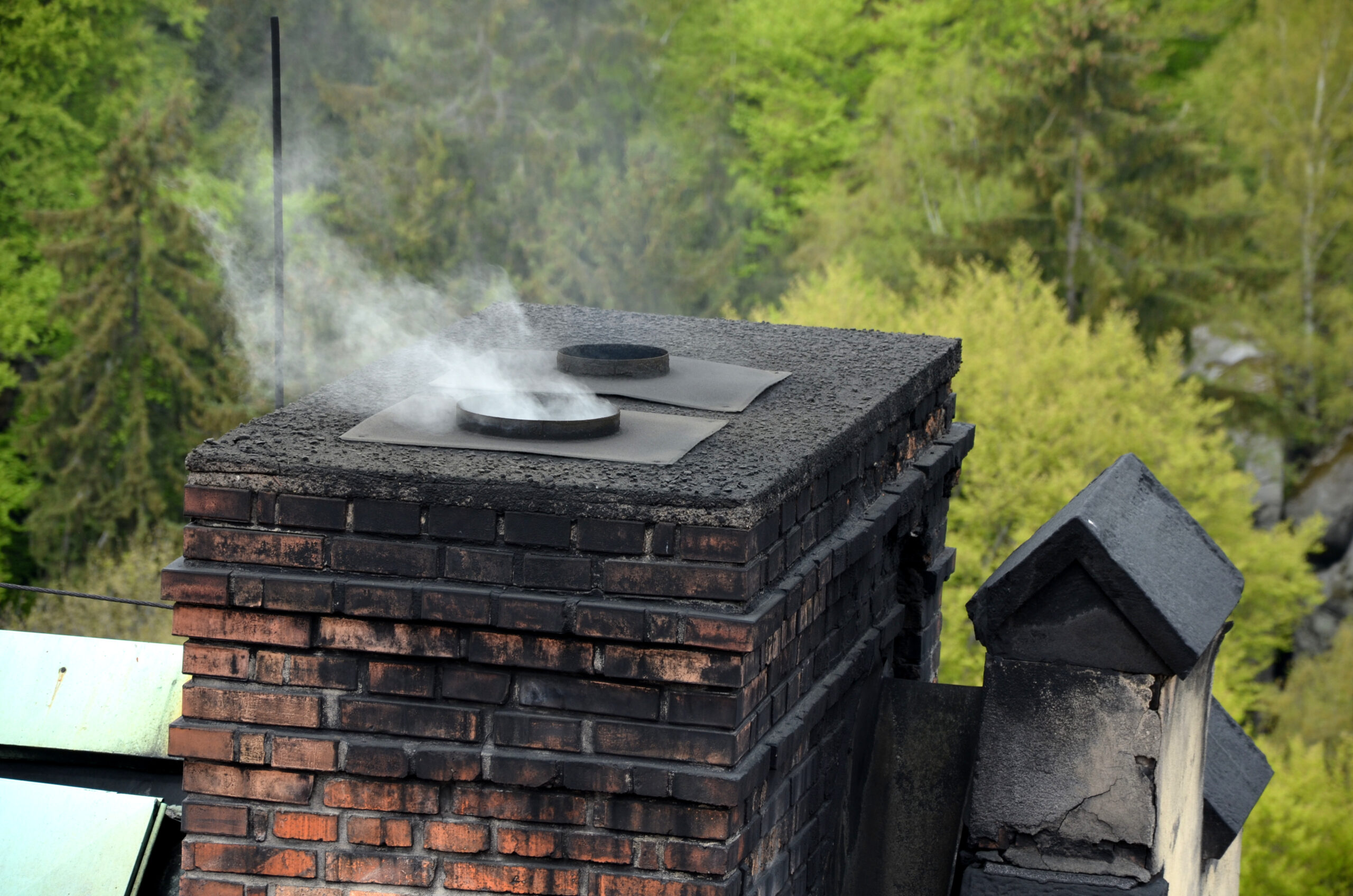
- Look for dark streaks below the cap or on the face of the chimney. These can be creosote wash or rust stains from a damaged cap and liner area.
- Missing or tilted chimney cap invites water and animals. No cap is a common cause of long-term liner problems.
- Cracked or crumbling crown at the top lets water seep around the liner. Freeze-thaw then pushes tiles apart.
- Efflorescence on exterior brick shows water inside the stack. Over time that moisture damages the liner and weakens mortar joints.
- Spalling brick faces or loose mortar joints suggest trapped moisture and heat movement. This often connects to liner gaps.
- For metal factory-built systems, a rusted chase cover or streaks down the siding point to water getting into the flue space.
What These Symptoms Often Mean
Each clue can have more than one cause, but patterns help pinpoint the problem.
- Smoke spilling into the room at startup often means a cold or cracked liner that is leaking air, a blockage, or a sizing mismatch.
- Odor after rain suggests creosote is damp inside a split or leaky liner.
- Clay tile bits in the firebox almost always mean cracked or broken clay flue tiles.
- Rust on dampers and doors points to water entering from the top or through liner gaps.
- White powder on brick shows water movement in the stack, which worsens liner cracks over time.
- Sooty gas logs or foggy fireplace glass can point to a liner that is wrong for the appliance or a venting restriction.
Common Causes of Chimney Liner Problems
Knowing what causes damage helps you plan the right fix.
- Age and wear. Clay tiles can crack as mortar joints break down and as the chimney settles.
- Chimney fires. Even a quick flare-up can shock clay tiles or warp thin metal liners.
- Moisture and freeze-thaw. Rain and snow that enter from a missing cap or bad crown expand and contract inside the chimney and the liner.
- Acidic condensate. Gas and oil appliances make moisture that can be acidic. Without the right liner, that condensate eats metal and mortar.
- Wrong liner size. An undersized or oversized liner hurts draft and raises heat stress or soot buildup.
- Poor installation. Loose joints, gaps, or no insulation can shorten a liner’s life.
- Storm or seismic movement. High winds and minor shaking can crack brittle clay tiles.
Why You Should Not Ignore a Failing Liner
Using a fireplace or gas log set with a damaged liner is risky.
- Fire spread. Gaps let flames or embers reach wood framing or attic spaces.
- Carbon monoxide. CO can escape through cracks and re-enter the living space.
- Masonry damage. Water and acids break down mortar joints and bricks, leading to costly rebuilds.
- Lower efficiency. Poor draft wastes heat and increases smoke and odors.
DIY Moves To Avoid
Some quick fixes can make things worse.
- Do not shove tools or brushes up the flue from the firebox. You can loosen tiles and create a bigger gap.
- Skip chemical creosote add-ons as a fix. These do not repair cracks or seal gaps.
- Do not use pressure washers on masonry. Water can flood the flue and damage the liner and insulation.
- Do not seal visible cracks with household caulk. Chimney liners need high-temp, code-approved materials.
When To Call a Professional
Call a certified sweep like Elite Chimney if you notice any of the following:
- Clay tile chips or metal flakes in the firebox.
- Strong odor that gets worse in warm or wet weather.
- Smoke backup into the room during normal use.
- Water stains, rust, or white powder on or near the chimney.
- Animal noises or nests suspected in the flue.
- You are buying or selling a home with a fireplace or gas appliance.
- After a storm, a chimney fire, or any event that shook the chimney.
How Elite Chimney Finds and Fixes Liner Issues
Certified Inspections That Do Not Waste Your Money
Elite Chimney is a Certified Chimney Sweep serving Southeastern Wisconsin and Northeastern Illinois. We follow industry standards and keep overhead low so you get expert service at a fair price. Our inspections are detailed and focused on safety, not upselling. We offer Level 1 inspections for routine maintenance and Level 2 video scans when there has been a change in the system, a property sale, or a known event like a chimney fire. A Level 2 includes a camera view of the flue so you can see tile gaps, cracks, and corrosion that the eye cannot catch from the firebox. We provide a written report with photos and clear recommendations.
Repair and Relining Options
Once we confirm chimney liner problems, we match the fix to your system and fuel type.
- Stainless steel relining. For many homes, a stainless steel liner is the best long-term solution. It resists heat and acids and can be insulated for better draft and safety.
- Insulated liners for gas or wood. Insulation helps keep flue gases hot, which boosts draft and reduces condensation that can corrode metal or soak mortar.
- Smoke chamber repair. We can smooth and seal the smoke chamber above the damper to support safe venting alongside a new liner.
- Chimney caps and top-sealing dampers. These keep out water, animals, and debris, which protects your new liner.
- Leak repairs. We fix crowns, flashing, and masonry that feed water into the flue space.
- Gas log and gas fireplace service. We make sure the appliance, liner, and venting are matched and safe.
Why Homeowners Choose Elite Chimney
Elite Chimney LLC is based in Kenosha, Wisconsin. Our certified team focuses on safety, clear communication, and quality results. We respect your home, arrive on time, and keep costs reasonable by avoiding unnecessary overhead. From cleaning to full relining, our goal is your peace of mind.
How To Prepare for a Visit From Elite Chimney
A little prep makes your appointment smooth and efficient.
- Do not use your fireplace or gas logs for at least 24 hours before service.
- Move furniture and decor at least six feet from the hearth.
- Set pets in another room during the visit.
- Have the make and model of any gas appliance handy if you know it.
- Share any past reports, photos, or known events like a chimney fire.
FAQs About Chimney Liner Problems
- How often should I have my chimney inspected? At least once a year, and after any major event such as a storm or a known chimney fire.
- Can I still use the fireplace if I see tile chips? No. Stop using it and schedule an inspection. Loose or cracked tiles can allow heat to reach framing.
- Do gas fireplaces need liners? Yes. Gas produces moisture and acids that can damage masonry and metal. The liner must match the appliance and venting rules.
- How long does a stainless steel liner last? With correct installation and regular maintenance, many last decades. Moisture control and a cap are key.
- What affects the cost of relining? Chimney height, diameter, fuel type, need for insulation, and extra repairs like crown or flashing work.
- How long does an inspection take? Many Level 1 inspections take about an hour. A Level 2 with a camera scan can take longer, based on access and findings.
Service Areas We Proudly Cover
Elite Chimney serves homeowners across Southeastern Wisconsin and Northeastern Illinois. In Wisconsin we serve Kenosha County, including Kenosha, Pleasant Prairie, Bristol, Salem, and nearby communities. In Racine County we serve Racine, Mount Pleasant, Waterford, and more. In Illinois we cover Lake County, including Zion, Waukegan, Gurnee, Lake Forest, Highland Park, Libertyville, and surrounding cities. If you are in these areas and think you might have chimney liner problems, our certified team can help fast.
A Simple Checklist You Can Do This Week
- Test draft with a small piece of lit newspaper at the open damper.
- Shine a flashlight into the firebox and on the smoke shelf. Look for tile chips, heavy soot, or rust.
- Smell for strong creosote odors after rain or on warm days.
- Check the damper and doors for rust or sticky movement.
- Walk outside and scan the chimney from the ground. Look for a missing cap, cracked crown, stains, or spalling brick.
- Make sure your CO detectors have fresh batteries and sound correctly.
- If any red flags appear, stop using the fireplace and call Elite Chimney.
Why Act Now Instead of Later
Minor chimney liner problems do not stay minor. Water and heat make small cracks grow. Odors get stronger. Draft gets weaker. Waiting often turns a simple reline into a larger rebuild. A quick inspection from Elite Chimney gives you the facts today and helps you avoid a bigger bill tomorrow.
About Elite Chimney
Elite Chimney LLC is a professional chimney cleaning and repair company based in Kenosha, Wisconsin. We provide cleaning, inspection, chimney liners, leak repairs, chimney caps and dampers, rebuilding, gas fireplaces and gas log sets, and fireplace refacing. Our certified chimney sweeps follow high industry standards for safety and quality. We keep prices competitive by cutting unnecessary costs and focusing on what matters most. If you have chimney liner problems, we are ready with clear options that match your home and budget.
Contact Elite Chimney
Ready to schedule an inspection or ask a question about your liner? Call Elite Chimney at 262-358-4010. Email us at contact@elite-chimney.com. Visit us online at https://elite-chimney.com. Address: 2100 82nd Street, Kenosha, WI 53143. We are here to help you protect your home and enjoy a safe, efficient fireplace.
Final Word
You do not need to take anything apart to catch many chimney liner problems early. Trust your senses, look for the signs listed here, and keep safety first. When in doubt, stop using the fireplace and bring in a certified pro. Elite Chimney will give you a thorough inspection, a clear report, and expert repairs that stand up to Wisconsin and Illinois weather. Your home and family are worth it.